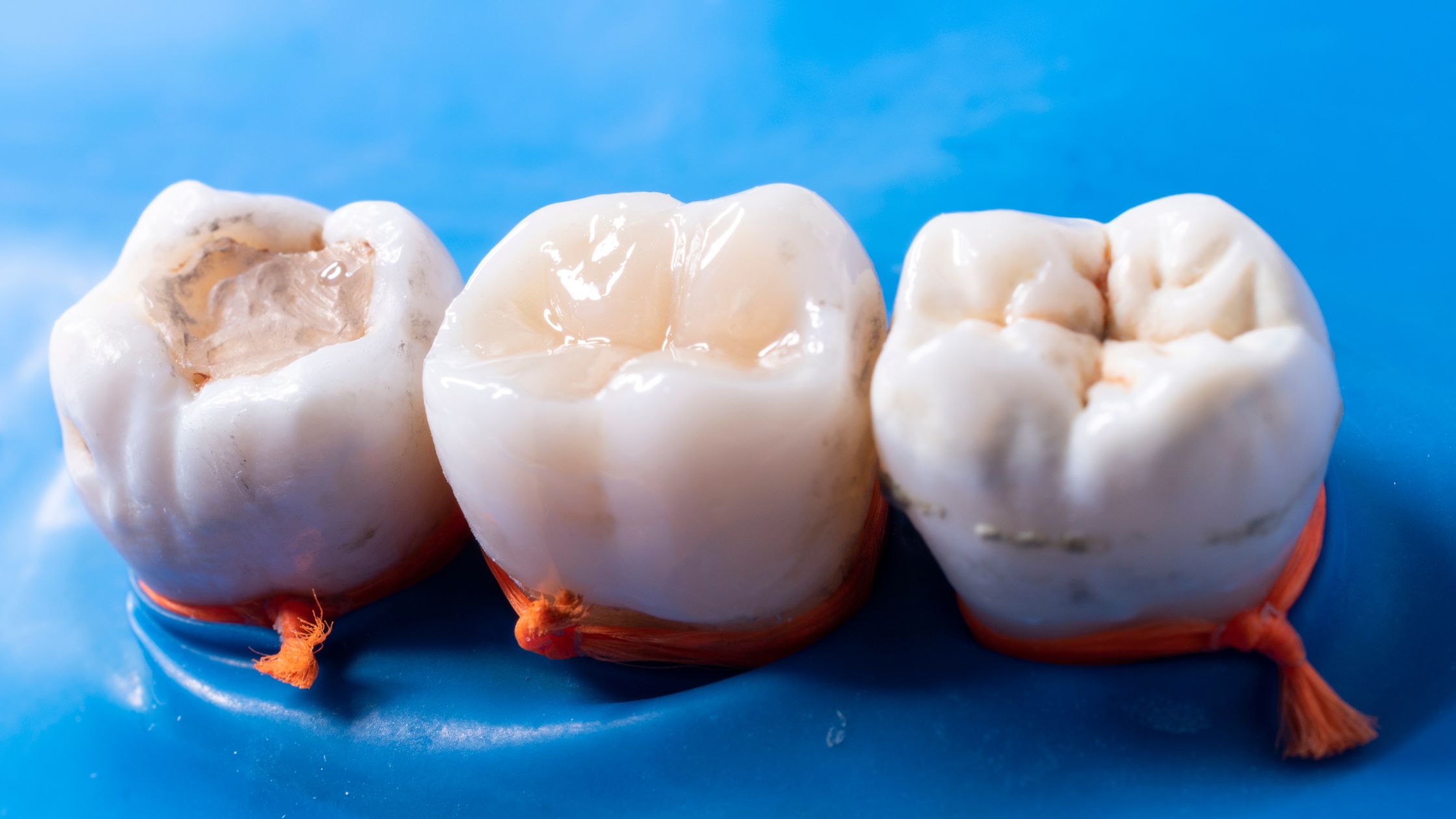



Have you ever noticed your teeth looking more yellow than they used to, feeling extra sensitive, or appearing slightly worn down at the edges? These changes often happen gradually, which is why many people don’t realize what’s going on until the damage is already done. One common culprit behind these symptoms is tooth erosion.
Tooth erosion occurs when acids wear away the protective enamel layer of your teeth. Unlike cavities, erosion doesn’t involve bacteria—it’s a chemical process. And once enamel is lost, it doesn’t grow back. The good news? Dentists can slow the damage, protect your smile, and restore function if erosion is caught early.
Let’s explore the seven most common causes of tooth erosion—and how modern dentistry helps fix and prevent the damage.
1. Acidic Foods and Drinks
Sodas, sports drinks, citrus fruits, energy drinks, wine, and even flavored sparkling water are highly acidic. Frequent exposure weakens enamel over time, especially if you sip these drinks throughout the day.
How dentists fix it:
Dentists often recommend enamel-strengthening treatments like fluoride applications and remineralizing toothpaste. A trusted parker dentist may also suggest dietary adjustments and protective restorations if erosion is already visible.
2. Acid Reflux and GERD
Stomach acid is far more corrosive than food-based acids. People with acid reflux or GERD often experience erosion on the inner surfaces of their teeth, sometimes without realizing the cause.
How dentists fix it:
Dentists focus on protecting vulnerable areas with dental bonding or custom night guards. They’ll also coordinate with your physician to manage the underlying condition while preventing further enamel loss.
3. Frequent Snacking or Sipping
Constantly grazing on snacks or sipping acidic beverages keeps your mouth in a low-pH (acidic) state. This doesn’t give saliva enough time to neutralize acids and repair enamel.
How dentists fix it:
Your dentist may suggest spacing meals, increasing water intake, and using protective sealants on at-risk teeth.
4. Dry Mouth (Low Saliva Production)
Saliva plays a critical role in neutralizing acids and washing away harmful substances. Medications, dehydration, stress, and certain health conditions can reduce saliva flow.
How dentists fix it:
Treatment may include saliva substitutes, prescription mouth rinses, and lifestyle recommendations. In more advanced cases, dentists may restore worn enamel surfaces to prevent sensitivity and fractures.
5. Aggressive Brushing or Abrasive Toothpaste
Brushing too hard or using highly abrasive toothpaste can wear away softened enamel—especially if you brush immediately after consuming acidic foods or drinks.
How dentists fix it:
Dentists often recommend switching to a soft-bristled toothbrush, using gentle techniques, and waiting at least 30 minutes after acidic exposure before brushing. If erosion has progressed, bonding or veneers may be recommended to restore shape and strength.
6. Teeth Grinding (Bruxism)
Grinding or clenching your teeth—especially at night—accelerates enamel wear and can worsen erosion caused by acids.
How dentists fix it:
Custom night guards are one of the most effective solutions. A skilled dentist can also smooth rough edges and repair worn surfaces, preventing further damage and discomfort.
7. Environmental or Occupational Exposure
People who work in environments with airborne acids—such as factories, labs, or wineries—may experience erosion due to repeated exposure.
How dentists fix it:
Preventive strategies include protective dental appliances and routine monitoring. Early detection allows dentists to intervene before erosion becomes severe or irreversible.
How Dentists Restore Eroded Teeth
Once enamel is lost, the goal is to protect what remains and restore function. Depending on the severity of erosion, treatment options may include:
- Fluoride and remineralization therapy
- Dental bonding to rebuild worn areas
- Porcelain veneers for aesthetic and functional restoration
- Dental crowns for severely damaged teeth
If you live in Parker and are looking for dental care that goes beyond quick fixes, Castlewood Dental focuses on personalized treatment—because no two smiles (or causes of erosion) are exactly the same. Identifying the root cause is just as important as repairing what you can see.
Can Tooth Erosion Be Prevented?
Absolutely. While enamel can’t regenerate, erosion is highly preventable with the right habits and professional guidance. Regular dental visits allow early detection, which makes treatment simpler and more affordable.
If you’ve noticed sensitivity, changes in tooth color, or rough edges, it may be time to consult a parker dentist who understands both prevention and restoration.
When to Book an Appointment
Tooth erosion doesn’t usually cause sudden pain—but that’s what makes it dangerous. The damage often progresses silently until it affects deeper layers of the tooth.
- Scheduling a professional evaluation can help:
- Identify the cause of erosion
- Stop further enamel loss
- Restore comfort and appearance
- Protect your long-term oral health
For patients in Parker who are looking for a trusted parker dentist, Castlewood Dental offers patient-focused care with comprehensive evaluations and personalized treatment options designed to protect your smile for years to come.