





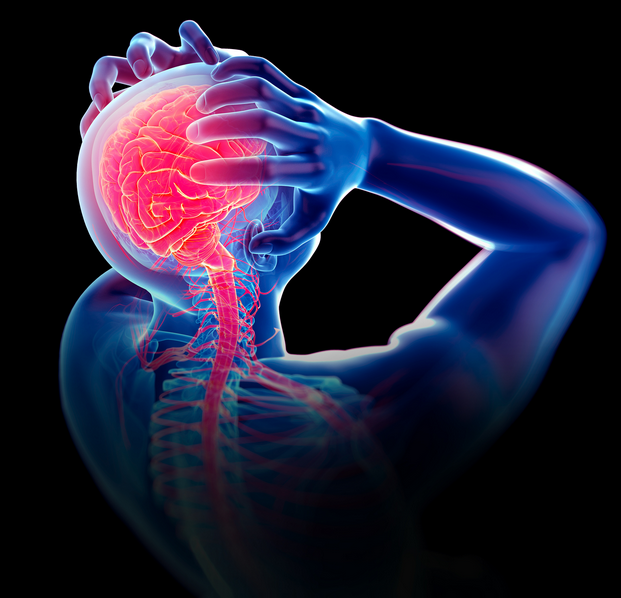
Joint pain is often discussed as a purely physical problem – aching knees, stiff hips, sore shoulders or swollen fingers. Across the UK and Europe, millions of people live with joint discomfort caused by arthritis, injury, inflammation, or long-term wear and tear. What is talked about far less is the strong and complex connection between joint pain and mental health.
Increasing research and clinical experience show that joint pain does not only affect mobility; it can also influence mood, motivation, sleep, and emotional wellbeing. Equally, mental health challenges such as stress, anxiety, and depression can intensify how pain is felt and managed. Understanding this two-way relationship is essential for anyone dealing with ongoing joint issues.
This article explores how joint pain and mental health are linked, why the connection matters, and how people across Europe can take a more holistic approach to managing both.
Joint Pain: More Than a Physical Sensation
Pain is not just a signal from damaged tissue. It is processed by the brain and influenced by emotions, thoughts, past experiences, and stress levels. This is why two people with the same joint condition can experience very different levels of pain.
In conditions such as osteoarthritis, rheumatoid arthritis, or chronic joint inflammation, pain often becomes persistent. When pain lasts for months or years, it can affect daily routines, independence, and confidence. Over time, this can place a significant strain on mental health.
How Chronic Joint Pain Affects Mental Wellbeing
Low Mood and Depression
Living with constant discomfort can be emotionally exhausting. Many people in the UK report feeling low, frustrated, or hopeless when joint pain limits activities they once enjoyed, such as walking, gardening, exercising, or socialising.
Loss of independence, reduced work capacity, and ongoing fatigue can all contribute to depressive symptoms. Studies across Europe show that people with chronic joint pain are significantly more likely to experience depression than those without pain.
Anxiety and Fear of Movement
Joint pain often creates uncertainty. People may worry about flare-ups, long-term damage, or losing mobility in the future. This anxiety can lead to fear of movement, where individuals avoid activity in case it worsens their pain.
Unfortunately, avoiding movement often leads to muscle weakness, stiffness, and increased joint instability – which can actually make pain worse, creating a vicious cycle.
Sleep Disturbance
Joint pain commonly interferes with sleep, particularly at night when joints stiffen or ache. Poor sleep is closely linked to irritability, anxiety, low mood, and reduced pain tolerance.
Across Europe, sleep problems are one of the most common complaints among people with joint disorders, further strengthening the pain–mental health connection.
How Mental Health Influences Joint Pain
The relationship between joint pain and mental health works in both directions. Emotional stress can significantly influence how pain is perceived.
Stress and Inflammation
Chronic stress triggers the release of stress hormones such as cortisol. While cortisol is useful in short bursts, prolonged stress can increase inflammation in the body, potentially worsening joint pain and stiffness.
This is particularly relevant for inflammatory conditions like rheumatoid arthritis, where emotional stress is known to trigger flare-ups.
Anxiety and Pain Sensitivity
Anxiety can heighten the brain’s focus on bodily sensations. This increased awareness can make pain feel sharper, more intense, or more constant. In other words, anxiety does not “cause” joint pain, but it can amplify it.
Depression and Reduced Pain Coping
Depression can reduce motivation to engage in helpful behaviours such as exercise, physiotherapy, or social activities. Over time, this withdrawal can lead to physical deconditioning, increased stiffness, and greater pain.
The Brain–Body Pain Loop
Pain, emotions, and behaviour are deeply interconnected.
This is sometimes described as a pain loop:
Joint pain limits activity
Reduced activity affects mood and confidence
Low mood and anxiety increase pain sensitivity
Increased pain leads to further avoidance
Breaking this loop requires addressing both physical and mental aspects of pain, rather than focusing on joints alone.

Social Isolation and Its Impact
Joint pain can quietly lead to social isolation. Turning down invitations, avoiding travel, or struggling with mobility can make people feel disconnected. In the UK and across Europe, social isolation is a known risk factor for depression and anxiety, particularly among older adults.
Feeling misunderstood or dismissed can also affect mental health. Many people with joint pain report feeling that others underestimate their discomfort because it is not always visible.
The Role of Mindset in Pain Management
Mindset does not mean “thinking pain away”. Instead, it refers to how individuals interpret and respond to pain.
Helpful approaches include:
Understanding that movement is often safe and beneficial
Recognising flare-ups as temporary, not failures
Setting realistic expectations and goals
Focusing on what can be controlled, rather than what cannot
Research shows that people who feel more confident and informed about their condition often report better pain outcomes and quality of life.
Practical Strategies to Support Both Joints and Mental Health
Stay Gently Active
Regular, low-impact movement such as walking, swimming, cycling, or strength training supports joint health and improves mood through the release of endorphins. Even short, consistent activity can make a difference.
Address Stress Levels
Mindfulness, breathing exercises, yoga, and relaxation techniques can help regulate the nervous system and reduce stress-related pain amplification.
Prioritise Sleep
Improving sleep routines supports emotional resilience and pain tolerance. Simple steps like consistent bedtimes, supportive pillows, and gentle evening stretches can help.
Talk About It
Sharing experiences with friends, family, support groups, or healthcare professionals reduces emotional burden. In the UK, many charities and community groups offer support for people living with joint conditions.
Seek Integrated Care
Physiotherapy, pain management programmes, and psychological support can work together. Cognitive behavioural therapy (CBT), for example, is widely used across Europe to help people manage chronic pain more effectively.
When to Seek Professional Help
If joint pain is affecting mood, sleep, or daily functioning, it is important to speak to a GP or healthcare professional. Mental health support is not a sign of weakness; it is a valuable part of comprehensive pain care.
Equally, if anxiety or low mood seems to worsen pain significantly, addressing mental wellbeing may lead to meaningful physical improvements.
A More Holistic View of Joint Health
Joint pain is not “all in the mind”, but neither is it only in the joints. The connection between physical discomfort and mental wellbeing is real, powerful, and increasingly recognised across the UK and Europe.
By acknowledging this link, people can move away from frustration and self-blame towards a more compassionate and effective approach. Supporting mental health alongside physical care does not just improve mood – it can genuinely change how pain is experienced and managed.
Read more- Health and Wellbeing Education: Building Knowledge, Resilience and Healthier Lives Across Europe



The Brain and Memory: How Pills Can HelpMemory loss, or the inability to remember past events, is one of the most common problems among people today.
People often struggle with memory loss because it's often difficult to know which pill to take.
This blog article discusses how memory pills can help you overcome certain situations in your life.How Pills Can Help MemoryThere are two types of pills that can help memory, so what are they?
The first one is a nootropic, which refers to a type of cognitive drug used in the treatment of various conditions.
These drugs generally aim to improve mental performance and reduce symptoms associated with neurodegenerative diseases.
The second type is a stimulant drug that increases alertness, focus, and productivity.How to Improve Memory As an AdultIt is never too late to begin improving your memory.