

7. Managing Stress and the Mind–Body Connection
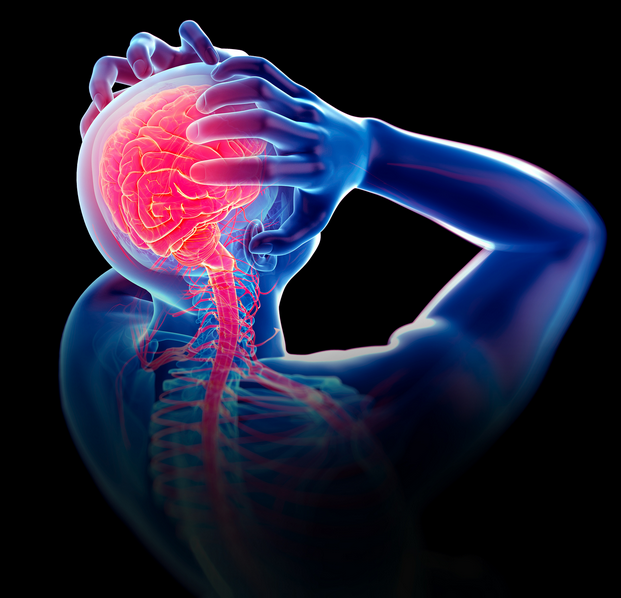
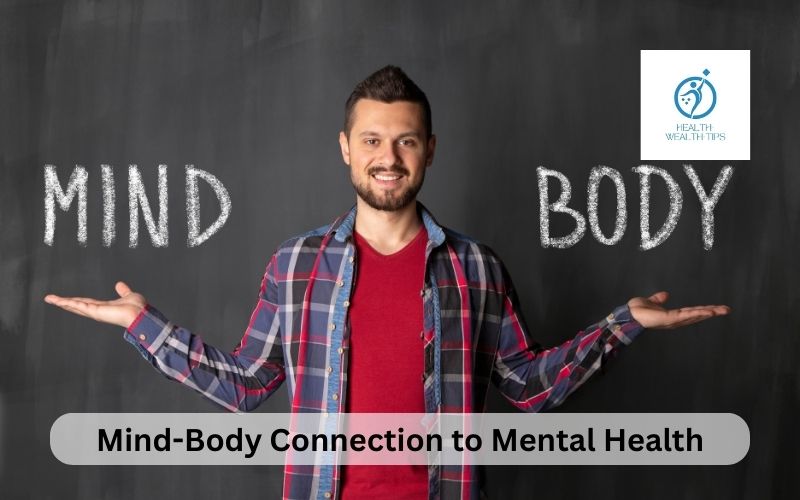
Chronic stress does not just affect mental wellbeing—it can amplify physical pain. Stress hormones increase inflammation and heighten pain sensitivity, making joint discomfort feel worse.
Non-medicated stress management techniques include:
• Breathing exercises
• Mindfulness or meditation
• Gentle stretching before bed
• Spending time outdoors
Reducing stress often leads to noticeable improvements in pain perception, even when the underlying joint issue remains unchanged.
________________________________________
8. Sleep Quality and Recovery
Poor sleep disrupts the body’s natural repair processes and lowers pain tolerance. People with joint pain often experience a cycle where pain disrupts sleep, and lack of sleep worsens pain.
Improving sleep without medication may involve:
• Consistent bedtimes
• Reducing screen use before bed
• Supportive pillows and mattresses
• Gentle evening stretches
Many UK sleep specialists recognise sleep as a cornerstone of pain management.
________________________________________
9. Supportive Aids and Footwear
Sometimes small physical supports make a big difference. Joint braces, orthotic insoles, or supportive shoes can reduce strain and improve alignment.
Good footwear is particularly important for knee, hip, and back pain. Shoes with cushioning, proper arch support, and a stable sole help absorb impact during daily walking.
________________________________________
10. When Professional Guidance Is Helpful
Managing joint pain without medication does not mean managing it alone. Non-drug professionals play a vital role, including:
• Physiotherapists
• Osteopaths
• Podiatrists
• Occupational therapists
These professionals focus on movement, mechanics, and function rather than prescriptions, aligning well with a medication-free approach.
________________________________________
A Sustainable Path Forward
Managing joint pain without medication is not about avoiding medical care—it’s about empowering the body to heal and function more effectively. Through movement, posture, nutrition, stress management, and everyday habits, many people across Europe successfully reduce pain and regain confidence in their joints.
Progress may be gradual, but consistency matters more than speed. With the right strategies in place, joint pain does not have to control daily life—and medication does not have to be the first or only option.