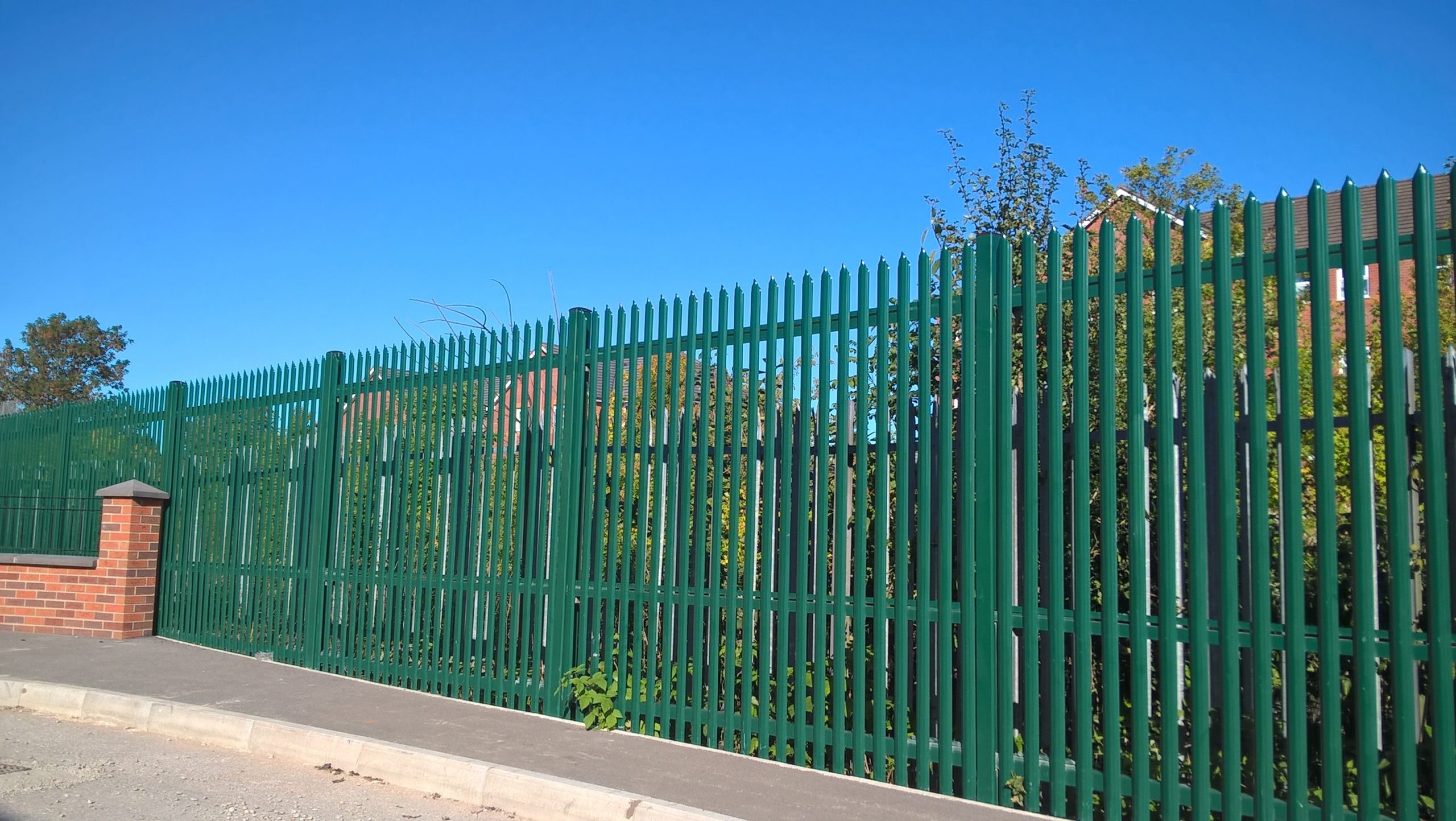
Modern commercial and government facilities require layered security strategies to manage risk, monitor activity, and protect critical assets. Physical barriers remain the foundation of perimeter protection, but their effectiveness increases significantly when combined with technology. A palisade fence provides an ideal structural framework for integrating surveillance systems, allowing organisations to strengthen security oversight without compromising operational efficiency.

The Role of Integrated Security in Commercial Environments
Large-scale facilities such as logistics hubs, transport infrastructure, education campuses, and government sites face constant challenges related to unauthorised access and asset protection. While fencing establishes a clear physical boundary, surveillance systems enable real-time monitoring, incident recording, and rapid response. When these elements are designed to work together, they form a cohesive perimeter security solution.
Why Palisade Fencing Supports Surveillance Integration
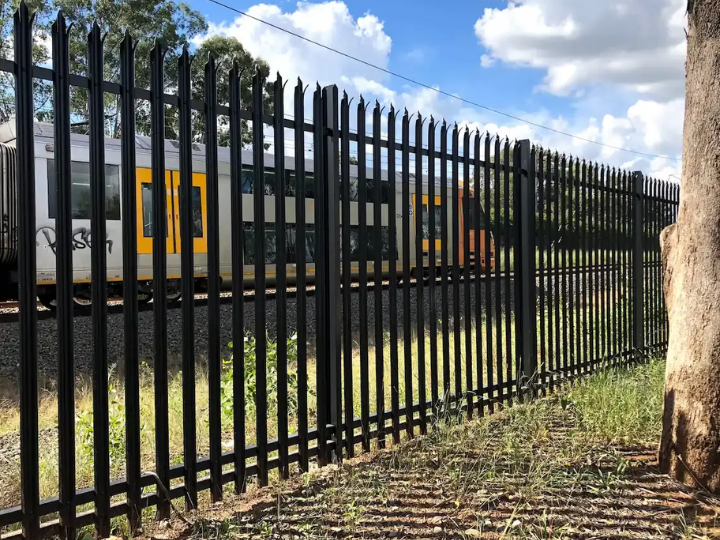
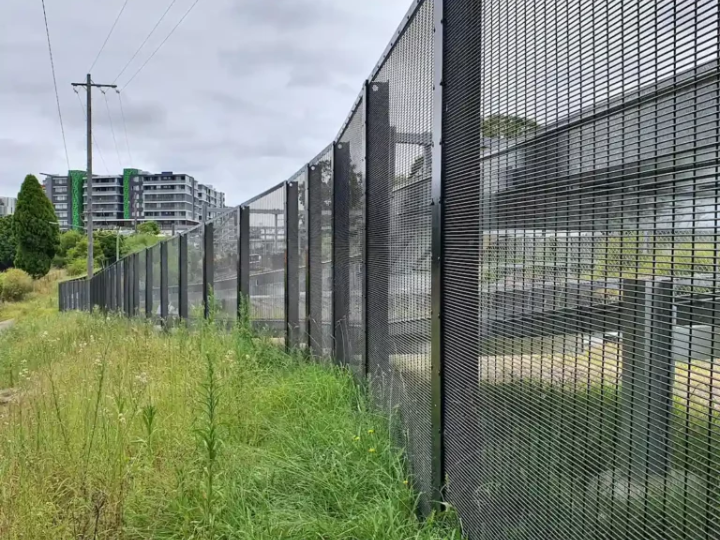
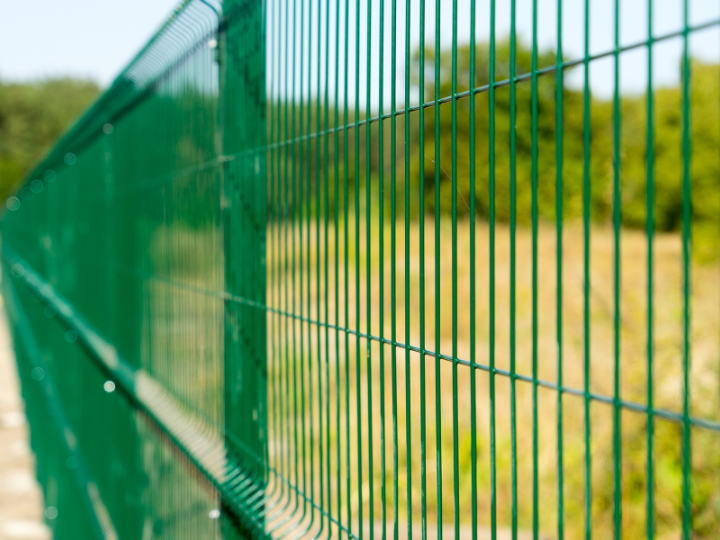
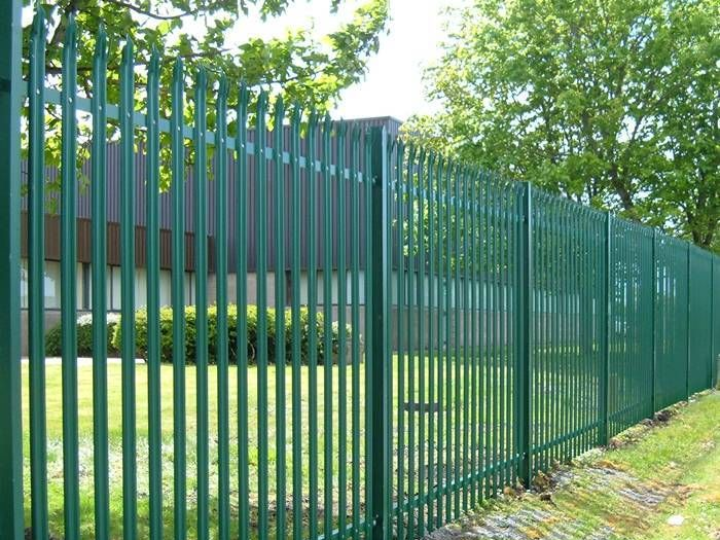
Palisade fencing is particularly well suited to surveillance integration due to its open design. Unlike solid barriers, its vertical steel pales allow clear sightlines across the perimeter. This visibility reduces blind spots and enables cameras to capture unobstructed footage, improving detection accuracy and situational awareness.
Clear Sightlines for Camera Coverage
One of the key advantages of palisade fencing is its ability to support consistent camera coverage. Surveillance equipment can be positioned to monitor both sides of the fence line, reducing gaps in coverage and improving overall perimeter visibility. This is especially valuable for facilities operating across large or complex sites.
Strategic Placement of Surveillance Equipment
Effective integration requires careful planning of camera placement, lighting, and monitoring zones. Surveillance systems can be mounted on adjacent structures, dedicated poles, or nearby infrastructure to align with fencing layouts. This strategic positioning enhances detection capabilities while minimising interference with daily operations.
Supporting Motion Detection and Monitoring Technologies
Palisade fencing works well alongside motion sensors, thermal imaging, and alarm systems. The spacing between pales allows advanced technologies to detect movement accurately without constant false alerts caused by wind or environmental factors. This reliability is essential in high-security and high-traffic environments.
Enhancing Deterrence Through Visibility
Visible surveillance systems reinforce the deterrent effect of perimeter fencing. When cameras are clearly observable along a secure boundary, they discourage unauthorised access attempts before they occur. From a risk management perspective, this proactive deterrence reduces incident frequency and security response costs.
Integration with Access Control Systems
Surveillance integration becomes even more effective when combined with controlled entry points. Cameras positioned near gates and access zones allow operators to verify credentials, monitor vehicle movements, and maintain audit trails. This coordinated approach supports compliance requirements and strengthens accountability across government and commercial sites.
Long-Term Operational Benefits
Integrating surveillance with palisade fencing offers long-term value beyond immediate security needs. Centralised monitoring reduces reliance on manual patrols, improves incident reporting accuracy, and supports future upgrades as technology evolves. For organisations managing multiple sites, this scalable approach ensures consistent security standards across locations.
A well-designed perimeter security strategy combines physical strength with intelligent monitoring. By enabling clear visibility, reliable equipment placement, and seamless integration with modern surveillance systems, a palisade fence plays a vital role in protecting commercial and government facilities while supporting efficient, long-term security operations.
Frequently Asked Questions
How does palisade fencing support surveillance system visibility?
Its open design allows cameras to maintain clear sightlines along the perimeter, reducing blind spots.
Can palisade fencing work with motion detection systems?
Yes, it integrates effectively with motion sensors and monitoring technologies used in secure facilities.
Is palisade fencing suitable for monitored government sites?
It is commonly used in government environments where surveillance and access control are required.
How does surveillance integration improve perimeter security?
It enables real-time monitoring, faster response times, and improved incident documentation.
Can palisade fencing be combined with access-controlled gates?
Yes, it works seamlessly with controlled entry points and camera-monitored access zones.