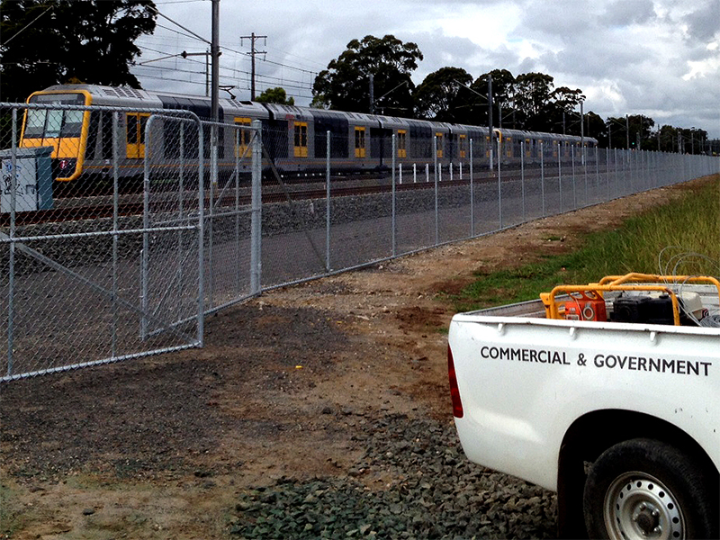
Rail corridors are among the most regulated and high risk environments in Australia. For organisations operating within these zones, riw fencing plays a critical role in maintaining safety, compliance, and operational continuity. Government bodies, construction contractors, logistics operators, and education providers located near active rail lines must ensure their perimeter systems meet strict transport authority standards and risk management obligations.
In rail infrastructure projects, fencing is not a simple boundary solution. It is a controlled safety barrier designed to protect the public, secure assets, and prevent unauthorised access to live operational areas.
The Safety Demands of Rail Environments
Rail environments present unique hazards. These include high speed trains, electrified overhead wiring, complex signalling systems, and heavy freight movements. Any breach in perimeter control can lead to serious safety incidents, service disruption, and legal exposure.
Appropriate railway fencing systems are engineered specifically for these conditions. They are designed to resist climbing, cutting, and tampering while maintaining visibility for inspection and surveillance. In high risk zones such as stabling yards, maintenance depots, and freight terminals, fencing must withstand both environmental stress and potential impact.
For government infrastructure projects, compliance with corridor standards is mandatory. Contractors must align with detailed technical specifications covering height, mesh type, post installation depth, and gate hardware.
Compliance with Regulatory Frameworks
Transport authorities across Australia enforce rigorous standards for work carried out within rail corridors. These standards are regularly updated to reflect safety learnings and evolving infrastructure requirements.
Compliance involves more than installing a barrier. It requires:
- Accredited personnel authorised to work in rail corridors
- Documented safety management systems
- Approved materials and fixings
- Inspection and sign off procedures
Failure to comply can result in rejected works, project delays, or financial penalties. For commercial clients managing large scale construction or logistics hubs, this can significantly impact operational schedules.
By implementing approved railway fencing systems, organisations demonstrate a commitment to duty of care and regulatory accountability.
Approved Fencing Systems for Rail Projects
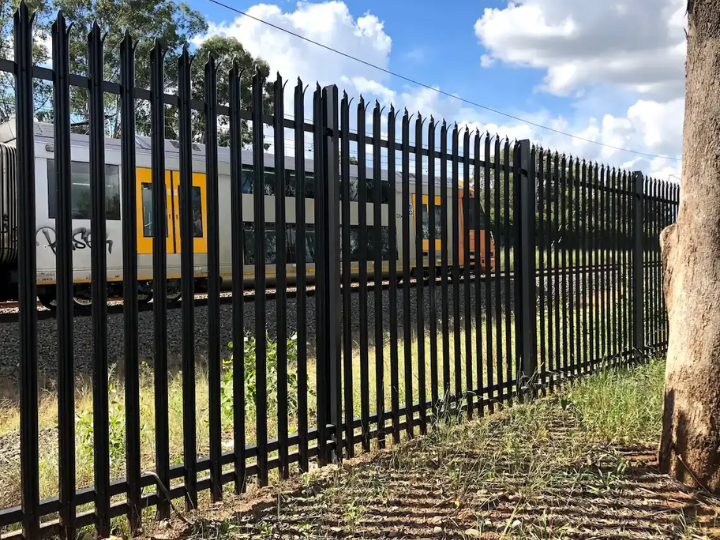
Rail authorities commonly specify high security fencing systems that align with risk levels and site conditions. One frequently used solution is palisade fencing, particularly in areas requiring a strong visual deterrent and robust physical barrier.
Palisade fencing is valued for its durability and anti intrusion properties. Its vertical steel pales and secure fixing methods create an effective perimeter for rail depots, substations, and freight handling facilities.
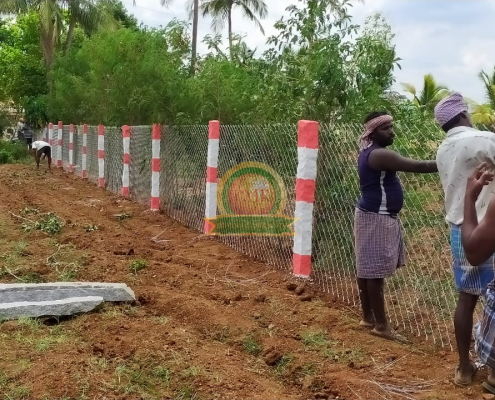
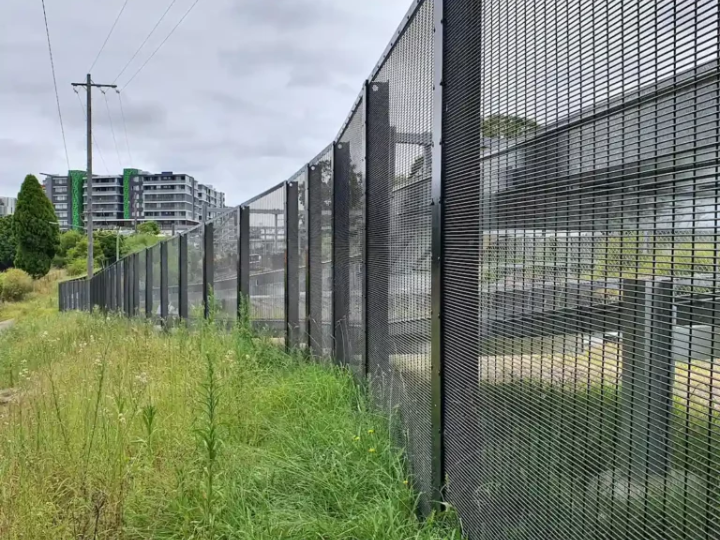
Other systems may incorporate anti climb mesh or reinforced chainwire, depending on site requirements. The key consideration is that the fencing system must meet corridor specifications and be installed to precise technical standards.
Protecting Critical Infrastructure and Operations
Rail networks form the backbone of Australia’s passenger and freight transport systems. Disruption to these networks can have widespread economic consequences.
Effective perimeter control reduces risks such as:
- Trespass and vandalism
- Interference with signalling equipment
- Theft of materials or assets
- Accidental entry into live rail zones
For logistics operators, secure boundaries help maintain uninterrupted supply chains. For education facilities located near rail corridors, compliant fencing safeguards students and staff. Government infrastructure projects rely on secure perimeters to protect high value assets and ensure public confidence.
In each case, the integrity of the fencing system directly supports safe and efficient operations.
Long Term Performance and Maintenance
Durability is a core requirement in rail environments. Fencing must withstand vibration from passing trains, exposure to harsh weather, and potential mechanical impact.
Routine inspections and maintenance are essential to ensure continued compliance. Even minor damage can compromise security and create safety risks. A proactive maintenance program supports asset longevity and reduces liability exposure for project stakeholders.
Selecting a contractor with demonstrated experience in regulated rail environments further strengthens compliance outcomes and long term performance.
Rail safety and regulatory compliance demand more than standard perimeter solutions. Organisations operating in construction, logistics, government infrastructure, and education sectors must prioritise secure, compliant installations that align with transport authority standards. From approved materials to accredited installation practices, every element must meet strict corridor requirements. By investing in professionally delivered riw fencing, stakeholders protect people, infrastructure, and operational continuity while meeting their legal and governance obligations.
Frequently Asked Questions
1. What is riw fencing in rail projects
Riw fencing refers to compliant fencing installed within rail corridors by accredited personnel to meet safety and regulatory standards.
2. How does railway fencing improve rail safety
Railway fencing restricts unauthorised access, protects infrastructure, and reduces the risk of accidents in active rail environments.
3. Where is palisade fencing used in rail infrastructure
Palisade fencing is commonly installed in depots, substations, and freight yards where strong physical deterrence is required.
4. Is railway fencing mandatory for government rail projects
Yes, government rail projects must comply with transport authority standards that specify approved railway fencing systems.
5. What sectors benefit from compliant riw fencing
Construction, logistics, government infrastructure, and education facilities near rail corridors all benefit from compliant riw fencing solutions.
Let Fencing Quotes Online, help you with Fencing Types, by getting you a Fencing Quote within minutes of contacting us.
Jims Fencing and Temporary Fence Bunnings.
Fencing Contractors can be very hard to deal with, waiting for them to turn up and do a simple fencing quote, we have designed a system where it takes out all of the hassle for you, the customer!https://www.fencingquotesonline.com.au/fencing-types/#fencingcontractorsmelbounre #fencingcontractors #jimsfencing #fencingmelbounre #timberfencingmelbourne #colourbondfencemelbounre #fencingcontractorsnearme #colorbondfencingcost #fencingquotesonlineaustralia #timberpoolfencing #colorbondgatebunnings #fencesheetsbunnings #bunningspoolfencing #colourbondfencing #timberslatsbunnings #timberscreeningpanels