


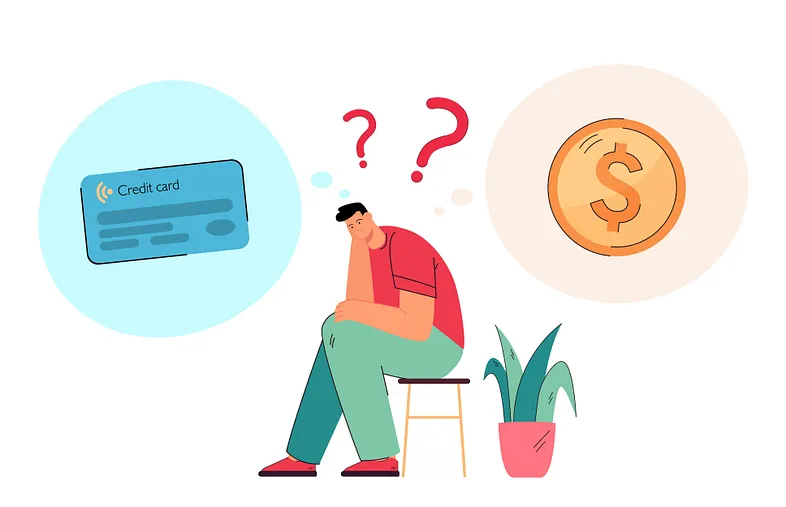
Getting a loan when you have bad credit can feel scary and confusing. You might ask yourself: Will anyone approve me? What are lenders looking for? Why do some people get approved while others don't? These are all normal questions, and understanding the answers can help you feel more confident when applying.
In Australia, lenders follow strict rules set by ASIC (Australian Securities and Investments Commission). These rules protect you from getting loans you cannot afford to repay. They make sure lenders check your situation properly before saying yes to your application.
When you have bad credit, lenders don't just look at your credit score and reject you. Good lenders dig deeper. They want to see your full picture-how much you earn now, what you spend money on, and whether you can pay back the loan without struggling. This helps both you and the lender. You avoid debt problems, and they reduce their risk.
This blog explains exactly what lenders look at when you apply bad credit loan. We'll cover what bad credit means, how lenders review your income and expenses, why your bank statements matter, and how offering collateral can change things. By the end, you'll understand the process and feel better prepared to apply.
Knowing what happens behind the scenes gives you power. You can prepare better documents, fix problems before applying, and choose lenders who treat you fairly. Let's get started.
What Bad Credit Means and How Lenders Interpret Your Credit Report
Bad credit means your credit score is lower than average. In Australia, credit scores range from 0 to 1,000 or 1,200. Scores below 500 usually count as bad credit, though each lender has different rules about what they accept.
Several things can hurt your credit score. Missing payments on bills, credit cards, or loans creates black marks on your report. If you don't pay something for 60 days or more, it becomes a default. Defaults stay on your credit file for five years. Court judgments for unpaid debts also damage your score badly. Even applying for credit too many times in a short period can lower your score because it looks like you're desperate for money.
When lenders check your credit report, they see more than just a number. They look at the details. What caused your bad credit? When did it happen? Have things gotten better since then? These questions matter a lot.
Your credit report shows every credit account you've ever had. It includes credit cards, personal loans, phone bills, and even utility accounts. Lenders can see when you opened each account, how much you owe, and whether you pay on time. They look for patterns. Do you always max out your credit cards? Have you opened lots of new accounts recently? Are you slowly paying down your debts? These patterns tell them about your money habits.
Good lenders care about timing. A default from four years ago is very different from one that happened last month. If you had problems years ago but have paid everything on time since then, that shows improvement. Lenders like to see positive changes in your behaviour.
The type of credit problem also matters. A missed utility bill might mean you had temporary money troubles. Multiple loan defaults suggest bigger problems with managing money. Lenders think about these differences when deciding.
Sometimes credit reports have mistakes. Before you apply for a loan, get your credit report from Equifax, Experian, or illion. Read it carefully. If you find errors, fix them straight away. Correcting mistakes can boost your score and help your application.
Remember, your credit report shows your past. Responsible lenders also focus on your present situation and your ability to pay in the future. Your credit history is just one piece of the puzzle.
How Lenders Review Your Current Income, Expenses, and Financial Stability
Your credit score shows where you've been, but your income and expenses show where you are now. Good lenders care most about your current situation when you have bad credit. ASIC rules say lenders must check that you can repay the loan without serious hardship.
First, lenders verify your income. They don't just take your word for it. They want to see proof. If you're a full-time employee, you'll give them recent payslips and maybe a letter from your employer. Full-time permanent work makes lenders feel most confident because your income is stable and predictable.
If you work casual hours, part-time, or run your own business, lenders ask more questions. They need to know your income will continue while you're repaying the loan. Casual workers often need to show they've worked with the same employer for longer. Self-employed people usually provide tax returns and business records going back months or years.
Lenders calculate your take-home pay—what you actually receive after tax and other deductions. They check the documents you give them carefully. This protects both of you from loans based on wrong information.
Next, lenders check your expenses. They don't just ask what you spend—they verify it. They look at all your debts: credit cards, other loans, car payments, and buy-now-pay-later accounts. Even if you don't owe anything on a credit card right now, lenders know you could spend up to your limit anytime.
Beyond debts, lenders look at everyday living costs. Many use something called the Household Expenditure Measure (HEM). This is a guide that shows typical living costs for different family types across Australia. It covers essentials like food, clothes, transport, healthcare, and bills.
Some lenders compare what you say you spend against HEM figures. If you claim your living costs are much lower than normal, responsible lenders question this. They might increase your expenses in their calculations to make sure the loan is truly affordable.
Lenders also calculate your debt-to-income ratio. This shows what percentage of your income goes to debt payments. If too much of your income already goes to debts (usually over 30-40%), lenders worry. For bad credit applicants, they might be even more careful.
Your job history matters too. Changing jobs often might signal instability. Staying with one employer for years shows reliability. Lenders also like to see savings, even small amounts. Savings prove you manage money well and have a backup for emergencies. This means you're less likely to miss loan payments if something unexpected happens.
Good lenders do thorough checks to protect you. ASIC requires them to ask proper questions about your finances and check your answers. This stops you from getting loans you can't afford, which would make your situation worse.
Why Bank Statement Checks Matter for Bad Credit Loan Applications
Bank statements show lenders how you really manage money every day. Your credit report shows borrowing history, and payslips show income, but bank statements reveal actual behaviour. For bad credit applications, this evidence is extremely valuable.
Responsible lenders usually ask for three to six months of bank statements from your main account. They look for several important things.
First, they confirm your income. Your statements should show regular pay going into your account that matches your payslips. Lenders can see your pay cycle, your employer's name, and the amounts. For self-employed people, statements show real business income coming in, proving the numbers you've claimed are accurate.
Second, they analyse your spending. Statements reveal your true living expenses, not just estimates. Lenders see regular payments for rent, utilities, subscriptions, insurance, groceries, petrol, and entertainment. This makes sure they base decisions on reality.
Gambling shows up on statements and worries lenders. Regular or large gambling suggests money problems and poor decisions. Even occasional gambling can concern lenders if the amounts are big compared to your income. Responsible lenders know gambling can lead to repayment problems.
Bounced payments or overdrafts are red flags. If statements show frequent overdraft fees, rejected direct debits, or insufficient funds charges, lenders worry you're already struggling. These signs suggest you can't manage current commitments, let alone new ones.
Savings habits also count. Lenders like seeing regular savings, even small deposits. This shows discipline and planning. Accounts that always reach zero before payday might mean poor budgeting or that income barely covers expenses.
Lenders track existing debts through statements. They verify credit card payments, loan instalments, and buy-now-pay-later payments. They also spot debts you forgot to mention, making sure they see your complete debt picture.
Your account balance patterns tell a story. Does your balance drop steadily through the month until payday? Do you keep a healthy buffer? Do you get regular transfers from others? These patterns help lenders understand your stability and habits.
Large unexplained deposits raise questions. Lenders need to know if these are real income, gifts, or borrowed money. Money borrowed from family that doesn't show on your credit report still affects what you can afford.
For bad credit applicants, bank statements can actually help you. If your credit report shows old defaults but your statements prove good money management now, this evidence carries weight. Statements prove you've fixed whatever caused past problems.
Good lenders don't judge your lifestyle through statements. They don't care about coffee purchases or streaming subscriptions. They're checking whether you can afford the loan while keeping your current lifestyle without hardship. The goal is safe lending, not controlling your spending.
When you provide statements, give complete, unedited documents. Lenders can tell if pages are missing or changed. Be honest. If statements show concerning items, explain them. Maybe that gambling transaction was a one-time birthday thing, or those bounced payments happened during temporary unemployment that's now over.
Secured vs Unsecured Options: How Collateral Influences Lender Decisions
Whether you offer collateral completely changes how lenders assess bad credit applications. Understanding secured versus unsecured loans helps you apply strategically and know what to expect.
Secured loans require you to pledge something valuable as security. If you can't repay, the lender can take and sell this item to get their money back. Common collateral includes cars (for car loans), property (for home loans), or savings. The item's value must usually meet or exceed the loan amount, though lenders often lend less than full value as protection.
Unsecured loans don't need collateral. Many personal loans work this way. Lenders rely only on your promise to repay and your ability to do so. Without collateral, lenders face higher risk if you don't pay.
For bad credit applicants, this difference hugely affects approval chances and loan conditions. Secured loans offer advantages. First, collateral reduces the lender's risk, making them more willing to approve people with bad credit histories. The asset gives them a way to recover money if you can't pay, so they focus more on the item's value and your current ability to make payments.
Second, secured loans usually have lower interest rates than unsecured ones. Lower risk means better terms. For bad credit borrowers, this can mean the difference between affordable and unaffordable.
Third, secured loans may let you borrow more money. Collateral supports higher amounts than unsecured loans would for bad credit applicants.
However, secured loans are risky for you. If you struggle with payments, you lose your asset. Defaulting on a car loan means losing your car, which you might need for work. Defaulting on a home equity loan puts your house at risk.
Responsible lenders still check carefully whether you can afford payments, even with collateral. ASIC rules apply to all loans. Lenders can't approve loans you can't afford just because collateral exists.
Unsecured bad credit loans face stricter checking. Lenders examine your income, expenses, job stability, and recent money behaviour more closely. They study your credit report carefully. They want strong proof you've fixed past problems and developed better habits.
Some lenders specialize in unsecured bad credit loan. While they accept higher-risk people, responsible ones still check thoroughly. They verify you can repay and won't experience hardship. They might require guarantors, people who agree to repay if you can't. Guarantors act like security, reducing risk.
When choosing between secured and unsecured, think carefully. If you own something suitable and feel confident about repaying, secured loans offer better rates. But if your finances are still uncertain or unstable, risking an important asset might be unwise.
Good lenders guide you toward the best option based on your full situation. They should explain risks and benefits of each and help you understand what you're committing to.
The loan type also determines options. Car loans naturally use the car as security. Home loans require property. Personal loans for debt consolidation, medical bills, or general purposes usually stay unsecured unless you specifically offer security for better terms.
Whether secured or unsecured, responsible lenders assess the same core things: your ability to repay without hardship, your current financial stability, and whether the loan suits your circumstances.
Conclusion
Understanding how responsible lenders assess bad credit loans applications takes away the mystery and stress. The process looks at many factors, all designed to protect you and the lender.
Your credit report matters, but it's not everything. Good lenders such as Quickzy Finance look at the context of past problems, when they happened, and whether you've improved. They focus heavily on your current situation, your income, expenses, job stability, and actual ability to repay without struggling.
Bank statements provide crucial proof of your financial claims and show your money habits. They let lenders confirm income, check expenses, and spot warning signs of financial stress. For bad credit applicants, good banking behaviour can outweigh past credit problems, proving you've developed better financial skills.
If you're considering a bad credit loan, prepare well. Get your credit report and fix mistakes. Gather proof of income and expenses. Review your bank statements like a lender would. Think honestly about whether you can afford payments, considering possible changes to your circumstances.
Bad credit doesn't mean you can never get finance, but it requires working with responsible lenders who check properly. By understanding what lenders examine and why it matters, you can apply with confidence, realistic expectations, and the knowledge to make smart borrowing decisions that support your financial health.


Get online payday loans in Virginia from direct lenders and get instant approval with bad credit or no credit check.
Apply for a short-term loan in VA today!
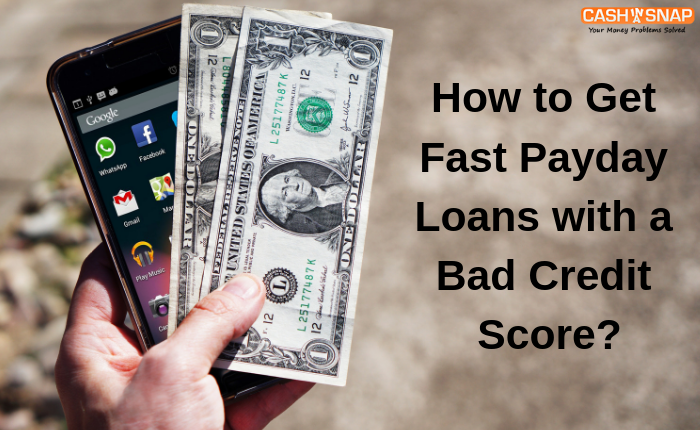
What do you do when you have bad credit and need a quick cash loan?
The answer is usually you can’t get a quick loan with bad credit, but this is not true for most people.
You can get online payday loans even if you have bad credit.
Traditional lenders want you to have a pretty good track record with no defaults and mostly on-time payments.
Banks and even credit unions won’t consider your application if you have had some credit problems in the last several years.
Over here CIS help you to get bad credit payday loans instantly.Loans Using Your AssetsIf you have some assets, for example, a relatively newer car, you can get a quick loan by using it as collateral for a loan.