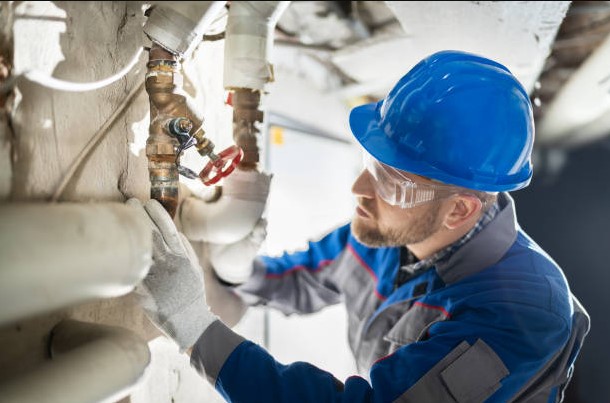
Good health depends on clean and safe drinking water. Although the majority of households use municipal water treatment to guarantee top quality water, the story does not stop there. The plumbing system used to carry drinking water within your house- drinking water pipe and fittings are important in deciding whether the water is healthy enough to drink. Even the safe water can become a source of severe health hazards in case of poor plumbing. For more information on how drinking water plumbing impacts your family’s health, all you have to do is take a quick look at this article.
1. The Plumbing System Is a Critical Barrier to Contamination
After passing through a treatment plant, the water is distributed to your house through the municipal distribution network. However, the last leg, the internal plumbing, is where the water can be re-contaminated in case of poor materials, design, or maintenance. Health principles observe that there are several factors affecting the water quality within the piped water system of a building, which can lead to microbial or chemical contamination, particularly where the plumbing is not well designed, installed, or maintained.
Key points of risk include:
● Improper pipe materials
● Faulty fittings
● Stagnant water areas
● Wastewater cross-connections
All of them can endanger water safety and threaten the occurrence of diseases.
2. Pipe Materials Matter: Health Impacts of Different Drinking Water Pipe and Fittings
The nature of drinking water pipes and fittings utilized may have an influence on the quality of water and the health of the family.
● Lead and Heavy Metals
Pre-existing houses usually have lead pipes, lead-based solder, or trace lead brass fittings. Lead is a neurotoxin and even low amounts may hamper cognitive development in children, lower the learning ability, and even lead to long-term health problems. The other heavy metals, such as copper, iron, or zinc can also find their way to water due to corrosion of piping materials, and this may lead to gastrointestinal, kidney, or liver problems in case of excess.
● Plastic Pipes
A good number of the contemporary houses employ plastic piping that can be either PEX, PVC, or HDPE. These are materials with high resistance to corrosion and are more likely to be safe when used in drinking water. Nevertheless, the low-quality or uncertified plastic pipes may cause organic chemicals to be leached in water after some time, especially when subjected to heat or long stagnation.
● Copper Pipes
Copper is highly preferred because it is long lasting and also has the natural antimicrobial property. It would be useful in containing bacterial growth within pipes. Nonetheless, very acidic water may also result in the copper being washed away into the water supply, which could also irritate the stomach or give the water a metallic taste in case it becomes too high.
Best practice: Certified Pipes and fittings always use certified pipes and fittings specifically designed to be used in potable water.
3. Biofilm and Bacteria: Plumbing as a Habitat
Although the materials of the pipes are safe, improperly set up plumbing may serve as a habitat to microorganisms. Unutilized water in some parts of the system, which is commonly referred to as dead legs, promotes the growth of biofilm. Biofilms are sticky layers of bacteria that attach to the sides of pipes and have the potential to support destructive pathogens.
Bacteria are also able to multiply faster in stagnant water. These microbial risks can be mitigated by having a regular flow of water, a well-designed system, and flushing of taps that are not used frequently to ensure healthier plumbing by drinking water.
4. Cross-Connection and Backflow: Intangible Menaces
Lack of proper linkages between clean water and wastewater systems may bring severe contamination. Backflow can also take place in situations whereby the pressure decreases in the supply line, drawing contaminated water into the drinking system. An example includes the use of submerged hoses, irrigation systems, or incorrectly made plumbing connections where the chemicals, fertilizers, or bacteria can come in contact with the supply of drinking water.
These hidden hazards must be avoided by proper design of plumbing, installation of backflow prevention devices, and plumbing code compliance.
5. Plumbing Care: Plumbing Repairs
Maintenance of even good plumbing systems is necessary. Drinking water lines may be contaminated by outside substances that can find their way in cracked pipes, loose fittings, corrosion, and leaks. The creaking infrastructure poses a great deal of risk as one ages.
Maintenance: This essential maintenance must include:
● Periodic water quality analysis.
● The replacement of the aged or rusted pipes and fittings.
● Placing approved water filtration systems.
● Used to flush taps after a long time without use.
● Assessment of pressure variations that may cause backflow.
These measures can be used to make sure that your drinking water pipe and fittings are safe and reliable.
6. Actual Health Consequences of Plumbing Breakage
Drinking water plumbing has been associated with gastrointestinal disease caused by bacteria and pathogens found their way to the water supply. There is also a chance of chemical contamination due to the aging of pipes, which may cause future health issues, especially among children, pregnant women, and the elderly.
One of the gravest dangers is exposure to lead, and there is no level at which human beings can be safe. The best way of prevention is the total replacement of lead pipes and fittings.
Conclusion
Drinking water plumbing and drinking water pipes and fittings has a direct effect on the health of your family. Safe plumbing is not only a matter of convenience, but it is a matter of health protection that is of the highest priority. You can keep your home clean and avoid infection and disease by using appropriate materials, ensuring that it is installed correctly, so that it does not stagnate or go backward, and that it is maintained to avoid contamination by the surrounding substance. The water should be clean until it is in your tap.
Desoto, Texas Plumbing services are important to repair any water main break, fire hydrant break, clogged or overflowing wastewater main, and to do emergency water shut off.
Plus, the best plumber near me in Desoto will ensure the smooth functioning of your plumbing system.
You needn't worry about your Desoto Plumbing when you have plumbing services near you.
Plumbers near me will ensure you don't have any clogs, leaks and re-install any pipes if required.
Plus, they will install new fixtures too.
Moreover, even your water heater needs will get taken care of with Desoto, Texas- Plumbing services.