

Everything you see on the internet right from a reel on Instagram to a Google search result, and a targeted ad with a discount or an email offering a loyalty reward. These everyday experiences are the quiet reminder of how digital marketing is progressing daily. Every brand is fighting to get attention online, and the people running these digital campaigns are those who understand how online platforms, content, ads, and analytics actually work together.
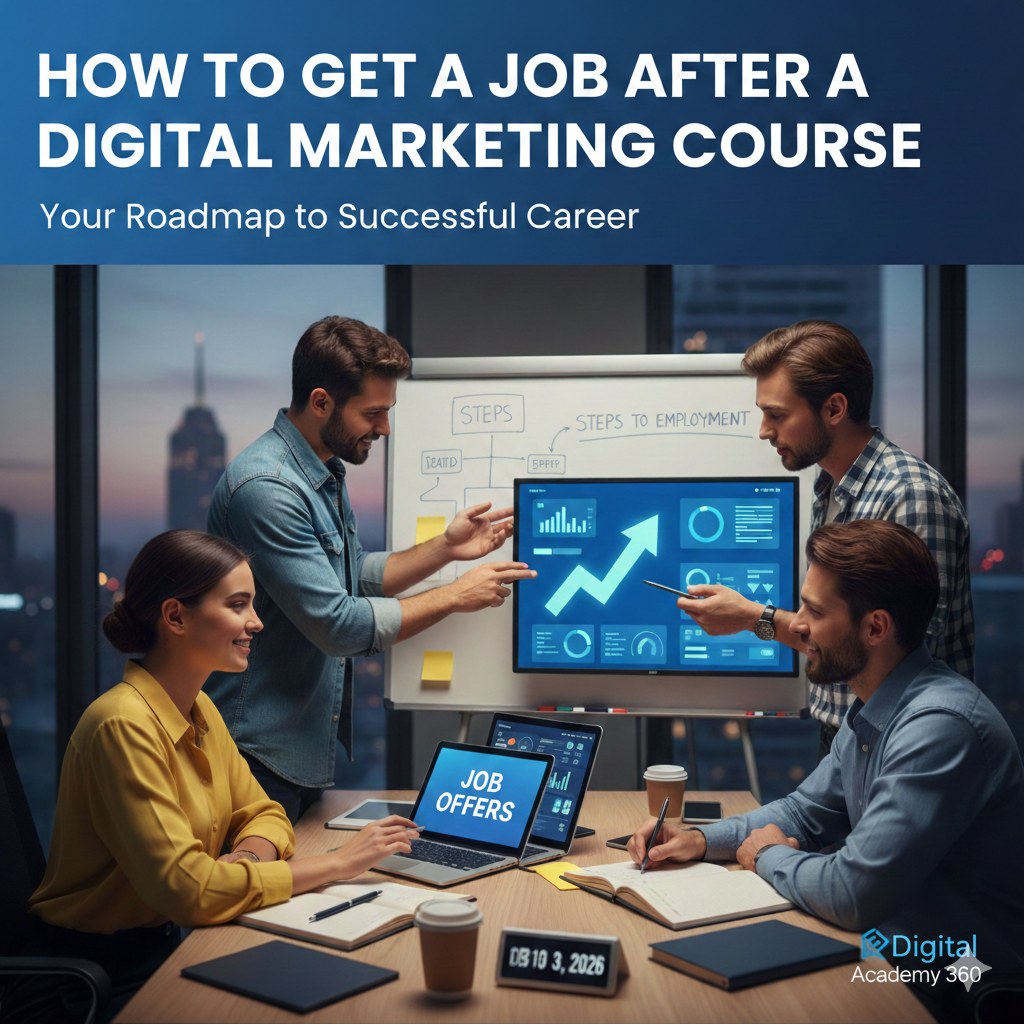
That’s the world you step into after completing a Digital Marketing Course. But the real question begins right after the certification: What should you do next to actually get a job? Skills alone don’t guarantee employment; it’s about how you apply, showcase, and communicate those skills in a competitive Job Industry.
This guide will walk you through everything you need to do after completing your course so you move from “learning” to “earning” with clarity and confidence.
Things to Do After a Digital Marketing Course to Get a Job
Once you finish your Digital Marketing Course, your next steps determine how quickly you enter the industry and how confidently you position yourself for opportunities. Knowledge alone isn’t enough; you need proof of skills, practical exposure, and a strategy that bridges your training with real industry expectations.
Below are the 10 key actions every beginner should prioritise to become job-ready and build a foundation to start their career:
1. Start With Building a Practical Portfolio
Even with the strong conceptual knowledge, companies want proof of execution. A portfolio that demonstrates your ability to apply your learning in real working conditions.
A good portfolio should include:
- SEO audits for small businesses
- Social media strategies you created
- Google Ads mock campaigns
- Content writing samples
- Website or landing page optimizations
- Analytics reports using Google Analytics or Search Console
You don’t need a big client list to start, but you can practice projects that add on to your resume. Recruiters look for clarity of thought, technical understanding, and the ability to drive results.
2. Gain Experience Through Internships or Freelance Work
A certification helps you enter the industry, but hands-on experience boosts your employability.
Short-term working options such as:
- Internships from training institutes
- Freelancing on platforms like Upwork or Fiverr
- Volunteer work for NGOs or small brands
- Running Ad campaigns for friends or local businesses
These experiences help you understand how real campaigns have built budgets, timelines, revisions, analytics, and client expectations over time. It’s also an effective way to add value to your resume, portfolio, and confidence during any hiring process.
3. Choose Your Specialization Early
Digital marketing is broad, and trying to do “everything” can dilute your expertise. Specializing helps you stand out and match with the better paying opportunities.
Popular paths include:
- SEO (Search Engine Optimization)
- Social Media Marketing
- Google Ads and PPC
- Content Writing & Strategy
- Marketing Automation
- Analytics
- Email Marketing
If you’re exploring digital marketing for beginners course options, specialization becomes easier once you understand your strengths and interests. Advanced learners can enrol in digital marketing certification training or specialization modules to refine their expertise.
4. Build a Professional Online Presence
Hiring managers check online profiles before scheduling interviews. Your digital footprint should reflect your credibility.
Start with:
- A complete LinkedIn profile
- Optimized bio and profile picture
- Highlighting your digital marketing course certificate
- Posting insights or work samples weekly
- Connecting with marketers, trainers, and recruiters
A reliable digital presence signals confidence and initiative; these are the traits employers value in freshers.
5. Practice Tools Until You’re Comfortable Using Them
Knowing tools is one thing, but learning to use them effortlessly is what matters.
Polish your skills on:
- Google Ads
- Meta Ads Manager
- SEMrush or Ahrefs
- Canva or Figma
- Google Analytics
- Google Tag Manager
- Mailchimp or other email tools
Many students finish a digital marketing course but hesitate during interviews when asked about tools that they are proficient with. Only Practical familiarity can help you improve your interview performance.
6. Prepare a Resume That Highlights Skills, Not Just Certification
Your resume should reflect what you can do, not only what you have studied.
Key sections include:
- Skills (SEO, PPC, content, analytics)
- Tools you know
- Certifications
- Portfolio links
- Projects with measurable outcomes
Recruiters scan resumes for relevance first, and then for a clear skills-based structure that helps you position better.
7. Apply Smartly, Not Randomly
Many freshers apply to hundreds of positions without any strategy and then feel discouraged when they don’t get any responses from the recruiters.
Instead, follow these steps to get noticed:
- Apply to entry-level roles that match your specialisation
- Target start-ups, agencies, and early-stage businesses
- Personalise your application message
- Keep your portfolio link easily accessible
Agencies, especially, value candidates who can handle multi-platform responsibilities and adapt quickly.
8. Continuously Update Your Knowledge
Digital Marketing is an ever-changing domain. Algorithms shift, platforms update, and consumer behaviour evolves. In such an Industry, employers prefer candidates who stay updated beyond their initial training.
You can stay consistent and update yourself with:
- Webinars
- Google updates
- Short-term workshops
- Advanced digital marketing training programs
- Newsletter subscriptions
- AI tools and analytics-based learning
These habits signal long-term potential to employers, increasing your chances of being hired.
9. Networking: Still One of the Strongest Career Tools
Many digital marketing jobs are filled through referrals or online communities before they ever appear on job portals.
Try to Engage in:
- LinkedIn conversations
- Facebook marketing groups
- Alumni networks
- Events, workshops, and webinars
A simple interaction can open the door to your first job.
10. Choose an Institute That Supports You Until You Get Placed
If you're still deciding where to train, prioritizing institutes that provide consistent placement support is crucial. Programs built with real-world tools, internships, hands-on practice, and mentorship help you transition into the job market faster.
An industry expert institute doesn’t just teach, they will guide you from the very first steps till you get employed.
Conclusion
Completing a Digital Marketing Course is only the starting point. What you do after the course is what matters. Things like creating your portfolio, gaining experience, specializing, preparing for interviews, and staying updated with current trends are what determine how quickly you secure a job.
Digital marketing rewards those who combine skill with consistent practice and a professional online presence. If you're seeking structured learning, hands-on practice, and a 100% Job Guarantee, Digital Academy 360 is the right choice to make.