

A well-designed home makes its case without effort. Movement flows naturally. Walkways remain open. Muted colors and limited decoration still allow the room to feel composed. That sense of balance does not come from ornament. It begins with placement. Indoor furniture placement determines how a home operates before style enters the picture. It shapes movement, signals where people gather or rest, and influences whether a space feels settled or tense.
The arrangement of furniture quietly governs everyday behavior. Decoration introduces personality, but placement controls comfort and durability. Styles change, yet a considered layout continues to perform.
Rooms may appear complete while remaining difficult to live in if decoration leads and placement follow. Shifting that order transforms daily experience.
Flow Comes Before Style
Furniture placement establishes circulation. Every room has invisible pathways that guide movement from one area to another. When those paths remain clear, a space feels intuitive. When they feel blocked, even beautiful rooms feel frustrating.
A sofa placed too close to a doorway interrupts entry. A dining chair that scrapes a wall breaks the rhythm. A coffee table that forces people to sidestep signals discomfort. These moments accumulate throughout the day.
Good placement respects how bodies move naturally. Open walkways, adequate turning space, and consistent transitions allow movement to feel natural. With flow established, decoration serves as refinement rather than repair.
Rooms Reveal Their Purpose Through Placement
Furniture placement expresses intent more clearly than decoration. A reading chair angled toward a window encourages a quiet pause. A dining table centered beneath a light fixture signals gathering. The room explains its purpose without instruction.
A console aligned with an entry wall suggests arrival and departure. When placement lacks clarity, rooms lose identity. Living rooms feel like waiting areas. Bedrooms feel temporary. Dining spaces feel unused. Decoration cannot fix uncertainty about purpose.
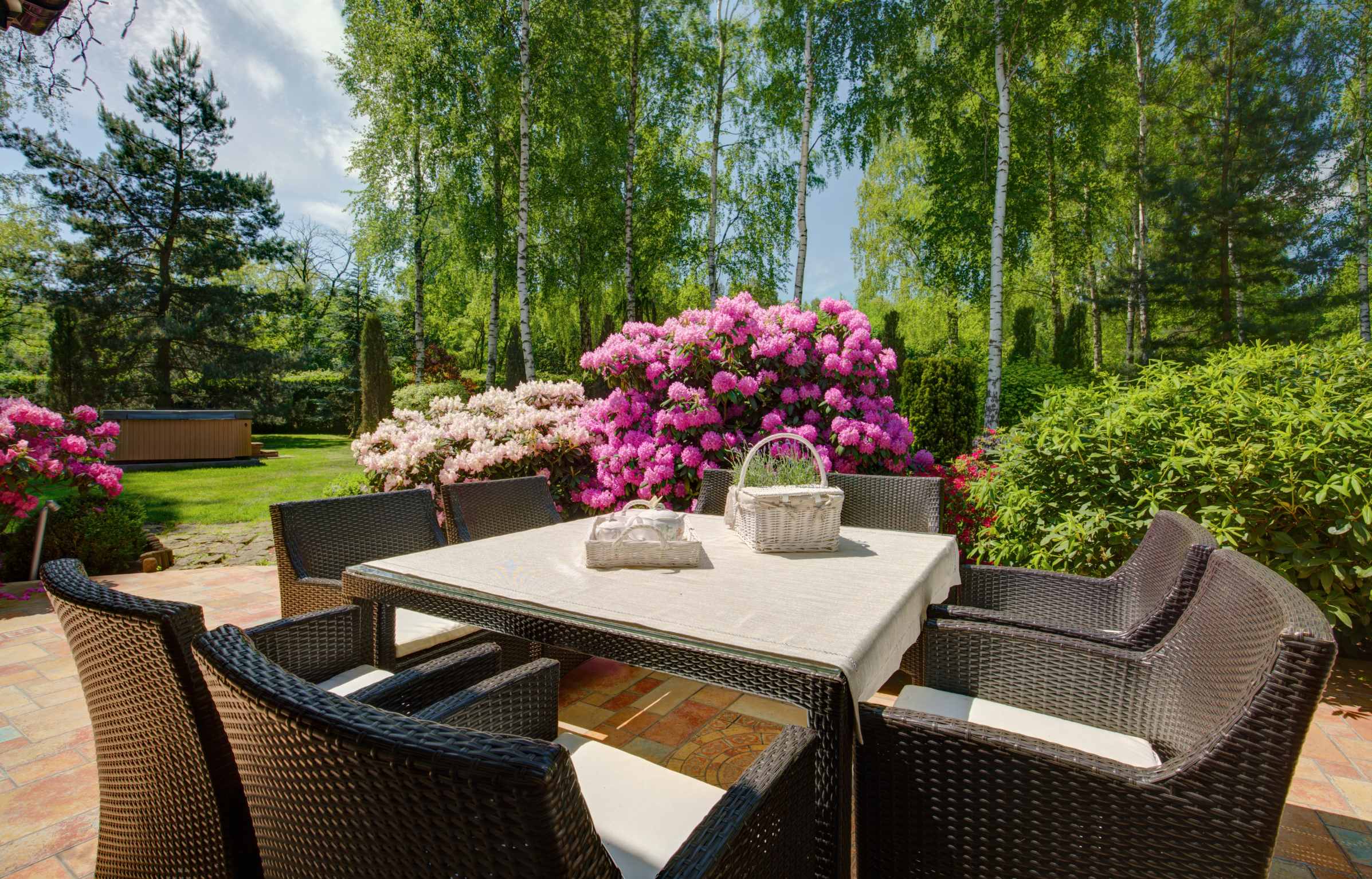
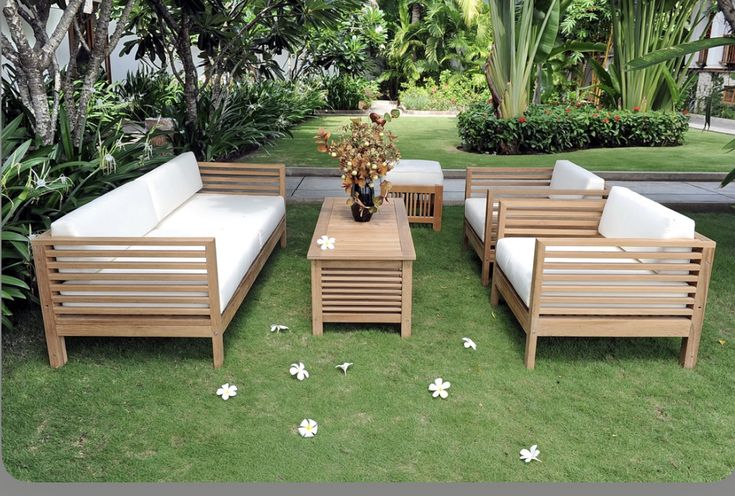
Strong placement gives room confidence. Each piece supports a specific activity, and the space begins to explain itself through use, scale, and arrangement, including how seating is positioned and how dining chairs relate to the table and surrounding movement.
Scale and Proportion Shape Comfort
Decoration frequently masks problems of scale. Strong visual elements can mask furniture that feels too large or too slight for the space. Placement forces scale into focus.
A large sofa pushed against a short wall compresses the room. A small table floating in a wide space feels lost. Chairs placed too far apart interrupt conversation. These problems stem from proportion, not aesthetics.
Visual balance begins with careful placement. Furniture performs best at the scale of the room. Ceiling height and available light influence proportion. Alignment creates a finished feeling without added ornament.
Light Works Best With Intentional Placement
Natural light defines how spaces feel across the day. Furniture placement determines whether light supports or fights the room’s function. Blocking windows with tall storage dims energy.
Turning the seating away from the light removes warmth. Desks aligned perpendicular to windows reduce glare. Brightness remains consistent throughout the day. Placement allows light to function as a design element rather than a challenge.
Decoration responds to light, but placement collaborates with it. When furniture respects light sources, rooms remain comfortable from morning to evening without constant adjustment.
Daily Habits Depend on Placement
Homes exist to support routine. Where bags land. Where shoes come off, where devices charge, and furniture placement quietly support these habits or create friction around them.
An entry bench near the door encourages organization. A bedside table positioned within reach supports rest. A dining table with enough clearance encourages regular use rather than avoidance.
Decoration rarely influences habit. Placement that reflects daily habits makes rooms easier to live in.
Small Spaces Depend on Placement First
In compact homes, placement carries even more weight. Space feels limited by default. Decoration can overwhelm quickly. Thoughtful placement creates breathing room.
Strategic spacing preserves openness. Multi-directional seating allows spaces to adapt easily. Pulling furniture off the walls improves movement. Shared alignment reduces visual distraction.
Spaces that prioritize placement often exceed their physical limits. Decoration supports the layout instead of masking flaws.
Emotional Impact Starts With Layout
People respond emotionally to space before they process detail. Tension, calm, openness, and security originate in layout.
Furniture placed to face entrances creates awareness. Seating arranged to support conversation builds connection. Balanced layouts reduce visual stress. These responses occur instinctively.
Decoration can show personality, but placement defines emotional tone. Proper layout creates a sense of calm before decoration.
Longevity Favors Placement Over Trends
Decor trends shift quickly. Colors change, materials cycle. Styles evolve. Furniture placement remains relevant.
A room with strong placement adapts easily to new decor. Accessories can change without disturbing the balance. Furniture can be updated without rethinking the flow.
Placement-first decisions preserve value over time. Spaces continue to work despite shifting trends.
Furniture Placement Creates Visual Order
Calm interiors rely on structure rather than embellishment. Furniture placement provides that structure by shaping space into legible sections. With thoughtful alignment, movement through the room feels uninterrupted.
Poor placement creates visual noise. Chairs face random directions. Tables float without purpose. Even carefully chosen decor struggles to compensate. Strong placement, on the other hand, reduces the need for excess decoration.
Furniture relates through proportion and spacing, creating rhythm. The space feels resolved instead of congested.

Zoning Makes Open Spaces Feel Livable
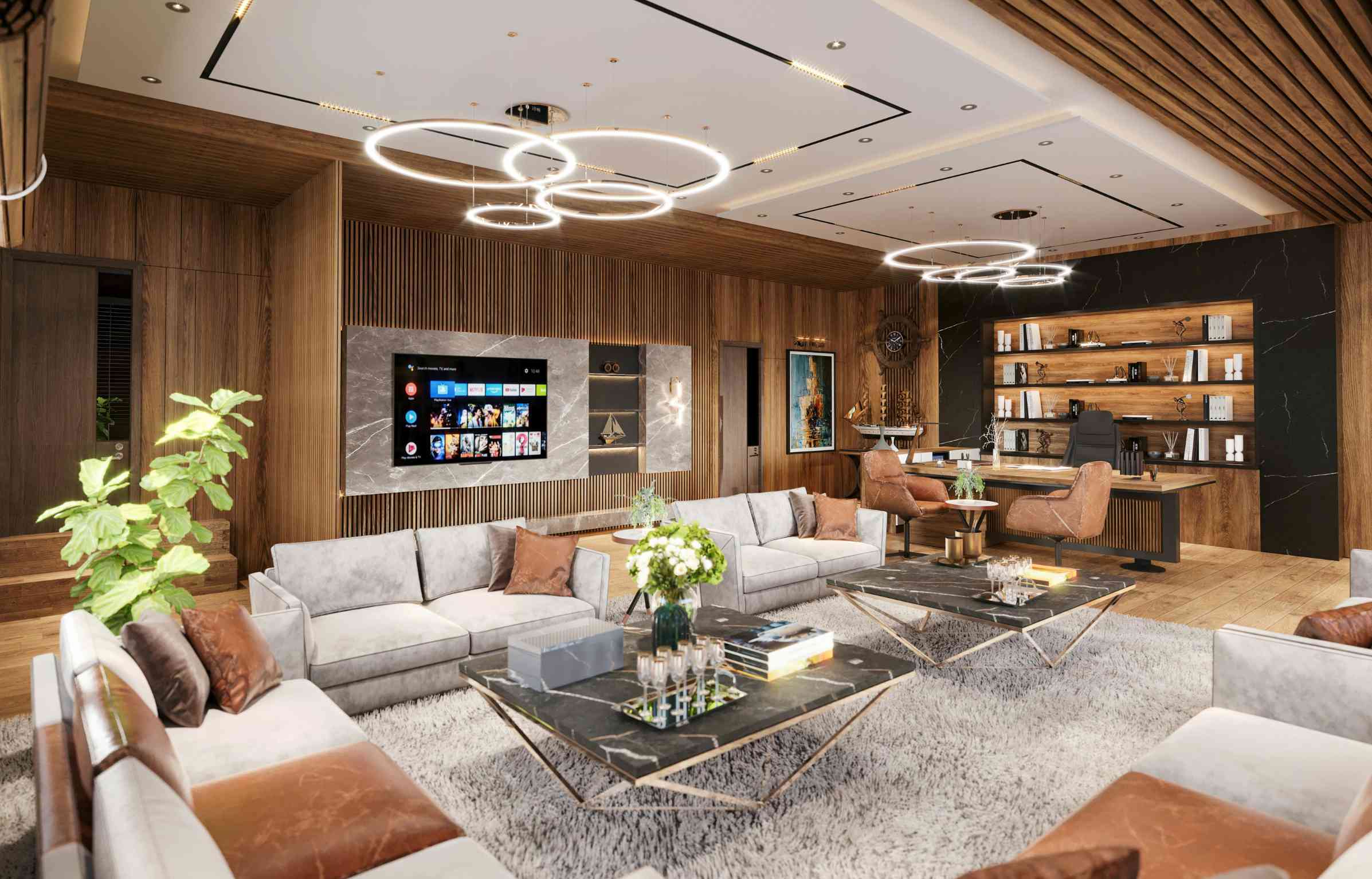
Furniture placement plays a central role in defining zones within open-plan homes. Without walls, placement becomes the primary tool for creating order. A sofa can establish a living area. A rug and table can anchor the dining. A console can mark a transition without closing space.
Zoning through placement allows multiple activities to coexist without conflict. Conversations remain contained. Movement stays clear. The space feels intentional rather than undefined.
Decoration can support these zones, but placement gives them function. Strong zoning allows open spaces to feel organized, comfortable, and human in scale.
Bottom Line
Placement underpins how a home works and endures. Decoration adds character, yet placement creates ease and balance. It directs movement and shapes daily behavior. Homes that prioritize placement feel intuitive rather than styled. They welcome daily life instead of staging it. Decoration then becomes expression rather than correction.
Intentional furniture placement deserves priority over decoration. Its impact reveals itself gradually.