




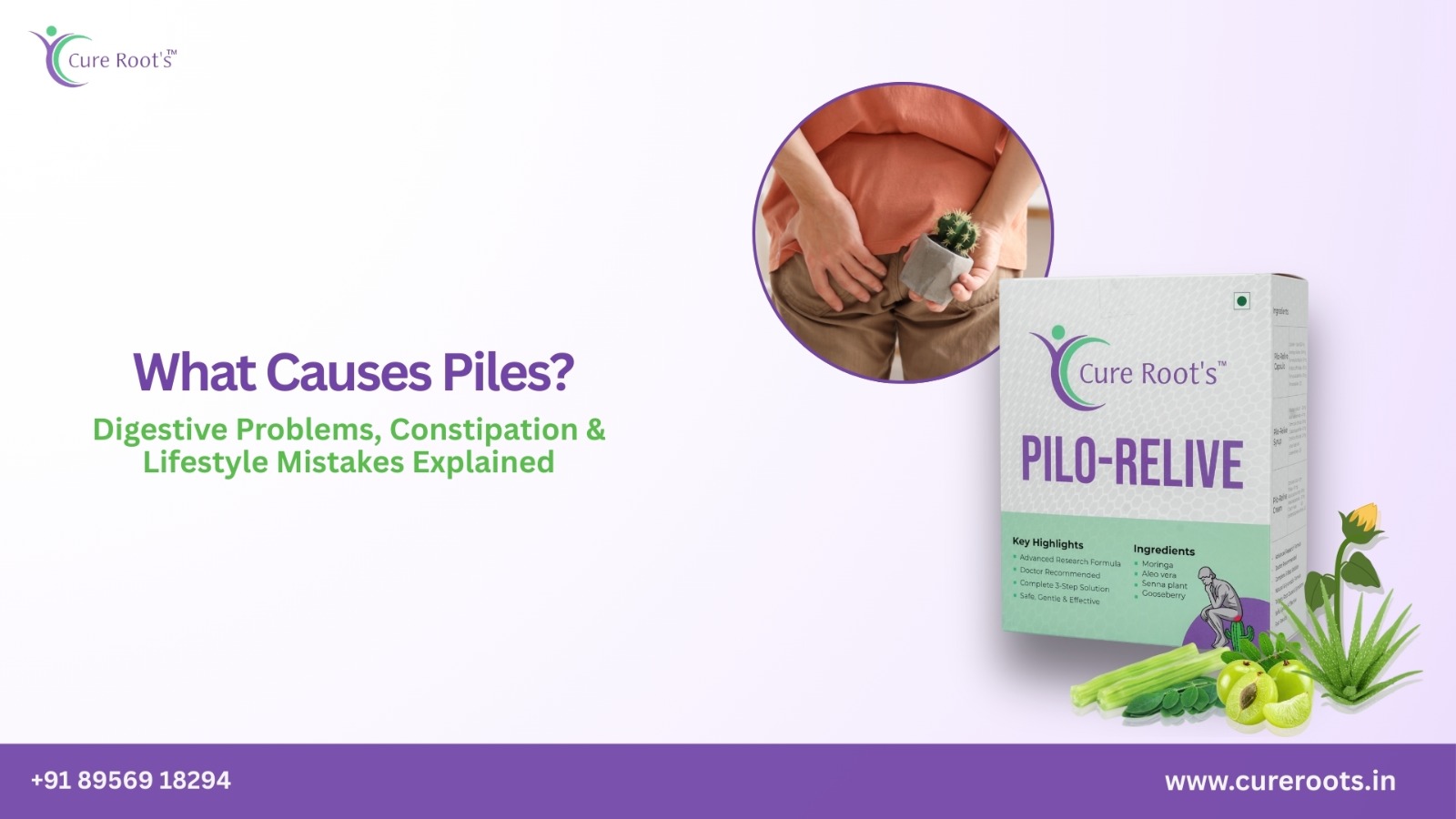
Piles, also known as hemorrhoids, is a condition that affects people of all age groups and lifestyles. While many associate it only with pain or bleeding during bowel movements, piles is actually the result of deeper digestive and lifestyle-related issues. Understanding what causes piles is the first step toward choosing the right treatment and preventing recurrence.
Understanding Piles at the Root Level
Piles develop when the veins in the rectal and anal region become swollen due to excessive pressure. This pressure is rarely caused by a single factor. Instead, it builds over time because of poor digestion, chronic constipation, unhealthy routines, and lack of physical activity. When these factors persist, the condition worsens gradually.
Modern lifestyles have significantly increased the number of piles cases, especially among people who sit for long hours, consume low-fiber diets, and ignore digestive health.
Digestive Problems: The Primary Trigger
Poor digestion is one of the most common contributors to piles. When food is not digested properly, it leads to the formation of hard stools. These stools require excessive straining during bowel movements, which increases pressure on rectal veins.
Over time, repeated strain damages the vein walls, leading to swelling, pain, and sometimes bleeding. Weak digestion also causes incomplete bowel evacuation, making constipation a regular problem rather than an occasional one.
This is why many specialists emphasize strengthening digestion rather than focusing only on symptom relief.
Constipation and Its Direct Impact
Constipation plays a central role in the development of piles. Passing hard stools repeatedly causes friction and injury to the anal canal. The longer constipation is ignored, the more severe the pressure becomes.
People often delay bowel movements due to busy schedules or poor toilet habits, which further hardens stools. This habit slowly weakens rectal tissues and makes piles more difficult to manage.
Addressing constipation early is essential for effective and lasting piles relief.
Lifestyle Habits That Worsen Piles
Unhealthy daily routines significantly increase the risk of piles. Long sitting hours, lack of exercise, and irregular sleep disturb digestion and slow bowel movements. Sedentary work environments reduce blood circulation in the lower body, putting constant pressure on rectal veins.
Diet also plays a crucial role. Low intake of fiber, excess spicy food, fried items, and inadequate water consumption contribute directly to constipation and inflammation.
Stress is another overlooked factor. Mental stress affects gut health, slows digestion, and disrupts natural elimination cycles.
Why Ignoring Early Symptoms Is Risky
Early piles symptoms such as mild itching, discomfort, or occasional bleeding are often ignored. Many people assume the issue will resolve on its own. Unfortunately, untreated piles tend to progress in severity, making treatment more complex later.
Timely intervention not only reduces discomfort but also prevents long-term complications. Early diagnosis helps identify whether the condition is internal or external and allows treatment to be adjusted accordingly.
Ayurvedic Perspective on Piles Causes
Ayurveda views piles as an imbalance caused by poor digestion and improper elimination. Instead of isolating the condition, Ayurveda studies the body as a whole. Digestive fire, bowel habits, diet, and lifestyle are all considered equally important.
This holistic approach is why ayurvedic medicines for piles aim to correct digestion, soften stools naturally, and reduce inflammation without aggressive intervention. The focus remains on restoring balance rather than forcing relief.
Combining Internal and External Support
Effective piles treatment requires both internal correction and external soothing. Internal support improves digestion and bowel movement regularity, while external care reduces pain, swelling, and irritation.
Integrated solutions like the pilo-relieve kit are designed to address both aspects together, making treatment more structured and convenient for patients managing daily symptoms.
Importance of Daily Preventive Care
Managing piles is not only about medication—it also involves daily habits. Drinking sufficient water, eating fiber-rich foods, responding to natural bowel urges, and staying active are essential steps in long-term management.
Proper piles care also includes avoiding prolonged sitting, limiting spicy foods, and maintaining hygiene in the anal region. Small, consistent changes can significantly reduce pressure on rectal veins and improve comfort.
Role of Medical Guidance
While lifestyle changes help, professional guidance ensures that the treatment approach matches the severity of the condition. Self-medication or delayed care often leads to worsening symptoms.
Starting with a free doctor consultation for piles allows patients to understand the stage of their condition and choose the safest treatment path early. Expert guidance helps avoid unnecessary procedures and long-term discomfort.
Preventing Recurrence Through Awareness
Even after symptoms improve, preventive measures must continue. Many cases of recurring piles are linked to returning to old habits once pain subsides. Long-term awareness of digestive health and routine discipline are essential for lasting relief.
Holistic care emphasizes prevention as strongly as treatment, helping patients maintain comfort and confidence.
A Balanced Healing Approach
Understanding the causes of piles empowers individuals to take control of their health. Instead of reacting to symptoms, focusing on digestion, lifestyle, and consistency leads to better outcomes.
Many patients trust cure roots for its root-cause-based approach and emphasis on natural healing. By combining awareness, discipline, and balanced treatment, cure roots supports individuals seeking sustainable relief through informed choices and structured piles care.
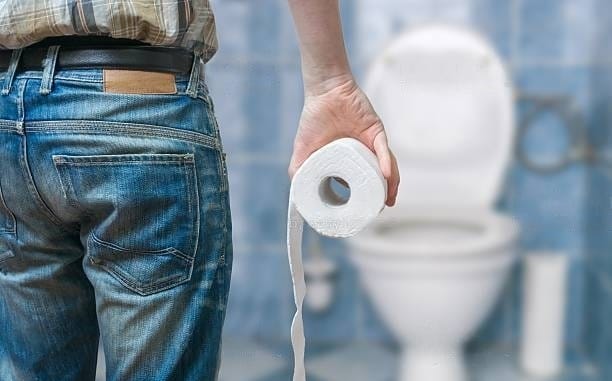
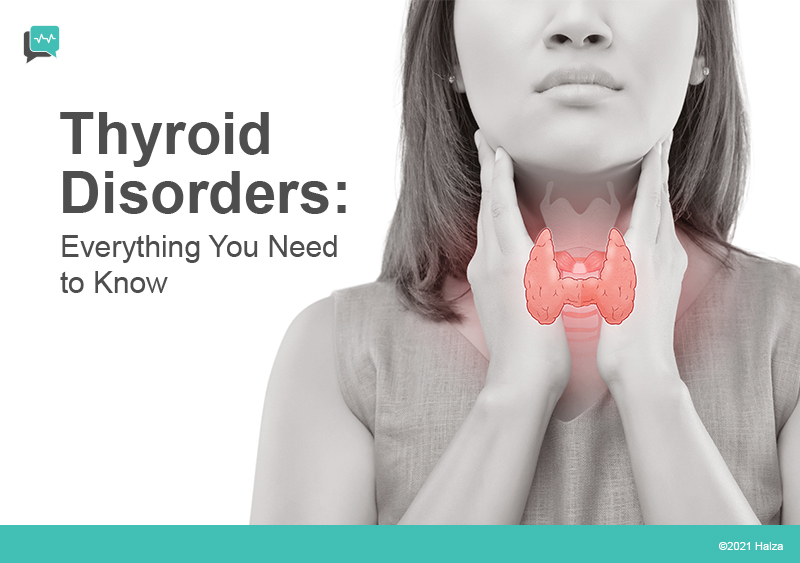
Make sure to get your constipation checked in time.
If the constipation is associated with Hashimoto's disease then you may be requiring the best possible Hashimoto constipation treatment.
It is neither an issue to delay the treatment of, nor does you need to be shy about getting the treatment started from us.
As we work on Gut health, diet, and lifestyle choices your treatment would be a success for both of us.