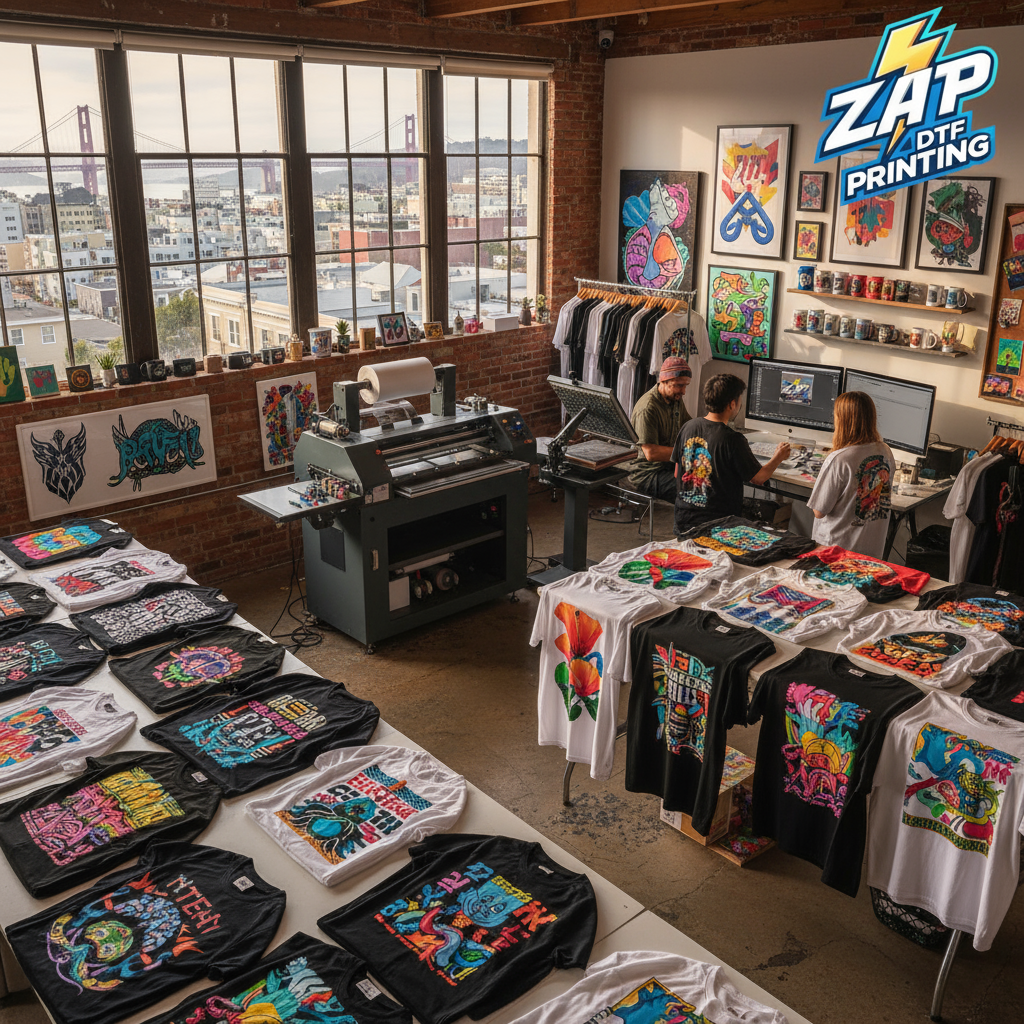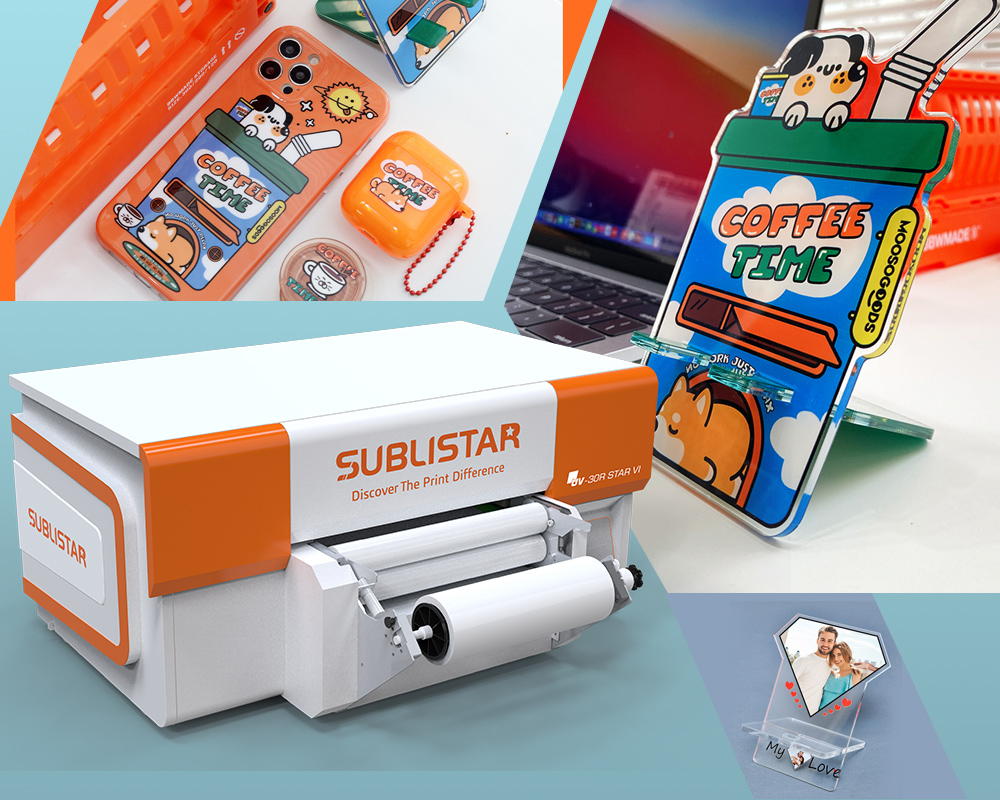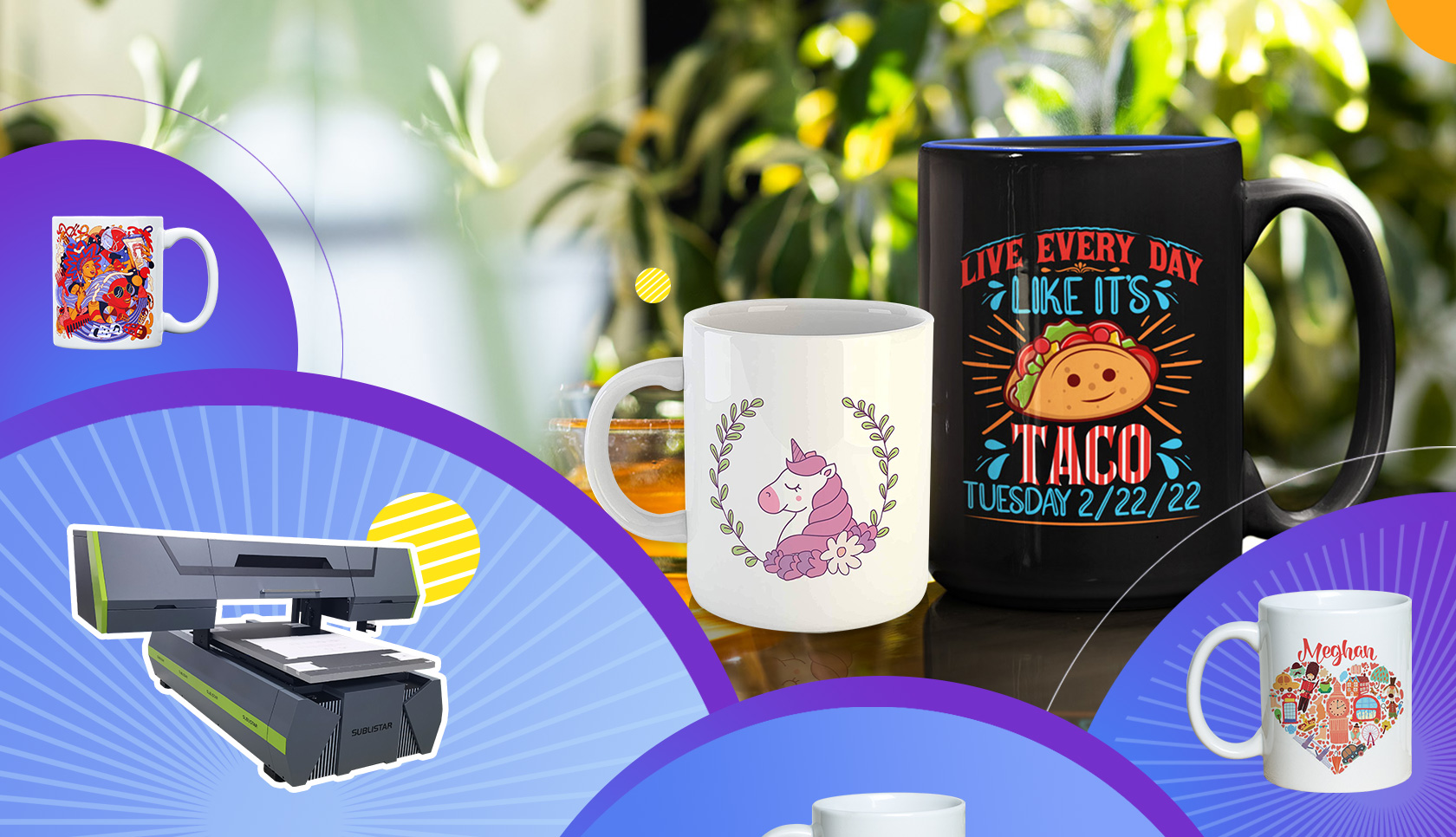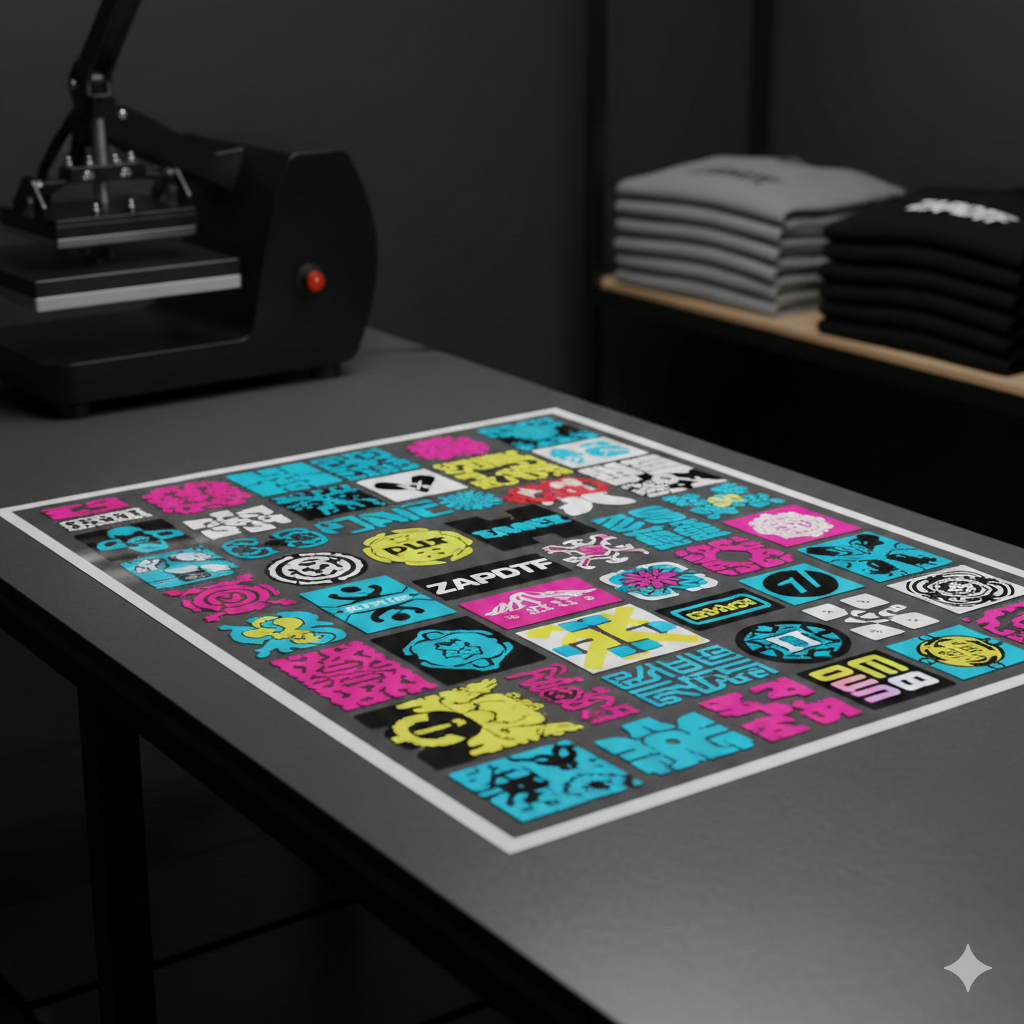
Ultra-violet Direct-to-Film (UV DTF) printing is rapidly transforming the custom printing landscape combining high-quality imagery, instant cure technology and broader material versatility to power next-generation branded merchandise, apparel and promotional products. As we move into 2026, UV DTF isn’t just an emerging novelty — it’s becoming a strategic cornerstone for print shops and apparel brands nationwide.
In this article, we highlight the most significant trends shaping UV DTF printing in 2026 and what businesses must know to stay competitive.
1. Cross-Industry Adoption and Market Expansion
UV DTF printing is expanding well beyond traditional apparel. In 2026, businesses are increasingly using UV DTF to produce custom designs on hard goods and mixed surfaces like glassware, tumblers, metal signage, and promotional accessories. This versatility is opening new revenue streams for print shops and brands that integrate multi-substrate capabilities into their workflows.
2. Sustainability Is No Longer Optional
Eco-friendly production is emerging as a strategic priority, not just a marketing buzzword. UV DTF trends show a stronger shift toward:
- Low-VOC and water-based UV inks
- Recyclable PET films and greener consumables
- Energy-efficient LED UV curing systems
This commitment to sustainability aligns with consumer preferences and tightening environmental regulations making green DTF printing a competitive advantage in 2026.
3. Automation and Smart Production Workflows
Automation isn’t just about saving labor — it’s reshaping how UV DTF printing operates at scale. Leading trends include:
- Automated film feeding and tension control
- Smart RIP software with real-time ink and layout optimization
- Integrated printing, curing, and cutting workflows
- IoT-enabled remote monitoring and diagnostics
These innovations reduce manual intervention, boost production speeds, and ensure consistent output even during high-volume runs.
4. Advanced Curing and Speed Enhancements
One of UV DTF’s biggest advantages is instant curing and 2026 sees this edge sharpened further:
- LED-based UV curing delivers faster, more consistent results
- Improved ink formulations enhance adhesion on challenging materials
- Speed-optimized print heads reduce turnaround times
Faster curing not only improves quality but also expands UV DTF’s feasibility for on-demand jobs and quick-turn merch production.
5. Greater Material Compatibility and Creative Freedom
UV DTF Transfer is breaking traditional substrate boundaries. Innovations are enabling:
High adhesion on stretch fabrics, nylon and synthetics
Reliable prints on ceramic, woodgrain, leather and metal
Enhanced flexibility without compromising visual quality
As a result, designers and brands can experiment with products ranging from fashion apparel to industrial accessories — all using the same UV DTF platform.
6. Customization, Personalization & E-Commerce Integration
Consumers increasingly expect unique and personalized products. UV DTF fits perfectly into this demand curve by offering:
- On-demand printing
- One-off orders with no setup cost
- Direct integration with online storefronts
By linking UV DTF production directly with e-commerce workflows (like Shopify or Etsy platforms), brands can deliver customized products faster and more reliably than ever before.
7. Hybrid and Specialty Effects Become Mainstream
Creative differentiation will drive growth in 2026. UV DTF Transfer Printing isn’t limited to standard prints anymore — it supports:
- Fluorescent and neon effects
- Metallic and foil finishes
- Textured and 3D embossing layers
These high-impact visual effects help brands stand out in crowded markets, boosting perceived value and allowing premium pricing on custom designs.
8. AI-Assisted Printing and Intelligent Quality Control
Artificial intelligence is quietly revolutionizing UV DTF production:
- Auto-color correction and predictive maintenance
- Smart defect detection in real time
- Optimized material nesting to reduce waste
AI-driven workflows make quality more predictable, costs more manageable, and production faster — a powerful competitive edge for printers who adopt early.
Conclusion: The Future of Custom Printing Is UV-DTF
As we look toward 2026, UV DTF printing is no longer a niche technique — it’s a transformative force across industries. From enhanced sustainability and automation to cross-industry applications and e-commerce integration, the trends shaping UV DTF reflect the broader evolution of custom printing itself.
For brands and print businesses that embrace these innovations, UV DTF offers:
- Greater creative freedom
- Faster production cycles
- Expanded product offerings
- Stronger market differentiation
- Higher customer satisfaction
Now is the time to invest, innovate, and integrate UV DTF into your custom printing strategy because the future of custom products is here, and it’s vibrant, flexible and fast.