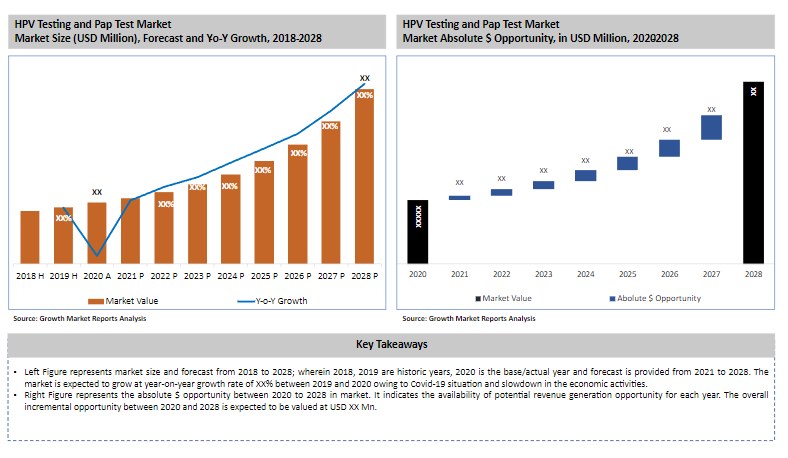
Human papillomavirus (HPV) is one of the most common sexually transmitted infections worldwide, and high-risk strains are a leading cause of cervical, anal, and other HPV-related cancers. Despite its prevalence, many individuals are unaware of the importance of regular HPV testing in dubai. Raising awareness about HPV screening can save lives by enabling early detection, timely intervention, and effective prevention.
The Critical Role of HPV Testing in Cancer Prevention:
HPV tests detect high-risk viral strains that may lead to precancerous lesions or cancer. Early identification allows healthcare providers to monitor persistent infections and intervene before abnormal cells progress to invasive disease. Studies show that regular HPV screening dramatically reduces cervical cancer incidence, highlighting the life-saving potential of timely testing.
How Awareness Impacts Screening Rates?
Lack of knowledge about HPV and its consequences is a major barrier to screening. Many individuals mistakenly believe that testing is only necessary after symptoms appear, yet most high-risk HPV infections are asymptomatic. Awareness campaigns educate people about the silent nature of the virus, encouraging proactive participation in preventive care.
Understanding the Connection Between HPV and Cervical Health:
High-risk HPV strains, such as HPV-16 and HPV-18, can persist in cervical tissue and cause abnormal cellular changes over time. HPV testing, particularly when combined with Pap smears, helps identify infections before precancerous changes develop. Early detection ensures that interventions, including colposcopy or biopsy, can prevent progression to cervical cancer.
Screening Guidelines Everyone Should Know:
Women aged 21 and older are advised to begin cervical cancer screening. Between ages 21–24, Pap smears every three years are recommended, while women 25 and older can undergo high-risk HPV testing alone or with a Pap smear every three to five years. Even vaccinated women should follow these guidelines, as vaccines do not protect against all high-risk HPV strains. High-risk populations, including immunocompromised individuals, may require more frequent screening.
Overcoming Misconceptions About HPV Testing:
A common misconception is that a positive HPV result equals cancer. In reality, it indicates the presence of high-risk viral strains and the need for monitoring. Another myth is that vaccination eliminates the need for testing. While vaccines protect against the most dangerous strains, regular screening remains essential to detect infections from unprotected strains. Clarifying these points encourages adherence to screening recommendations.
The Emotional and Health Benefits of Screening:
Awareness of HPV testing empowers individuals to take control of their sexual and reproductive health. Knowing one’s HPV status reduces anxiety, supports informed decision-making, and promotes timely intervention. Regular screening enhances confidence in preventive care and fosters open communication with healthcare providers about risk management.
Complementary Strategies for Long-Term Protection:
HPV testing works best when combined with vaccination, safe sexual practices, and healthy lifestyle choices. Vaccines protect against the most common high-risk strains, barrier protection reduces transmission, and maintaining a strong immune system supports viral clearance. Together, these measures maximize long-term protection and reinforce the life-saving potential of HPV screening.
Why Public Health Campaigns Matter?
Public health initiatives that promote HPV awareness and screening are critical for reducing cancer rates. Education about the benefits of testing, accessibility of screening programs, and encouragement to follow recommended intervals ensures more people participate in preventive care. Widespread awareness transforms HPV testing from a reactive measure into a proactive, life-saving strategy.
Conclusion:
HPV test awareness saves lives by promoting early detection, timely intervention, and prevention of cervical and other HPV-related cancers. Understanding the importance of regular screening, following age- and risk-specific guidelines, and combining testing with vaccination and safe sexual practices ensures comprehensive protection. Raising awareness empowers individuals to take charge of their sexual and reproductive health, making HPV screening a cornerstone of long-term wellness and cancer prevention.


Globally, cervical cancer is the most appearing cancer in women.
There are three types of screening for identifying cervical cancer they are Pap Smear Tests, Human Papillomavirus Virus (HPV) Tests and Visual Inspection with Acetic Acid (VIA) Tests.
Cervical cancer is one of the leading causes of female cancer deaths in low- and middle-income countries.COVID-19 impacts Global Cervical Cancer Screening IndustryThe cervical cancer screening declined to meager numbers due to pandemic coronavirus.
We have more than 10 years of experience especially in international Business-to-Business Researches, Surveys and Consulting.
We provide wide range of business research solutions that helps companies in making better business decisions.
We partner with clients in all sectors and regions to identify their highest-value opportunities, address their most critical challenges, and transform their businesses.

With a multi-disciplinary approach, Fact.MR elaborates an extensive analysis of the historical, current and future outlook of the global Self-administered HPV test market as well as the factors responsible for such a growth.
Our highly dedicated professionals have inputted critical and accurate insights associated with every industry, and region by doing thorough primary and secondary research.We leverage space-age industrial and digitalization tools to provide avant-garde actionable insights to our clients regarding the Self-administered HPV test market.
For enhancing readers’ experience, the report starts with a basic overview about the Self-administered HPV test market and its classification.
Further, we have considered 2026 as the estimated year, 2018 – 2026 as the stipulated timeframe.Competitive Assessment The insights for each vendor consists of:Company profileSWOT analysisMain market informationMarket shareRevenue, pricing and gross marginRequest for the Sample of the Report: https://www.factmr.com/connectus/sample?flag=S_id=1150Regional Analysis Important regions covered in the Self-administered HPV test market report include:North America (U.S., Canada)Latin America (Mexico.
Brazil)Western Europe (Germany, Italy, France, U.K, Spain, Nordic countries, Belgium, Netherlands, Luxembourg)Eastern Europe (Poland, Russia)Asia-Pacific Excluding China and Japan (India, ASEAN, Australia & New Zealand)ChinaJapanThe Middle East and Africa (GCC, S. Africa, N. Africa) The Self-administered HPV test market report also provides data regarding the key countries in the defined regions.Segmentation AnalysisBy Technology:DNA based assaysRNA based assaysBy end users:ClinicsHome-based settingsHealthcare centersDiagnostic centersWhat insights does the Self-administered HPV test market report provide to the readers?Self-administered HPV test market fragmentation on the basis of product type, end use, and region.Comprehensive assessment of upstream starting materials, downstream demand, and present market landscape.Collaborations, R projects, acquisitions, and product launches of each Self-administered HPV test market player.Various regulations imposed by the governments on the consumption of Self-administered HPV test market in detail.Impact of modern technologies, such as big data & analytics, artificial intelligence, and social media platforms on the global Self-administered HPV test market.Request TOC of this Report - https://www.factmr.com/connectus/sample?flag=T_id=1150Questionnaire answered in the Self-administered HPV test market report include:What is the present and future outlook of the global Self-administered HPV test market on the basis of region?What are the challenges and opportunities for the Self-administered HPV test market?Why the consumption of Self-administered HPV test market highest in region?In which year segment is expected to overtake segment?