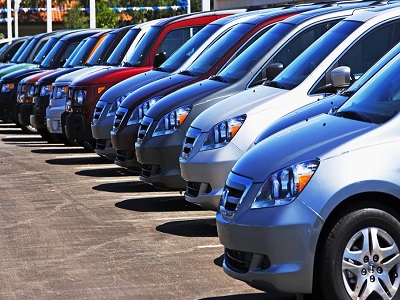


Buying or selling a used car often raises one common question — how is the price actually determined? Unlike new cars with fixed showroom prices, used car pricing is influenced by several dynamic factors such as depreciation, demand, vehicle condition, and market trends.
Understanding these pricing factors helps buyers avoid overpaying and enables sellers to set realistic expectations. In this guide, we explain exactly how used car pricing is determined, based on current automotive industry standards and valuation methods used in 2025–2026.
Why Used Car Pricing Matters
Used car pricing is not random. It is calculated through a combination of vehicle-specific details and real-time market data. Accurate pricing benefits:
• Buyers – prevents paying above market value
• Sellers – helps attract genuine buyers quickly
• Dealers and lenders – ensures fair financial risk management
• Insurance providers – determines vehicle coverage and claim values
Car valuation helps maintain transparency and reduces financial risks for all parties involved in the transaction.
Key Factors That Determine Used Car Pricing
1. Depreciation: The Biggest Pricing Factor
Depreciation refers to the reduction in a car’s value over time. It is the most significant element in used car pricing.
• Cars typically lose the highest value during the first few years of ownership.
• Vehicles may lose up to 50% of their original value within five years.
• Depreciation usually slows down after the initial years.
The age of a vehicle strongly impacts resale value, with newer vehicles retaining higher prices compared to older models.
Why Depreciation Happens
Depreciation occurs due to:
• Wear and tear
• Technology becoming outdated
• Warranty expiration
• Changing buyer preferences
2. Vehicle Age
The older the car, the lower its market value — generally speaking. Age affects pricing because older vehicles often:
• Require more maintenance
• Offer outdated technology and safety features
• Show higher mechanical wear
Older vehicles usually experience greater price reductions, especially when paired with heavy usage.
3. Mileage and Usage
Mileage plays a major role in determining used car pricing because it reflects how much the vehicle has been driven.
• Low mileage indicates less wear and typically results in higher resale value
• High mileage signals engine stress and possible repair costs
Cars driven significantly more than average annual distances usually receive lower valuation offers.
Buyers also often prioritize vehicles with lower odometer readings, making mileage one of the first factors examined during valuation.
4. Overall Vehicle Condition
Condition is one of the most influential pricing factors and includes both cosmetic and mechanical aspects.
Exterior Condition
• Paint quality
• Dents and scratches
• Rust or structural damage
Interior Condition
• Seat and upholstery quality
• Dashboard functionality
• Odour and cleanliness
Vehicles that are regularly serviced and well maintained typically hold higher resale value. In contrast, visible damage or mechanical issues can significantly reduce pricing.
5. Brand, Model, and Variant Popularity
Market demand plays a huge role in used car pricing. Some vehicles retain value better because they are known for:
• Reliability
• Low maintenance cost
• High fuel efficiency
• Strong resale reputation
Cars from trusted manufacturers often maintain stronger resale value because buyers associate them with durability and better after-sales support.
Similarly, models with advanced features or popular trims usually command higher prices.
6. Service History and Ownership Record
Documentation significantly impacts buyer trust and vehicle value.
Cars with:
• Complete service records
• Fewer previous owners
• Verified maintenance history
typically receive better market valuation because they provide transparency and reliability assurance.
7. Accident and Insurance History
Vehicles involved in accidents usually sell for less because buyers worry about long-term structural or mechanical damage.
Even repaired vehicles often face lower resale pricing due to reliability concerns and future repair risks.
8. Fuel Type and Technology Trends
Fuel type can influence pricing based on market demand and regulations.
• Petrol cars often maintain stable resale value in urban areas
• Diesel vehicles may fluctuate due to regulatory policies
• Electric vehicles sometimes experience faster initial depreciation due to evolving technology and battery concerns
Changing government policies and fuel preferences directly affect resale demand and pricing trends.
9. Market Demand and Supply Conditions
Used car prices fluctuate based on supply and demand.
Examples include:
• Limited supply increases prices
• High demand for specific models boosts resale value
• Economic changes influence buyer affordability
Recent market data shows that inventory shortages and increased demand can drive used vehicle prices upward across multiple segments.
10. Customization and Modifications
Aftermarket modifications can influence used car pricing in different ways.
• High-quality upgrades may attract enthusiasts
• Poor or excessive modifications may reduce buyer confidence
Buyers often prefer vehicles with original manufacturer specifications because they suggest reliability and easier maintenance.
How Dealers and Online Platforms Calculate Used Car Prices
Modern car pricing uses advanced data-driven models and inspection methods. Dealers and marketplaces evaluate:
• Vehicle specifications
• Historical pricing data
• Local market demand
• Physical inspection reports
• Algorithm-based valuation tools
Machine learning models are also increasingly used to analyze car features and predict pricing accurately.
Tips to Increase Used Car Value Before Selling
If you are planning to sell your car, consider these practical steps:
✔ Maintain regular servicing
✔ Fix minor cosmetic damage
✔ Keep service records ready
✔ Avoid unnecessary modifications
✔ Clean interiors and exterior professionally
Small improvements can significantly improve resale value and buyer confidence.
Final Thoughts
Used car pricing is determined by a combination of measurable vehicle attributes and constantly changing market trends. Depreciation, mileage, condition, brand reputation, and demand remain the most influential factors.
By understanding how pricing works, buyers can make informed purchasing decisions while sellers can maximize their vehicle’s resale value. As data analytics and online valuation tools continue to evolve in 2026, used car pricing is becoming more transparent, accurate, and customer-focused.
FAQs
How much does a car depreciate each year?
Most vehicles lose 15–20% of their value annually, especially during early ownership years.
Does mileage affect resale price?
Yes, vehicles with lower mileage typically command higher resale prices due to reduced wear and tear.
Do accidents reduce car value?
Yes, accident history can significantly lower resale price due to potential reliability concerns.
Which cars retain value the most?
Cars with strong reliability, fuel efficiency, and high market demand usually maintain better resale value.