


Introduction
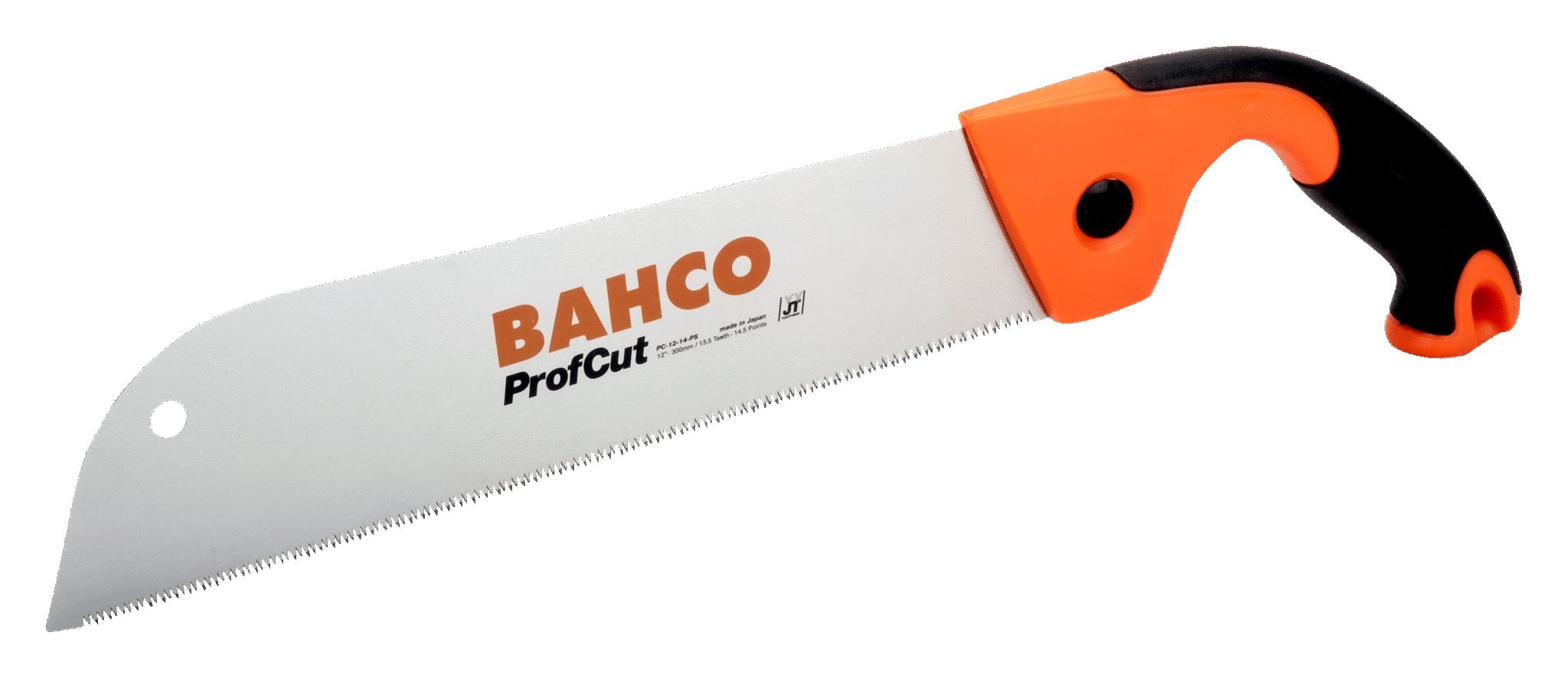
Hand Saw Blades are fundamental tools in traditional and modern cutting tasks. Whether used in carpentry, metalwork, or general maintenance, these blades deliver clean, manual cuts without the need for power tools. Their efficiency, however, greatly depends on their design, material, and how well they’re suited to the job at hand. For professionals and DIY users alike, understanding what makes one blade different from another helps ensure greater success across various applications.
The Purpose and Importance of Hand Saw Blades
The primary function of a hand saw blade is to separate material using physical force. Each tooth on the blade is designed to cut through fibres or grains in wood, plastics, and metals. When properly selected, a hand saw blade can offer surprising speed, accuracy, and smoothness. Blades not suited for the task often result in jagged edges, user fatigue, and potential damage to the material or the tool. That’s why choosing the right hand saw blade is not just about convenience but also about safety, longevity, and performance.
Exploring the Different Blade Types
Hand saw blades are designed in various forms to meet diverse user needs. For example, some blades are engineered for clean, straight woodcuts, while others are built for aggressive pruning or fine, curved cuts. Panel saw blades are great for general-purpose work, while hacksaw blades are better suited for cutting metal and plastic pipes. Coping and fret saw blades allow for delicate, artistic patterns and internal cut-outs, particularly useful in joinery or detailed trim work. Understanding the unique characteristics of each blade type ensures efficient energy use and improves the quality of the final result.
Understanding Blade Materials and Their Applications
The material of a hand saw blade determines its durability, sharpness, and resistance to environmental stress. Blades made from high-carbon steel are commonly used for wood due to their flexibility and sharp cutting edges. For tougher materials, such as metal or hard plastics, alloy or hardened steel provides more rigidity and longer life. Advanced options like tungsten carbide-tipped blades offer exceptional wear resistance and are ideal for heavy-duty or continuous use. Each material offers its own trade-off between flexibility, hardness, and price, which should be evaluated based on the intended application.
The Role of Tooth Design and TPI
Tooth geometry is a critical element in blade performance. The number of teeth per inch, commonly referred to as TPI, affects how smooth or aggressive a cut will be. Low TPI blades are typically used for quick, rough cuts, often on softwood or for pruning. High TPI blades are ideal for fine, clean cuts, particularly in hardwoods or laminates. Beyond tooth count, the shape of the teeth, whether they are raker, crosscut, or rip teeth, also plays a major role. Proper tooth design minimises resistance, improves control, and ensures efficient material removal.
Choosing the Right Blade for the Task
Selecting the ideal hand saw blade involves more than grabbing the first one available. Consideration should be given to the type of material, the direction of the cut (with or against the grain), and the level of precision required. A user working with hardwood flooring would require a completely different blade than one cutting PVC piping or trimming soft branches. The type of saw the blade fits into is also a key factor. Compatibility with the tool, along with balance and weight, influences ease of use and outcome quality.
Benefits of Proper Hand Saw Blade Selection
When matched correctly, a hand saw blade makes work more efficient, productive, and satisfying. It reduces the number of passes needed to complete a cut, ensures a cleaner edge that often needs little sanding, and decreases the physical strain on the user. This results in faster job completion, fewer material mistakes, and better consistency across multiple cuts. Moreover, well-designed blades with ergonomic integration into their saw frames contribute to safer operations and reduce the risk of tool-related injuries.
Best Practices for Blade Maintenance
To ensure long-term performance, hand saw blades require regular maintenance. Removing debris and sap buildup after each use prevents clogging and rust. Dry storage helps prevent corrosion, especially for steel blades that are not treated with rust-resistant coatings. Periodic sharpening of the blade teeth ensures smoother operation and less effort during cutting. When teeth become worn or misaligned beyond repair, replacing the blade becomes essential to avoid compromising safety and efficiency.
Applications Across Trades and Hobbies
Hand saw blades are widely used in construction, carpentry, metalwork, gardening, crafting, and educational environments. Their simplicity, affordability, and effectiveness make them a go-to solution when power tools are either unavailable or unnecessary. For tasks like trimming door frames, cutting sheet materials, or shaping decorative mouldings, hand saws with the right blade offer complete control over the outcome. They are also valuable for fieldwork and emergency repairs, where portability and ease of use are vital.
Conclusion
Hand Saw Blades are far more than just toothed strips of metal. Their impact on precision, control, and work efficiency is undeniable. With multiple blade types, materials, and tooth configurations available, users can adapt their tools to meet the exact needs of any cutting task. Understanding how these blades work and how to choose the right one transforms even the simplest hand saw into a powerful, reliable tool. Whether in a workshop or on-site, investing in the right hand saw blade always pays off in performance and quality.

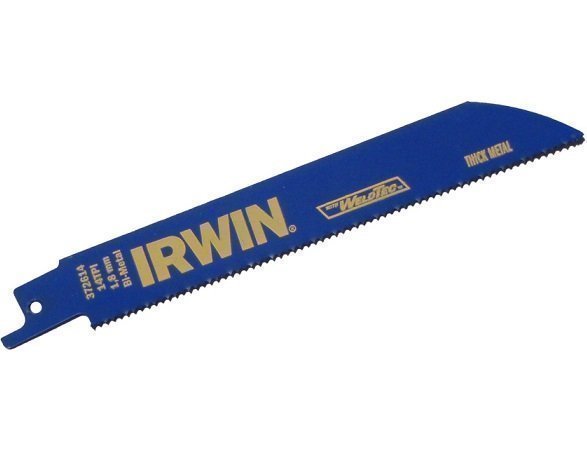
Reciprocating saw is a machine that can make various DIY projects easier and more fun.
It can be used by professionals also.
It has certain benefits over the traditional saws.
This is mostly used by metal and woodworkers.This piece of tool will offer maximum benefit if it is used in the right manner with right accessories.
The most important accessory for reciprocating saw is the reciprocating blades.
This is because the quality of work depends on the kind of reciprocating blade selected.When one wants to work on wood they need to select the exact reciprocating saw blade wood, to do the desired job perfectly.