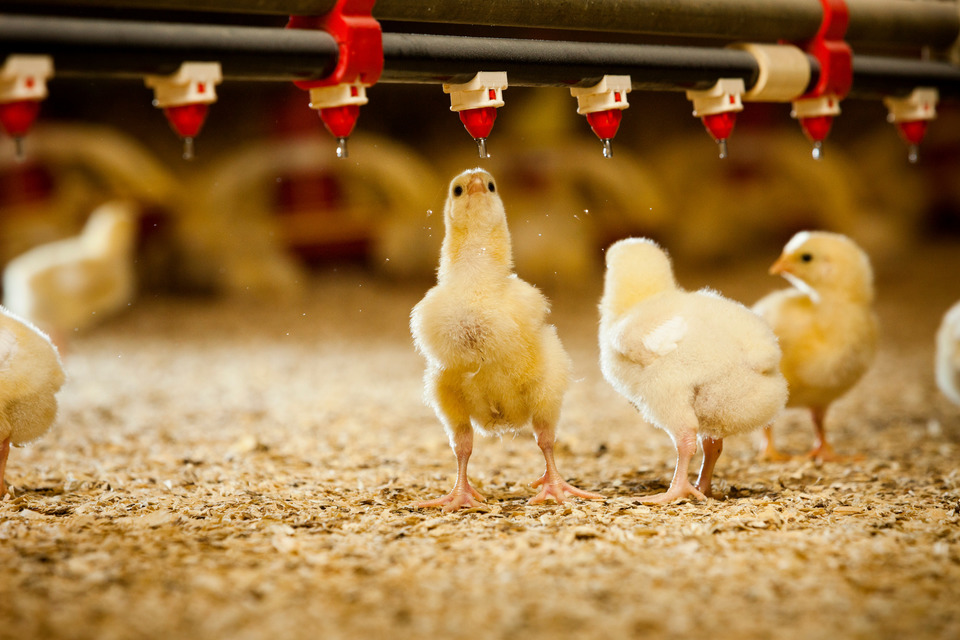
The global chicken trade is no longer just about who produces the most — it’s about who supplies reliably, competitively, and consistently. In 2026, international poultry buyers are paying closer attention to sourcing strategy, risk diversification, and regulatory compliance than ever before.
Chicken remains one of the world’s most traded agricultural commodities because it offers affordability, scalability, and broad dietary acceptance. Yet behind the scenes, the export market is shaped by complex factors that determine which countries truly lead global poultry supply.
For importers, wholesalers, and food businesses, understanding how exporting countries compete — not just how much they ship — is essential for smart procurement decisions.
The New Reality of Poultry Sourcing
A decade ago, buyers often focused on price alone. Today, sourcing decisions involve a wider evaluation:
Supply consistency
Disease control standards
Processing quality
Certification readiness
Shipping reliability
Political and trade stability
Modern poultry buyers are building long-term supply partnerships rather than making short-term purchases. This shift has reshaped which countries stand out in the export market.
Volume vs. Value in Chicken Exports
Export leadership is not only about tonnage. Some countries dominate in raw volume, while others specialize in higher-value or processed poultry products.
Large-volume exporters typically benefit from:
Strong domestic feed production
Industrial-scale farming
Vertical integration
Lower production costs
Meanwhile, value-focused exporters compete through:
Processed and ready-to-cook products
Strict quality grading
Advanced packaging
Specialized certifications
Both strategies succeed — but they serve different buyer needs.
What Importers Actually Look For
Global poultry buyers often evaluate exporters based on five core areas:
1) Biosecurity & Disease Management
Avian influenza and other diseases can disrupt supply overnight. Countries with strong containment systems are more trusted.
2) Certification Standards
Halal, HACCP, ISO, and country-specific certifications influence market access.
3) Cold Chain Strength
Without reliable refrigeration, poultry trade cannot function. Logistics capability is a key differentiator.
4) Export Experience
Nations with established export industries understand documentation, inspections, and compliance better.
5) Trade Relationships
Countries with stable trade ties and agreements often face fewer disruptions.
Regions That Shape Global Chicken Supply
While several nations participate in poultry exports, a few regions consistently influence global supply:
South America
Known for cost-efficient production and feed availability, this region supplies large volumes to Asia and the Middle East.
North America
High productivity and integrated supply chains allow competitive exports, especially for specific cuts.
Southeast Asia
A hub for processed poultry and value-added products, often serving premium markets.
Europe
Focused on regulatory compliance, traceability, and intra-regional trade.
Each region plays a different role in balancing global poultry demand.
Why Import Demand Keeps Rising
Chicken consumption continues to grow because it aligns with modern consumer priorities:
Affordable protein
Short cooking times
Lower perceived health risks than red meat
Adaptability across cuisines
Population growth in Asia and Africa, combined with urban lifestyles, fuels steady import demand. In many countries, domestic poultry production cannot keep pace, making imports essential.
Market Intelligence as a Competitive Advantage
In 2026, information is as valuable as supply. Buyers increasingly rely on trade data, supplier directories, and export reports to identify reliable partners.
Understanding top chicken exporting countries in the world helps importers evaluate sourcing options, compare supplier strengths, and reduce procurement risk.
Market transparency also benefits exporters, allowing them to position themselves more effectively in competitive markets.
Risk Diversification in Poultry Trade
Smart importers rarely rely on a single country. Diversifying suppliers helps mitigate risks related to:
Disease outbreaks
Policy changes
Shipping disruptions
Currency fluctuations
Multi-origin sourcing is becoming a best practice in poultry procurement.
The Sustainability Conversation
Sustainability is gradually influencing poultry trade decisions. Buyers are asking more questions about:
Feed sourcing
Environmental impact
Animal welfare
Responsible antibiotic use
Exporters who address these concerns gain credibility, especially in premium markets.
Outlook for the Global Chicken Trade
The long-term outlook remains positive. Chicken’s efficiency as a protein source makes it resilient even during economic slowdowns. While short-term disruptions occur, global demand trends remain upward.
Exporting countries that invest in technology, biosecurity, and logistics will likely strengthen their market positions. Importers who stay informed and flexible will secure more stable supply chains.
Final Perspective
The poultry export market in 2026 is shaped by more than production scale. Reliability, compliance, and strategic sourcing define true leadership.
For businesses navigating international poultry trade, knowledge and preparation are just as important as price negotiations. As global food systems evolve, the chicken trade continues to demonstrate how interconnected and data-driven modern agriculture has become.

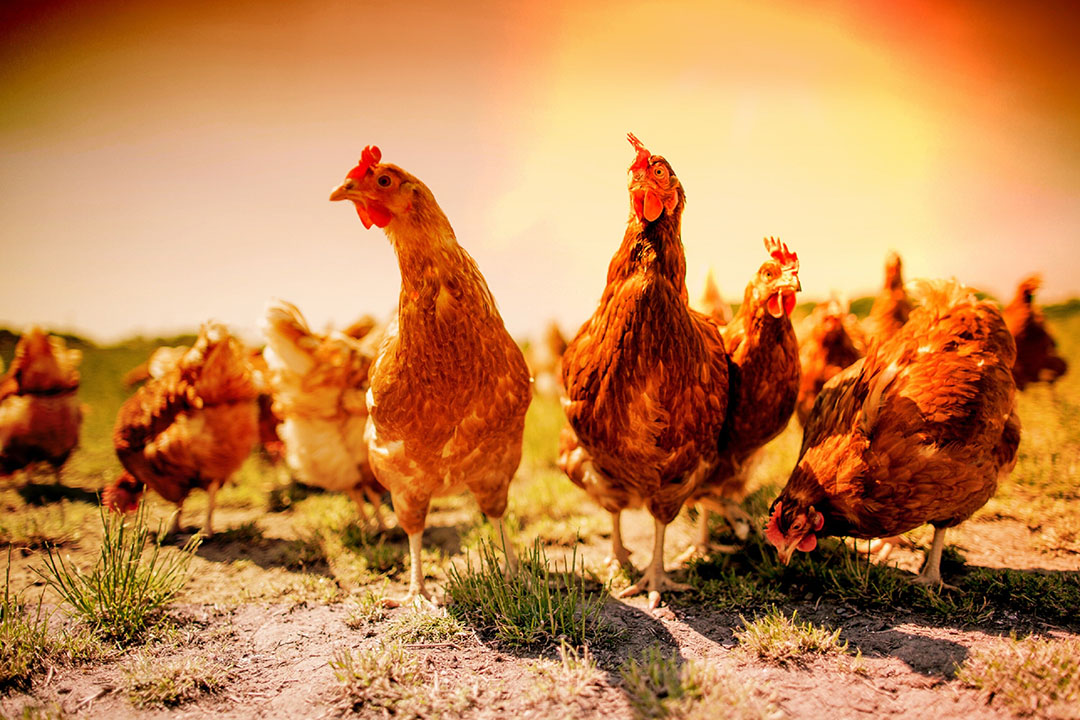
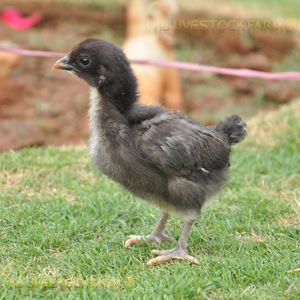
KB livestock Farm: kadaknath chicken and chicks for sell.
The best, leading kadaknath poultry farm website lists kadaknath chicken for sale in India.
Poultry chicks in Kadaknath, kadaknath poultry farm, black chicken meat, kadaknath chicks farms