

The skincare industry continues to grow rapidly in 2026 as consumers become more conscious about ingredients, product performance, and brand transparency. Launching a skincare brand today offers strong business potential, but success depends on proper planning, quality manufacturing, and a clear market strategy. This guide explains the complete step-by-step process to help you build a successful skincare brand from concept to launch.
1. Understand the Skincare Market in 2026
Before starting, research current skincare trends and consumer expectations. Modern buyers look for:
Ingredient transparency and safe formulations
Result-oriented products backed by testing
Clean, dermatologically tested, and skin-friendly ingredients
Sustainable and functional packaging
Popular categories include face serums, moisturizers, sunscreens, cleansers, anti-aging products, and targeted treatments for acne, pigmentation, and hydration.
Understanding your audience helps you create products that solve real skin concerns rather than entering an overcrowded market without direction.
2. Define Your Brand Concept and Target Audience
A strong brand identity is essential in the competitive skincare space. Decide:
Your brand positioning (premium, clinical, natural, or everyday skincare)
Target audience (men, women, teenagers, sensitive skin users, etc.)
Product range for initial launch
Unique selling proposition (USP)
Your brand story should communicate trust, effectiveness, and consistency.
3. Choose a Reliable Third-Party Cosmetic Manufacturer
Partnering with a professional third-party cosmetic manufacturer simplifies the entire process. An experienced manufacturer helps with formulation, testing, production, and compliance.
Look for manufacturers with:
GMP and ISO certifications
Advanced manufacturing infrastructure
In-house R&D and quality control labs
Experience in skincare product manufacturing
This allows you to focus on branding and marketing while experts handle production quality.
4. Product Development and Formulation
There are two common approaches:
Ready-to-Use Formulations
Many manufacturers provide pre-tested formulations that reduce development time and investment. This is ideal for startups wanting faster market entry.
Custom Formulation
Custom formulation helps create unique products designed specifically for your brand’s identity and target audience.
Key factors in skincare formulation include stability, texture, absorption, safety testing, and ingredient compatibility.
5. Packaging Design and Brand Presentation
Packaging is often the first thing customers notice. Effective skincare packaging should be:
Attractive and premium-looking
Functional and hygienic
Compatible with product formulations
Clearly labeled with ingredient and usage details
Good packaging increases shelf appeal and builds consumer confidence.
6. Regulatory Compliance and Documentation
Skincare products must comply with safety and labeling regulations before entering the market. A professional manufacturer supports:
Ingredient compliance checks
Product testing reports
Label approvals
Safety documentation
This ensures smooth selling across online and offline channels.
7. Manufacturing and Quality Control
Once everything is finalized, production begins. Reliable manufacturers follow strict quality protocols including:
Controlled production environments
Batch consistency checks
Microbiological testing
Stability testing for shelf life
Consistent quality is essential for long-term brand success.
8. Marketing and Brand Launch Strategy
After manufacturing, focus on building brand awareness:
Launch through e-commerce platforms
Build social media presence
Educate customers through skincare content
Collaborate with influencers and dermatologists
Transparency and product education help build customer loyalty.
Conclusion
Starting a skincare brand in 2026 requires a combination of innovation, quality manufacturing, and strong branding. By partnering with an experienced third-party cosmetic manufacturer, you can reduce risks, maintain product consistency, and launch faster in a competitive market.
With the right planning and execution, your skincare brand can grow into a trusted name while delivering real value to customers.
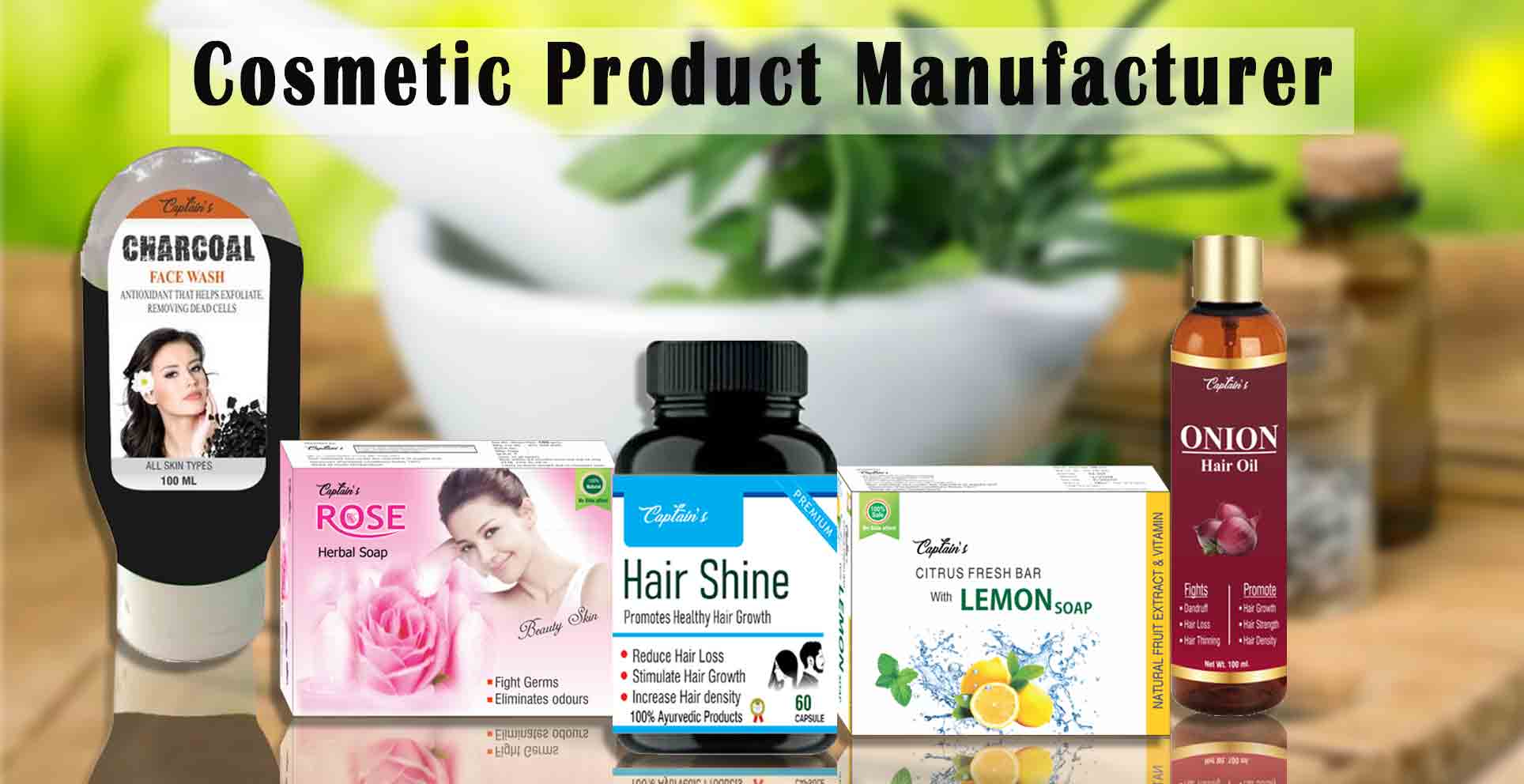
People have their consideration stuck in Ayurvedic items, particularly beautifiers and other skin cares.
In India, the Ayurvedic is blasting for the most recent few years, and the future market of Ayurvedic definitely shoots the chart pretty high.
choosing the best Cosmetic product manufacturer company in India.