There is a subtle but profound shift happening in the mindset of successful e-commerce entrepreneurs. The rookie merchant asks, "What is the best email app?" The veteran merchant asks, "How do I increase my customer retention rate?" The difference in framing is crucial. One focuses on the tool; the other focuses on the outcome. The next generation of app marketplaces are responding to this shift by organizing themselves not around software categories, but around business problems.
This "solution-first" architecture is what makes resources like The Saas Hub so effective. Instead of browsing a list of 500 "Marketing" apps, you browse by objective: "Increase AOV," "Reduce Returns," "Speed Up Checkout." This aligns the technology with your strategic goals. It prevents the "shiny object syndrome" where you install a cool tool that doesn't actually solve a pressing problem for your business.
Let's take "reducing returns" as an example. A traditional search might lead you to a returns management portal. But a solution-focused approach might suggest a sizing chart app (to help customers pick the right size), a high-res video app (to show the product better), and a returns portal. It presents a holistic strategy. It understands that the problem of returns is multifaceted and requires a stack of tools working in harmony, not just a single patch.
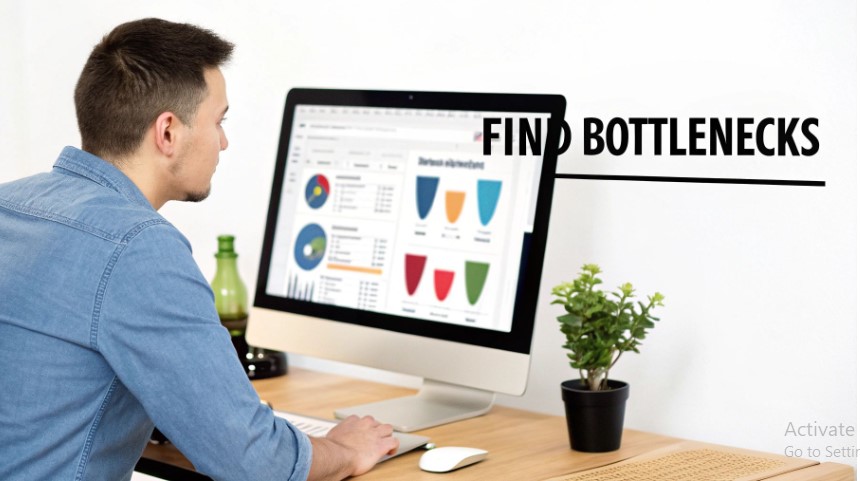
This approach also helps with prioritization. Every business has bottlenecks. Maybe your traffic is high, but your conversion is low. Or your conversion is high, but your lifetime value (LTV) is low. By diagnosing your specific bottleneck, you can use a curated hub to find the "prescription" for that specific ailment. You stop guessing and start treating the root cause. You deploy your limited budget where it will have the maximum impact on your growth metrics.
Furthermore, this strategic view encourages "stack thinking." You stop looking at apps in isolation and start looking at how they fit into your overall ecosystem. Does this new upsell app conflict with my existing bundle app? Will this pop-up annoy customers who are already receiving SMS notifications? A curated environment often provides guidance on these interactions, helping you build a cohesive customer journey rather than a disjointed collection of features.
Education plays a huge role here. The best platforms don't just give you a download link; they give you the playbook. "Here is the app, and here is a 5-step guide on how to use it to generate an extra $10k next month." This context transforms the software from a static utility into a dynamic growth engine. It empowers the merchant to become a strategist, not just an admin.
In the end, technology is just a lever. The longer the lever, the more weight you can move. But you still need to know where to place the fulcrum. By shifting your focus from "apps" to "solutions," and using trusted resources to find the right levers, you gain the power to move mountains. You build a business that is driven by purpose, not just powered by plugins.


When you know something is not right in your life and you like there is this constant negativity present inside you that is bringing you down, the first thing that you do is try to ignore it and it is not just you but many people around the world who do this.
The behavior of ignoring our mental issues emerges from many social stigmas and the right step forward regarding this is to get yourself some help.
If someone near you hire life transformation coach for public events, then you should definitely attend their talk as it will help you in understanding yourself a little better.
The root cause of the problem that is stopping you from achieving your goals can be anything, from your low self-esteem due to your weight or having some issues in your relationship, etc.
But finding the right kind of help is also crucial as these days you will find many advertising themselves as the best relationship problems solving coach services for couples or the best certified life coach services for aspirants, not actually delivering the services that they promise.
Don’t worry this article is to ease some problems of yours.