Search behavior in the travel industry has fundamentally changed. Travelers no longer rely only on traditional Google search results—they ask AI assistants for recommendations, compare destinations conversationally, and expect instant, summarized answers.
This shift has created a new debate for travel brands in 2026:
Should you invest in traditional SEO first, or prioritize GEO (Generative Engine Optimization)?
The answer isn’t “one or the other.” But the order of investment matters—especially if your goal is direct bookings, lower OTA dependency, and sustainable growth.
This guide explains the difference between SEO and GEO, how each impacts travel discovery, and where travel companies should invest first for maximum ROI.
What Is SEO in the Travel Industry?
SEO (Search Engine Optimization) focuses on ranking your website in traditional search engines like Google and Bing for relevant keywords.
For travel companies, SEO typically includes:
- Destination-based keyword targeting (e.g., “Ireland cycling tours”)
- Service and experience pages
- Technical SEO (Core Web Vitals, indexing, mobile UX)
- Local SEO for “near me” and city-based searches
- Content that supports planning and booking decisions
SEO captures intent-driven demand—people actively searching for tours, itineraries, prices, and availability.
In travel, SEO is responsible for:
- Long-term organic traffic
- High-intent visitors ready to book
- Reduced dependency on paid ads and OTAs
What Is GEO (Generative Engine Optimization)?
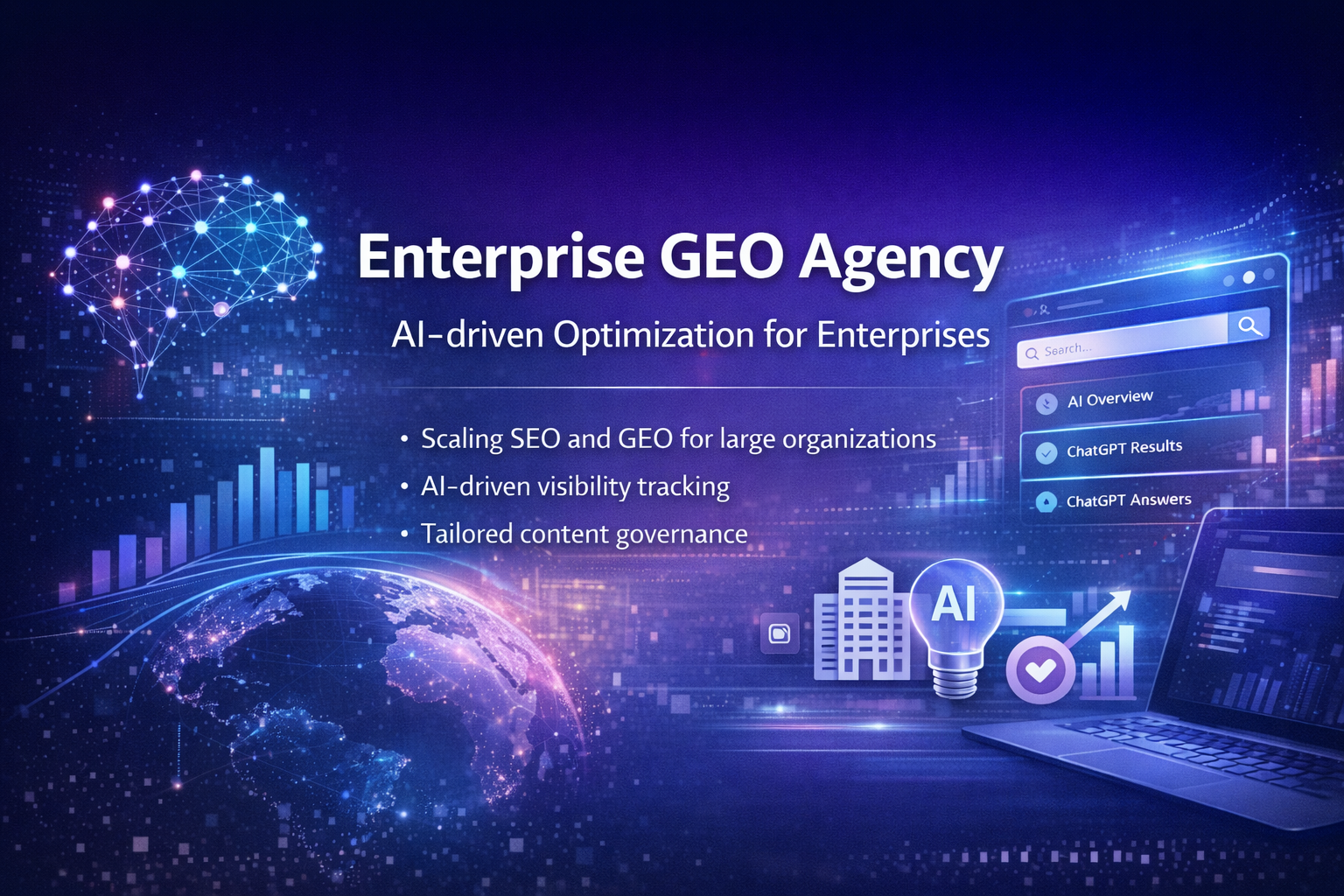
GEO (Generative Engine Optimization) focuses on how your brand appears in:
- AI-generated answers (Google AI Overviews, ChatGPT, Copilot, etc.)
- Conversational search results
- Recommendation-style queries (“best tours in Spain”)
- Summarized destination or itinerary responses
Instead of ranking a webpage, GEO helps ensure:
- Your brand is mentioned, cited, or recommended by AI systems
- Your content is structured so AI can understand and reuse it
- Your business becomes part of AI-driven discovery paths
GEO relies heavily on:
- Structured content and FAQs
- Entity optimization (brand, destinations, experiences)
- Semantic clarity and topical authority
- Trust signals and consistent brand mentions
SEO vs GEO: Key Differences for Travel Brands
- SEO drives direct bookings.
- GEO drives brand preference and assisted discovery.
The Critical Question: Which Should Travel Companies Invest in First?
Short Answer:
SEO first. GEO second. But plan for both from day one.
Here’s why.
Why SEO Must Come First for Travel Companies
1. SEO Builds the Foundation GEO Depends On
AI systems don’t invent authority—they extract it from the web.
If your travel brand:
- Doesn’t rank
- Has thin destination content
- Lacks technical SEO hygiene
- Has poor UX and weak engagement
Then AI engines have nothing credible to pull from.
Strong SEO = the raw material for GEO.
2. SEO Drives Direct, Measurable ROI
Travel SEO directly impacts:
- Booking pages
- Inquiry forms
- Revenue attribution
- Cost per acquisition (CPA)
GEO, today, is mostly assisted influence, not last-click conversion.
If you need:
- Predictable growth
- Revenue accountability
- Reduced OTA commissions
- SEO must be your first investment.
3. SEO Captures High-Intent Demand
Search queries like:
“Book cycling tour Ireland”
“Best guided tours in Scotland”
“Spain self-guided bike tour cost”
These users are ready to buy.
AI discovery is often earlier in the journey—planning, inspiration, comparison.
Travel companies cannot afford to ignore bottom-of-funnel intent.
When GEO Becomes a Priority
GEO should become a parallel investment once:
- Your destination pages are ranking
- Your content is structured and authoritative
- Your technical SEO is stable
- Your booking funnel converts well
At this stage, GEO amplifies reach and protects future visibility.
The Smart Investment Model for Travel Brands (2026)
Phase 1: SEO-First Foundation (Months 0–3)
Focus on:
- Destination + intent-based keyword strategy
- Technical SEO and Core Web Vitals
- Conversion-focused landing pages
- GA4 tracking and assisted conversions
Goal: Direct bookings + demand capture
Phase 2: SEO + GEO Integration (Months 3–6)
Layer in:
- Structured FAQs
- Entity optimization (brand, destinations, experiences)
- Conversational content blocks
- Schema and semantic clarity
Goal: Visibility across search + AI answers
Phase 3: GEO Expansion & Brand Authority (Months 6–12)
Scale:
- Topical authority across destinations
- Brand mentions and citations
- AI-friendly content hubs
- Trust-driven signals
Goal: Influence, preference, and long-term defensibility
What Happens If You Invest in GEO Without SEO?
Travel brands that skip SEO often face:
- No booking attribution from AI traffic
- Weak authority signals
- Inconsistent brand mentions
- High dependency on paid ads and OTAs
GEO without SEO is visibility without control.
What Happens If You Ignore GEO Entirely?
Brands that rely only on traditional SEO risk:
- Losing share of voice in AI answers
- Reduced visibility in discovery-driven journeys
- Being out-positioned by brands with structured content
- SEO alone is still powerful—but SEO + GEO is future-proof.
SEO vs GEO: The Final Verdict for Travel Companies
If you’re deciding where to invest first:
- Start with SEO to drive bookings, revenue, and authority
- Layer GEO early so AI engines understand your brand
- Don’t treat GEO as a replacement for SEO
- Don’t chase AI visibility without conversion foundations
The winners in 2026 will be travel brands that own demand through SEO and influence discovery through GEO.