

When it comes to the health of our children, we often focus on their nutrition, physical activity, and academic progress. However, one aspect that frequently stays on the back burner until a problem arises is oral hygiene. In the leafy and bustling residential pockets of South Pune, parents are becoming increasingly aware of how early habits shape long-term health. Choosing the right path for kids dental treatment in Wanowrie is not just about fixing a toothache; it is about building a foundation where a child feels confident and unafraid of clinical environments.
The transition from milk teeth to permanent ones is a critical phase. Many parents believe that since milk teeth are temporary, they do not require much attention. This is a common misunderstanding. These primary teeth act as placeholders for the adult teeth that follow. If a milk tooth is lost too early due to decay, the surrounding teeth might shift, leading to crowding or alignment issues later in life.
The Changing Landscape of Oral Health for Indian Children
In recent years, the dietary habits of urban Indian children have shifted significantly. With the easy availability of packaged snacks, sticky candies, and sugary beverages, the incidence of early childhood cavities has risen. In a community-focused area like Wanowrie, where families lead busy lives, finding time for a structured dental routine can be challenging.
Why Early Intervention Matters?
Experts suggest that a child should have their first dental interaction by their first birthday. This early start is less about “treatment” and more about “familiarisation.” When a child grows up visiting a dental professional regularly, the “white coat syndrome” or the fear of dentists never really develops. It allows for preventive measures like fluoride application which strengthens the enamel against acid attacks from snacks.
Common Dental Concerns in Growing Kids
- Nursing Bottle Decay: Often seen in toddlers who sleep with a bottle containing milk or juice.
- Thumb Sucking: If this habit persists beyond the age of five, it can change the shape of the jaw.
- Chipped Teeth: Active kids playing in local parks often end up with minor dental injuries.
Modern Approaches to Preventive Care
Preventive care is the cornerstone of modern dentistry for the younger generation. Instead of waiting for a cavity to turn into a painful ordeal, proactive steps can be taken. One of the most effective methods is the use of dental sealants. These are thin, protective coatings applied to the chewing surfaces of the back teeth (molars). Since kids often struggle to reach the very back of their mouths while brushing, sealants act as a shield, preventing food and bacteria from getting stuck in the deep grooves.
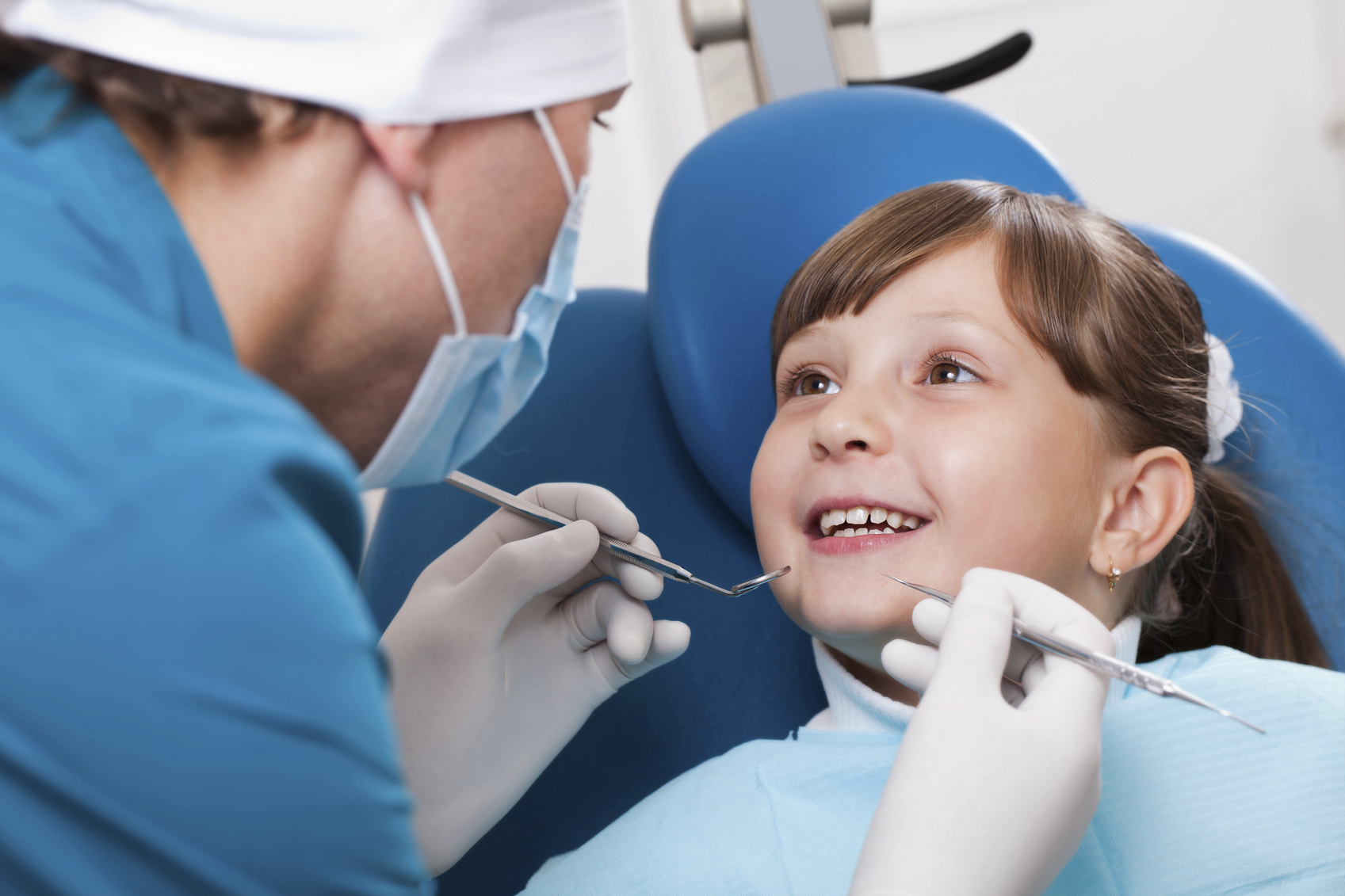
For parents seeking Child dental care in Wanowrie, the focus is often on finding a space that understands child psychology. A child is not just a “small adult.” They require more patience, simpler explanations, and a gentle touch. Techniques like “Tell-Show-Do” are used to explain instruments in a way that sounds like a fun story rather than a scary procedure. For instance, a suction tool might be called a “thirsty straw” that drinks up the water in the mouth.
Fluoride Therapy and Its Benefits
Fluoride is a naturally occurring mineral that helps in remineralizing the tooth surface. In an urban setting, where water sources might not always have the optimal fluoride balance, professional application can be a game-changer. It is a quick, painless process where a gel or varnish is applied to the teeth, making them highly resistant to decay.
Managing Dental Anxiety in Children
It is perfectly normal for a child to feel a bit nervous before a visit. However, as parents, our reaction often dictates theirs. Avoid using words like “pain,” “injection,” or “drill.” Instead, talk about how the visit will make their teeth “shiny and strong.”
Creating a Positive Environment
The environment plays a huge role in how a child perceives health check-ups. A space designed with bright colours, toys, or even ceiling-mounted screens showing cartoons can significantly lower stress levels. When children are relaxed, they are more cooperative, which leads to better clinical outcomes and shorter appointment times.
The Role of Habit Counselling
Sometimes, the issues are not just about what a child eats, but what they do. Habit counselling is a vital part of pediatric oral health. Whether it is mouth breathing, tongue thrusting, or prolonged pacifier use, these habits can alter the development of the facial structure. Addressing these early on with the help of a best dentist in Wanowrie can often prevent the need for complex orthodontic treatments (braces) when the child reaches their teenage years.
FAQs About Pediatric Dental Health
1. At what age should I start brushing my child’s teeth? You should start cleaning your baby’s gums with a soft, damp cloth even before the first tooth appears. Once the first tooth erupts, usually around six months, you can start using a tiny smear of fluoride toothpaste and a very soft brush.
2. Are dental X-rays safe for my child? Yes, modern digital X-rays use very low levels of radiation and are considered safe. They are essential for seeing what is happening beneath the surface, such as how permanent teeth are forming or if there is decay between the teeth that isn’t visible to the naked eye.
3. My child has a “double tooth” (two teeth in one spot). Is this normal? This often happens when a permanent tooth starts coming in before the milk tooth has fallen out. It is quite common and usually resolves on its own as the milk tooth loosens, but a quick check-up is recommended to ensure the permanent tooth has enough space.
4. How can I prevent cavities if my child loves sweets? It is not just about what they eat, but how often. If they eat a sweet, it is better to have it with a meal rather than as a standalone snack. Encourage them to rinse their mouth with water immediately after eating something sugary or sticky.
5. What should I do if my child knocks out a permanent tooth? This is a dental emergency. Keep the tooth moist by placing it in a small container of milk or the child’s own saliva. Do not scrub the root. Get to a dental professional immediately, as the tooth has the best chance of being saved if replaced within an hour.
6. Are tooth-coloured fillings better than silver ones for kids? Tooth-coloured (composite) fillings are very popular because they blend in naturally and require less removal of the healthy tooth structure. They are safe, durable, and perfect for maintaining a child’s natural-looking smile.
Conclusion
Investing in your child’s oral health is a gift that lasts a lifetime. By prioritising regular check-ups and being mindful of home-care routines, you ensure that your little one grows up with a healthy, pain-free smile. Whether it is a routine cleaning or specialized kids dental treatment in Wanowrie, the goal is always to keep those pearly whites shining bright. Remember, a positive experience today builds a responsible adult who values their health tomorrow.