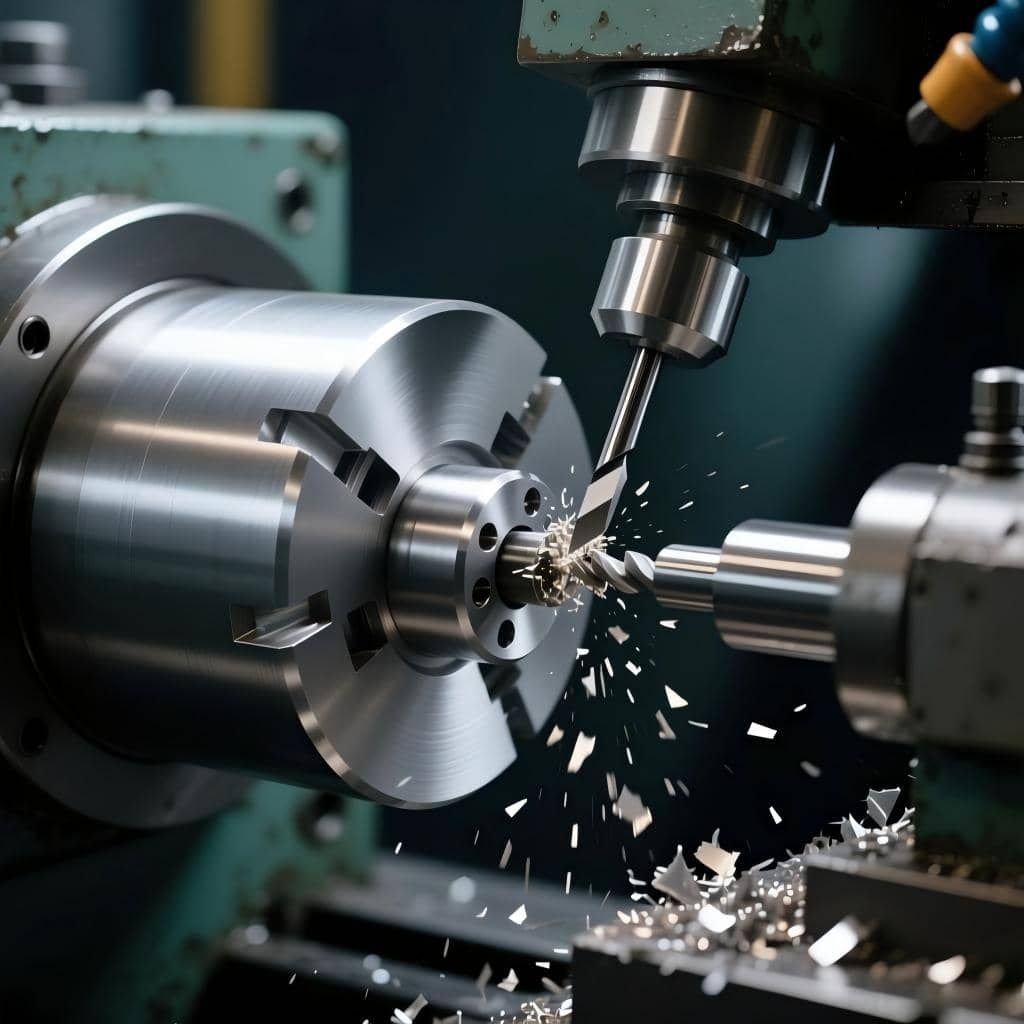
The CNC turning process is remarkably versatile, capable of machining a wide array of materials, from soft plastics like nylon to super-alloys like titanium. However, a one-size-fits-all approach does not work in precision machining. Each material has unique properties—hardness, abrasiveness, thermal conductivity—that demand specific machining strategies. This article explores how the cnc turning process and its underlying cnc turning g code must be adapted to optimize results for different materials.
The foundational principles of G-code remain constant, but key parameters within the program must be tailored. As evidenced by JTR Machine's material list (Link 2), which includes aluminum, steel, stainless steel, copper, and various plastics, a successful machine shop must master these adjustments. For instance, machining aluminum (a soft, free-machining material) allows for high spindle speeds and feed rates. The G-code program would use commands like G96 (constant surface speed) with a high "S" value to maximize efficiency and achieve a fine surface finish.
In contrast, machining stainless steel or titanium requires a completely different approach. These materials are tougher and generate significant heat. The cnc turning g code program would need to specify much lower speeds and feed rates to prevent excessive tool wear and work hardening. Coolant application (often controlled by M-codes like M08) becomes critical and must be properly coordinated in the program. The tool path itself, governed by the linear and circular interpolation commands (G01, G02, G03), might need to be adjusted to ensure a consistent chip load, preventing damage to the tool and the workpiece.
Furthermore, the application of tool compensation codes like G41 and G42 remains essential across all materials, but the effectof a correct application is even more noticeable in challenging materials. An improperly compensated toolpath in aluminum might cause a minor dimensional error. The same error when turning titanium could lead to rapid tool failure, scrapped parts, and costly downtime. The precise control offered by this cnc turning g code ensures the tool engages the material optimally, managing cutting forces and heat generation more effectively.
In conclusion, the CNC turning process is not a rigid procedure but a flexible one, guided by the intelligence embedded in its G-code program. The expertise of a machining provider like JTR lies not only in their advanced equipment but also in their deep understanding of how to craft the cnc turning g code for each specific material. By meticulously adjusting speeds, feeds, toolpaths, and coolant commands, they can harness the full potential of the CNC turning process for any material, guaranteeing high-quality results whether the order is for rapid prototypes in plastic or mass-produced components in high-strength steel.