In the ever-evolving world of energy and resource management, maximizing output while minimizing environmental impact has become a top priority. As traditional oil extraction methods reach their economic and physical limitations, industry professionals and policymakers alike are turning their attention to more advanced, sustainable, and cost-effective techniques. At the forefront of this revolution is Enhanced Oil Recovery (EOR)—a powerful set of technologies that not only extends the lifespan of oil reservoirs but also significantly boosts production efficiency.
At Shandong UPS Chemical Co., Ltd., we recognize the critical importance of Enhanced Oil Recovery in shaping the future of global energy production. Our innovative chemical solutions and in-depth application knowledge support EOR projects worldwide, helping clients unlock vast amounts of oil previously deemed unrecoverable.
What Is Enhanced Oil Recovery?
Enhanced Oil Recovery (EOR) refers to a set of advanced techniques used to extract additional oil from a reservoir beyond what can be recovered through primary and secondary methods. Typically, a traditional oil field yields only about 20-30% of the original oil in place (OOIP). With EOR, that recovery rate can be boosted to 60% or more—making otherwise uneconomical fields profitable again.
EOR works by modifying the properties of the oil, the flow characteristics, or the reservoir rocks to improve oil displacement and flow towards production wells.
The Three Stages of Oil Recovery
To understand Enhanced Oil Recovery, it’s important to briefly review the three phases of oil extraction:
- Primary Recovery: Utilizes the natural pressure of the reservoir or pumps to extract oil, typically yielding about 5-15% of OOIP.
- Secondary Recovery: Involves methods like water flooding or gas injection to maintain pressure, increasing recovery to about 30%.
- Tertiary Recovery or Enhanced Oil Recovery: Uses advanced techniques to alter reservoir characteristics and extract the remaining oil.
Why Enhanced Oil Recovery Is Essential Today?
With the rapid depletion of easily accessible oil reserves and rising global energy demand, Enhanced Oil Recovery has emerged as a critical tool. EOR helps meet current consumption trends while optimizing existing resources, reducing environmental footprints, and lowering development costs compared to new field exploration.
Key drivers for EOR adoption include:
- Mature oil fields nearing the end of their lifecycle
- Need for maximizing asset value
- Stricter environmental regulations
- Fluctuating oil prices impacting profitability
Main Techniques in Enhanced Oil Recovery
Enhanced Oil Recovery techniques fall into three broad categories, each tailored to specific reservoir characteristics and oil types.
A. Thermal Recovery
Thermal EOR methods increase the temperature within the reservoir to reduce oil viscosity and improve flow. Common methods include:
- Steam Injection
- In-Situ Combustion
- Cyclic Steam Stimulation
Best suited for heavy oil reservoirs, thermal EOR can recover up to 60% of OOIP.
B. Gas Injection
Gases are injected to either maintain pressure or dissolve in the oil to enhance mobility. Types include:
- CO₂ Injection
- Nitrogen or Natural Gas Injection
- Miscible and Immiscible Gas Drive
Gas injection works well in light oil reservoirs with deep formations.
C. Chemical EOR
This method involves injecting chemicals into the reservoir to alter surface tension, improve fluid dynamics, or change rock wettability.
- Surfactants: Reduce oil-water surface tension.
- Polymers: Improve sweep efficiency by increasing water viscosity.
- Alkalines: React with the oil to form soaps in-situ.
Chemical EOR is where Shandong UPS Chemical Co., Ltd. excels—offering cutting-edge chemical solutions tested and proven across geologically diverse reservoirs.
Chemical EOR and the Role of Shandong UPS Chemical Co., Ltd.
At Shandong UPS Chemical Co., Ltd., we specialize in developing high-performance chemicals specifically for Enhanced Oil Recovery applications. Our product line includes advanced anionic and cationic polymers, surfactant blends, and alkali agents that optimize oil displacement and increase overall field recovery.
Key Features of Our EOR Chemicals:
- High thermal and salinity tolerance
- Long shelf life and stability
- Efficient performance at low concentrations
- Cost-effective implementation
We also provide comprehensive lab testing, reservoir evaluation, and field support to help clients achieve optimal deployment.
Lewis Zhao, Senior EOR Specialist at Shandong UPS Chemical, explains:
“Our tailored chemical solutions are designed not just for performance, but also for environmental safety and cost efficiency. We work closely with engineers to fine-tune EOR strategies based on detailed reservoir analysis.”
Economic and Environmental Benefits of Enhanced Oil Recovery
Beyond enhancing oil output, EOR offers significant economic and environmental advantages:
Economic Benefits:
- Boosts productivity from existing fields
- Reduces exploration and drilling costs
- Improves long-term project economics
- Extends life of oil assets
- Environmental Benefits:
- Reduces land disturbance from new drilling
- Lowers carbon footprint per barrel
In the case of CO₂ EOR, allows CO₂ sequestration—a climate-positive strategy
Challenges in Enhanced Oil Recovery
While EOR offers numerous advantages, there are challenges stakeholders must consider:
- High initial investment costs
- Chemical incompatibility with certain rock formations
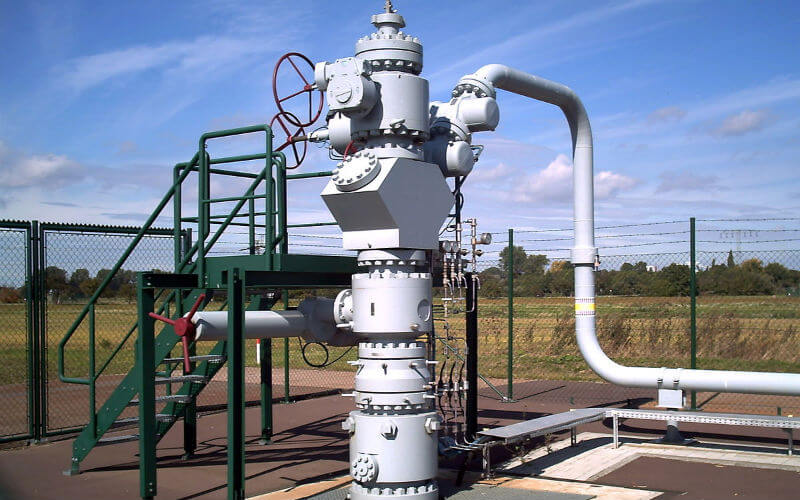
- Complex injection and monitoring infrastructure
- Risk of scaling or plugging in the reservoir
- Regulatory hurdles, particularly for CO₂ transport and usage
At Shandong UPS Chemical, we navigate these challenges through advanced R&D, real-time monitoring solutions, and customized formulations.
Future Trends in EOR Technology
Enhanced Oil Recovery is constantly evolving. Here are some key trends shaping the future:
- Low-salinity water flooding combined with polymers for better sweep
- Nanotechnology-enhanced surfactants and polymers
- Smart chemical tracing for real-time EOR monitoring
- Machine learning and AI for predictive reservoir modeling
- Environmentally friendly, biodegradable chemicals
Shandong UPS Chemical is actively investing in R&D projects that align with these innovations, ensuring our clients stay ahead of the curve.
How to Choose the Right EOR Method for Your Reservoir?
Choosing the right Enhanced Oil Recovery method involves various factors:
- Reservoir temperature and pressure
- Oil viscosity and gravity
- Rock porosity and permeability
- Water salinity and chemistry
- Economic constraints and ROI analysis
Our experts at Shandong UPS Chemical work with clients through detailed reservoir simulations, core flooding tests, and field trials to determine the most suitable EOR strategy.
As global demand for oil continues while the energy industry transitions toward more sustainable practices, Enhanced Oil Recovery provides a critical bridge to balance economic and environmental goals. With innovative technology and customized formulations, Enhanced Oil Recovery is changing the narrative on oil production—making old wells productive again, extending field life, and optimizing resource usage.

FAQs
Q1: How does Enhanced Oil Recovery differ from hydraulic fracturing?
A: EOR focuses on extracting the remaining oil from existing reservoirs, while hydraulic fracturing creates new pathways in rocks to release oil and gas from tight formations like shale.
Q2: How much more oil can EOR extract?
A: EOR can increase the recovery factor to as much as 60% of the original oil in place, compared to 20-30% with conventional methods.
Q3: Is EOR environmentally sustainable?
A: Yes—especially CO₂ EOR and chemical methods that help reduce emissions per barrel and extend the lifecycle of existing fields, thereby limiting the need for new drilling.
Q4: What types of fields benefit most from EOR?
A: Mature oil fields nearing depletion, heavy oil reservoirs, and unconventional resources often benefit significantly from EOR techniques.
Q5: How does Shandong UPS Chemical support EOR projects?
A: We provide tailored chemical solutions (polymers, surfactants, alkalis), conduct lab and field testing, and offer ongoing technical support for successful EOR implementation.
Q6: Are polyacrylamide polymers safe for the environment?
A: When used as directed, they are considered environmentally safe. Shandong UPS Chemical also develops biodegradable and green-certified alternatives for environmentally sensitive zones.