


Enterprise CRM initiatives rarely fail because of technology, they fail due to poor planning, fragmented execution, and lack of long-term vision. Salesforce is powerful, but without a structured approach, organizations often underutilize its capabilities.
That’s where a well-defined Salesforce consulting framework becomes essential. Instead of treating implementation as a one-time project, leading enterprises adopt a lifecycle-based consulting model that aligns CRM with business strategy, operational workflows, and future growth.
This guide explores a practical, end-to-end Salesforce consulting framework designed to help enterprises move from disconnected processes to a unified, high-performing ecosystem.
Why Enterprises Need a Structured Salesforce Consulting Strategy
Large organizations operate across multiple departments, geographies, and data environments. Deploying Salesforce without a clear Salesforce consulting strategy can result in:
- Data silos
- Low user adoption
- Integration bottlenecks
- Reporting inconsistencies
- Escalating operational costs
A structured framework ensures technology decisions support measurable business outcomes.
Example:
A manufacturing enterprise expanded globally but struggled with fragmented customer data across regions. After adopting a consulting-led framework, they centralized CRM operations, improved forecast accuracy by 32%, and reduced manual reporting significantly.
The takeaway? Strategy determines whether Salesforce becomes a growth engine or just another system.
Core Pillars of an End-to-End Salesforce Consulting Framework
Successful frameworks typically follow a phased yet flexible approach. Each stage builds upon the previous one, reducing risk while accelerating value realization.
1. Discovery and Business Alignment
Before configuring anything, experienced Salesforce experts focus on understanding the organization’s operational DNA.
This phase involves:
- Stakeholder interviews
- Process mapping
- Technical environment audits
- Gap analysis
- KPI identification
Rather than forcing Salesforce into existing workflows, consultants identify opportunities to modernize them.
Case Insight:
A SaaS provider discovered that 40% of sales reps’ time was spent updating spreadsheets. By redesigning workflows during discovery, they automated pipeline tracking entirely within Salesforce.
2. Architecture Design for Scalability
Enterprise systems must support growth without constant re-engineering. Architecture decisions made early can either enable agility or create technical debt.
Key considerations include:
Multi-Cloud Strategy
Align Sales Cloud, Service Cloud, and Marketing platforms under a unified data model.
Integration Blueprint
Define how Salesforce will interact with ERP, analytics tools, and third-party applications.
Governance Model
Establish permission structures and compliance protocols from the start.
Organizations leveraging professional Salesforce Consulting Services often outperform competitors because they design for scale not just immediate needs.
3. Intelligent Implementation (Beyond Basic Configuration)
Implementation should never be reduced to object creation and field mapping. Modern enterprises require automation, intelligence, and usability.
High-impact implementation focuses on:
- Workflow automation
- AI-driven insights
- Role-based dashboards
- Mobile optimization
- Advanced reporting
Comparison Insight:
Companies that prioritize usability during implementation typically see adoption rates above 80%, while poorly designed systems struggle to cross 50%.
Execution matters as much as strategy.
4. Data Migration Without Disruption
Data is the backbone of CRM success, yet migration remains one of the most underestimated challenges.
A mature framework emphasizes:
- Data cleansing before transfer
- Deduplication rules
- Validation testing
- Phased migration
- Backup protocols
Real Example:
A financial services firm migrated nearly two million records by running parallel systems for two weeks. This minimized operational risk and ensured accuracy before full cutover.
Clean data fuels reliable insights and reliable insights drive confident decisions.
5. Integration That Enables a Connected Enterprise
Disconnected systems force teams into manual workarounds, defeating the purpose of CRM transformation.
Strategic integrations commonly include:
- ERP platforms for financial visibility
- Marketing tools for campaign tracking
- Customer support systems
- Analytics engines
When executed correctly, integrations transform Salesforce into a single source of truth.
Think less about syncing tools more about orchestrating experiences.
6. Change Management and User Adoption
Even the most advanced CRM fails if employees resist using it.
Forward-thinking organizations treat adoption as a strategic initiative rather than an afterthought.
Effective methods include:
- Role-specific training
- Executive sponsorship
- Feedback loops
- Incentive-driven usage
Simplified interfaces
Insight:
Enterprises that invest in structured onboarding see productivity improvements nearly twice as fast as those relying on self-learning.
Technology succeeds when people embrace it.
7. Continuous Optimization and Innovation
The strongest Salesforce consulting framework doesn’t end at deployment - it evolves.
Post-launch priorities should include:
- Performance monitoring
- Feature enhancements
- Security reviews
- Automation expansion
- Quarterly roadmap planning
As markets shift, your CRM must adapt just as quickly.
Many enterprises establish long-term advisory relationships with Salesforce experts to ensure their platform keeps pace with innovation.
Common Pitfalls Enterprises Should Avoid
Even well-funded projects can derail without disciplined governance.
Watch for these warning signs:
- Over-customization that complicates upgrades
- Lack of documentation
- Ignoring technical debt
- Reactive scaling
- Minimal executive involvement
Framework-driven consulting helps organizations avoid these traps while maintaining strategic clarity.
Measuring the Impact of a Consulting-Led Approach
A strong framework delivers tangible results not just technical improvements.
Typical enterprise outcomes include:
- Faster sales cycles
- Improved customer retention
- Higher forecasting accuracy
- Reduced operational overhead
- Stronger cross-team collaboration
CRM should function as a revenue enabler, not merely a reporting tool.
The Future of Enterprise Salesforce Consulting
Consulting is shifting from reactive support toward proactive transformation.
Emerging priorities include:
- AI-powered forecasting
- Predictive service models
- Hyperautomation
- Real-time analytics
- Composable architecture
Enterprises that embrace a lifecycle-based Salesforce consulting strategy position themselves to capitalize on these advancements rather than scramble to catch up.
The question is no longer whether you need consulting but how strategic your approach will be.
Conclusion: Building a Foundation for Long-Term CRM Success
An effective end-to-end Salesforce consulting framework connects strategy, architecture, execution, and optimization into a cohesive journey. It reduces risk, accelerates ROI, and ensures your CRM evolves alongside your business.
Enterprises that treat Salesforce as a strategic platform rather than a standalone tool consistently outperform competitors in customer experience and operational efficiency.
Partnering with a Trusted Salesforce Consulting Partner gives organizations the clarity and expertise needed to navigate complexity while unlocking the platform’s full potential.
Because true enterprise success isn’t driven by software alone - it’s driven by the strategy behind it.
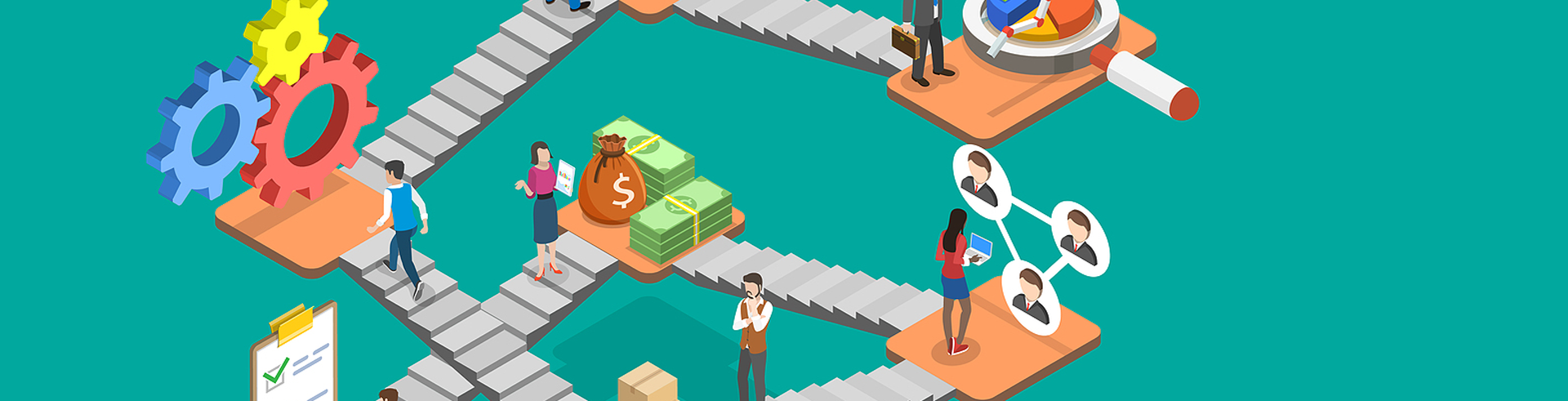


COVID-19 has unfolded the secret to digitalization for the business across the globe.
Let's find out how and why #DigitalTransformation is going to be a major trend amid the pandemic.Learn More at : Technology Solutions.