

Modern living spaces are no longer just about furniture and décor — they are about experience, comfort, and identity. Today’s homes reflect lifestyle, personality, and the way people want to feel in their environment. This is where professional interior designers play a powerful role. They take ordinary spaces and turn them into thoughtful, functional, and visually appealing environments that truly enhance daily life.
Understanding Modern Living Needs
Modern homeowners expect more from their spaces than ever before. Open layouts, multipurpose rooms, natural light, and a seamless blend between work and relaxation areas are now common expectations. Interior designers begin by understanding how people use their homes — whether it’s entertaining guests, working remotely, or creating peaceful retreats from busy routines. Instead of focusing only on decoration, designers look at how space flows and how each area supports the homeowner’s lifestyle.
From Vision to Concept
The transformation process usually starts with a clear concept. Designers evaluate the architecture, natural lighting, and existing structure before suggesting changes. Mood boards, layouts, and design plans help visualize how the final space will look and function. This stage is important because it connects the client’s personal taste with professional design expertise. By balancing aesthetics with practicality, designers ensure that the space will remain functional and timeless.
Smart Use of Space and Layout
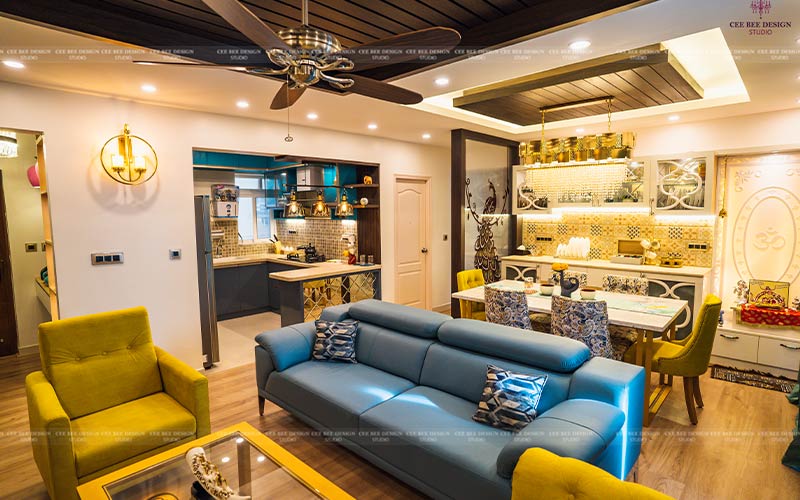
One of the biggest transformations happens through layout planning. Modern homes often require flexible arrangements that can adapt to changing needs. Designers might open up walls to create larger living areas or introduce zoning techniques using lighting, textures, and furniture placement. The goal is to make every square foot purposeful without making the home feel crowded. Thoughtful placement of furniture can improve movement within the space and make even small areas feel spacious.
Materials, Textures, and Finishes
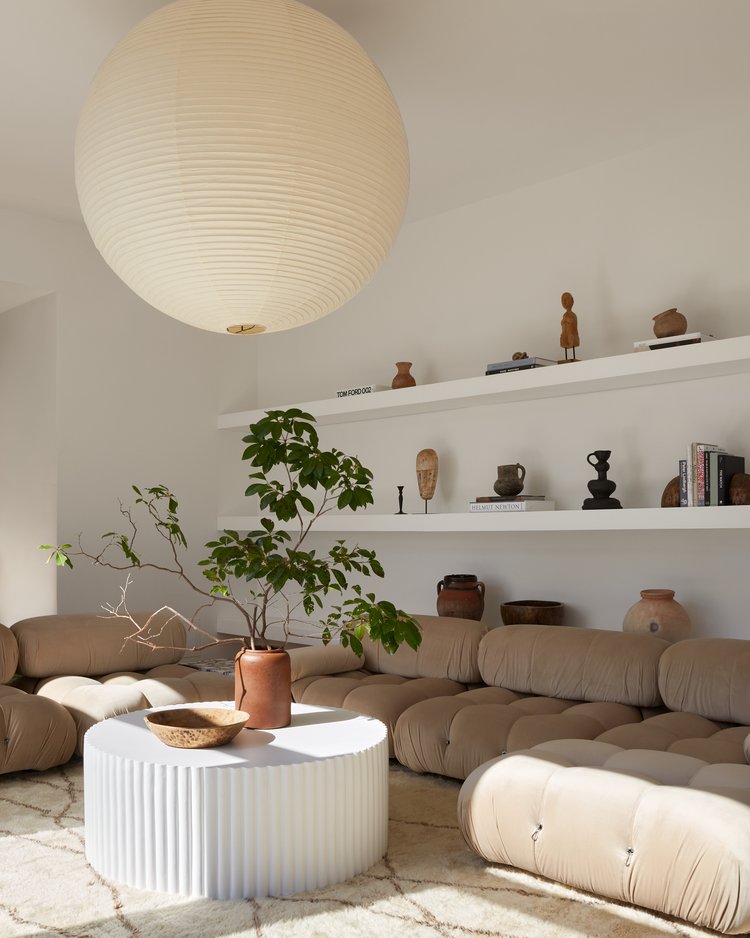
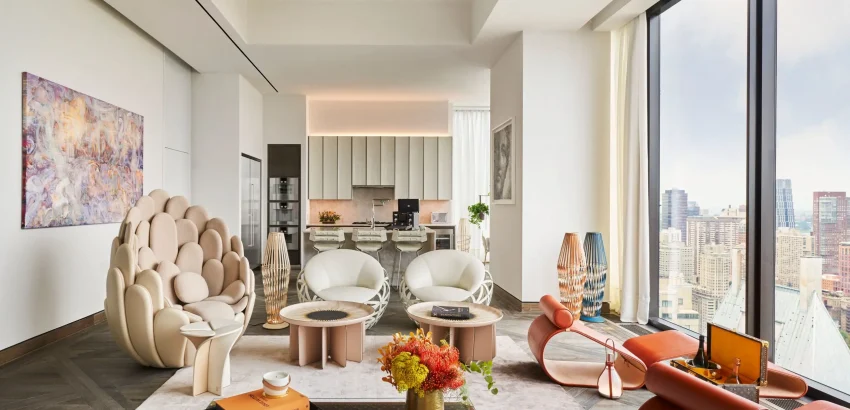
High-quality materials play a big role in modern interior design. Designers carefully select textures and finishes that enhance both durability and style. Natural materials like stone, wood, and metal are commonly used to create warmth and elegance. Mixing different textures — such as soft fabrics with sleek surfaces — adds visual depth and keeps the space interesting without overwhelming it. Attention to detail in finishes often makes the difference between a simple room and a refined living environment.
Lighting as a Design Element
Lighting is more than just illumination — it shapes mood and functionality. Interior designers use a combination of natural and artificial lighting to highlight architectural features and create inviting atmospheres. Layered lighting, including ambient, task, and accent lights, ensures that spaces feel comfortable at any time of day. Well-planned lighting can make rooms feel larger, warmer, and more welcoming.
Personalization and Identity
A modern home should feel unique to its owner. Designers often incorporate custom furniture, curated art pieces, and personalized décor elements that reflect the homeowner’s personality. This approach ensures that the space feels authentic rather than generic. For example, designers may integrate cultural influences, travel memories, or personal collections into the design to create a strong emotional connection with the space.
Technology and Modern Comfort
Technology has become an essential part of modern living. Interior designers now consider smart home systems, energy-efficient solutions, and sustainable materials when planning spaces. Automated lighting, climate control, and integrated entertainment systems can be seamlessly included without disrupting the aesthetic of the home. These features improve comfort while maintaining a clean and modern design.
The Role of Experience and Creative Direction
Professional guidance helps homeowners avoid costly mistakes and achieve cohesive results. Experienced designers understand how to balance proportions, color schemes, and textures to create harmony throughout a home. For instance, renowned designers like Rita Chraibi are known for blending elegance with functionality, showing how thoughtful design decisions can elevate everyday living without overwhelming the space.
A Lasting Transformation
Ultimately, modern interior design is about improving quality of life. A well-designed home can influence mood, productivity, and relaxation. Even subtle changes — such as better lighting, improved layout, or upgraded materials — can transform how a space feels and functions. When working with a luxury interior desinger, the process often goes beyond decoration to include strategic planning and long-term vision for the home.
Conclusion
Transforming modern living spaces requires creativity, planning, and a deep understanding of how people live today. Interior designers bring together architecture, technology, and personal style to create homes that are both beautiful and practical. From concept development to final touches, every detail plays a role in shaping a space that feels comfortable, inspiring, and uniquely personal. As modern lifestyles continue to evolve, the importance of thoughtful interior design will only grow, helping homeowners create spaces that truly reflect the way they want to live.