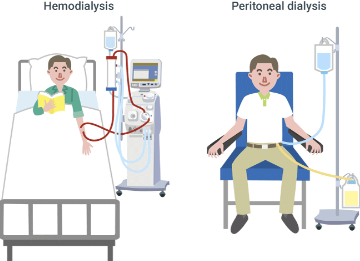


Kidney problems are becoming more common than they used to be. Lifestyle modifications, coupled with chronic illnesses such as diabetes and hypertension, have exposed several individuals to health challenges related to the kidneys. Once the kidneys stop functioning as they should, patients often require ongoing medical care to remain healthy. Under these circumstances, dialysis is a required therapy that helps the body eliminate waste products and excess fluids that the kidneys are unable to filter on their own.
But dialysis concerns more than just machines and equipment. The sessions require highly trained health care professionals who prepare the equipment, monitor patients and ensure nothing goes haywire. Due to the need for continuous patient care during dialysis, hospitals and treatment centres are turning to qualified renal care professionals.
This increased demand has brought specialised programmes like the BSc Dialysis Therapy Technology course into focus. It prepares learners to handle real healthcare tasks and support patients who depend on dialysis.
Why Dialysis Therapy Professionals Are in High Demand
The number of patients requiring regular dialysis has increased steadily across hospitals and specialised treatment centres. Healthcare institutions now rely heavily on trained technologists to efficiently manage dialysis units. Unlike general healthcare roles, dialysis therapy requires focused technical knowledge combined with patient centric care.
As hospitals expand renal departments and standalone dialysis centres grow in urban and semi urban areas, the demand for qualified professionals continues to rise. This demand is not seasonal or short term, making dialysis technology a stable and long lasting career option within the allied health sciences field.
Role of a Dialysis Therapy Technologist in Patient Care
The responsibilities of a dialysis therapy technologist primarily involve patient care. They not only work with machines but do so constantly, under constant monitoring and coordination.
During a typical dialysis session, technologists ensure safety, accuracy and patient comfort while applying the clinical knowledge gained through the BSc Dialysis Therapy Technology course. Preparation of equipment, patient tracking and coordination with medical teams to facilitate effective care delivery are among their responsibilities.
Their responsibilities often include-
- Preparing and calibrating dialysis machines before treatment
- Monitoring patients’ vital signs during procedures
- Helping the doctors and nurses to deal with complications
- Maintaining strict infection control and hygiene standards
- Responding quickly to emergencies during dialysis sessions
Because patients undergo dialysis repeatedly, technologists also build strong professional relationships, which improves patient confidence and overall care quality.
What Is the BSc Dialysis Therapy Technology Course?
The BSc Dialysis Therapy Technology is an undergraduate course which aims to equip students with the skills in renal and dialysis processes. It is a combination of classroom and substantial clinical exposure. The BSc Dialysis Technology syllabus covers kidney anatomy and physiology, dialysis principles and medical ethics. It also focuses on practical training in the use of dialysis equipment. The majority of the programmes last between three and four years and comprise internships in hospitals or dialysis centres.
Career Roles After Completing the Course
Graduates of this course can explore several healthcare roles depending on their training and experience. Some common careers include dialysis technician, renal care technician and clinical dialysis assistant. Most of them are employed in multispecialty hospitals, dialysis centers and speciality renal clinics. Others advocate home dialysis, which is becoming an acceptable method of long term patient care. With experience, professionals can assume supervisory duties in dialysis departments or shift to training and technical coordination roles.
Salary Growth and Career Progression
Salary growth in dialysis therapy technology depends on experience, workplace setting and level of responsibility. As professionals gain hands-on exposure and clinical confidence, their earning potential and career scope gradually expand. This field offers steady progression rather than sudden fluctuations.
- Entry level roles offer stable starting salaries in hospitals and dialysis centres
- Earnings increase with 1–3 years of practical clinical experience
- Multispecialty hospitals and advanced dialysis units provide better pay scales
- Home dialysis and critical care exposure improve career value
- Senior roles include lead technologist or dialysis unit supervisor
- Higher studies and certifications support long term professional growth
Who Is Best Suited for This Career?
This career path suits students with a science background who are interested in clinical work and patient interaction. It would best suit those people who place importance on accountability, accuracy and collaboration within healthcare facilities. Dialysis therapy technology can be particularly gratifying to those who want a consistent career and positive patient outcomes.
Conclusion
In contemporary healthcare, the services of trained professionals are important for the provision of vital therapeutic procedures, such as dialysis. The BSc Dialysis Therapy Technology course prepares students to handle this obligation with competence and confidence. By applying technical abilities and a caring attitude, these professionals enhance patient outcomes and pursue a secure, purpose-driven healthcare profession.