




In the world of search engine optimization (SEO), ranking high in Google and other search engines depends on multiple factors — from the quality of your on-page content to the strength of your backlink profile. While on-page SEO focuses on optimizing elements within your website, off-page SEO refers to activities outside your own domain that influence how search engines perceive your site’s authority, relevance, and trustworthiness.In simple terms, off-page SEO includes all strategies and techniques used to improve a website’s position in search engine results by building authority, trust, and popularity across the web. This comprehensive approach is essential for building long-lasting organic visibility because search engines like Google rely heavily on external signals — such as backlinks, social shares, and brand mentions — when evaluating a site’s credibility and ranking potential.In this guide, we’ll dive deep into what off-page SEO is, why it matters, the key strategies involved, and how you can implement an effective off-page SEO plan to boost your organic rankings and grow your online presence.Why Off-Page SEO Matters
Although technical SEO and on-page optimization play an important role in making your content crawlable and relevant, off-page SEO is what helps search engines trust and validate that content. Google’s algorithms assess the quality and quantity of signals coming from outside your website — such as backlinks from reputable sources, social engagement, and online mentions — to determine whether your site deserves to be shown to users for relevant search queries.Consider this example: Two websites may have equally optimized content for a particular keyword, but if one has more high-quality backlinks and a stronger online presence, it is likely to outrank the other in search results. This is because external signals demonstrate that authoritative websites and users endorse that content.Here’s why off-page SEO is crucial:
Improves Domain Authority: External links from reputable sites help increase your domain’s overall authority.
Boosts Search Rankings: Search engines view natural backlinks as votes of confidence, which can help push your content higher in the Search Engine Results Pages (SERPs).
Increases Referral Traffic: Links and mentions from other sources can drive direct traffic to your site.
Enhances Credibility and Brand Recognition: Being featured or cited on trusted platforms builds trust among users and search engines alike.Off-page SEO is not a one-time effort — it’s an ongoing process that requires strategic planning and consistent execution.Core Components of Off-Page SEO
Off-page SEO includes multiple elements, each playing a role in establishing your website’s authority and relevance online. Here are the primary components:1. Backlinks (Link Building)Backlinks are the backbone of off-page SEO. They are links from external domains pointing back to your site. Search engines treat each backlink as a vote of confidence — the more high-quality backlinks you earn, the more trustworthy and authoritative your site appears.However, not all backlinks are equal. Quality matters far more than quantity. A single backlink from a high-authority website in your niche can be more valuable than dozens of links from low-quality or unrelated sites.Types of high-quality backlinks include:
Editorial links from reputable websites
Guest post links from authoritative blogs
Backlinks from industry publications
Resource page links
Natural mentions linked back to your siteOff-page SEO is largely about earning these high-value backlinks through strategic content promotion, outreach, and relationship building.2. Social SignalsSocial signals refer to the visibility and engagement your content receives on social media platforms such as Facebook, LinkedIn, Twitter, Instagram, and Pinterest. Although social shares don’t directly affect search rankings as strongly as backlinks, active social engagement amplifies your content’s reach, increases its chances of being discovered by influencers, and indirectly leads to more backlinks and brand visibility.Examples of social signals include:
Likes, shares, and retweets
Comments and discussions
Content mentions with URLs
Social bookmarkingBoosting social engagement helps search engines recognize that your content resonates with real users, which can indirectly contribute to improved rankings.3. Brand MentionsBrand mentions are references to your brand or website name online — even if they don’t include a direct link. Search engines consider unlinked brand mentions as trust signals because they show that your brand is being talked about, cited, or discussed on authoritative sites or platforms.There are two types of brand mentions:
Linked mentions: Brand mentions accompanied by a backlink
Unlinked mentions: Mentions without a hyperlink, which can still influence SEO indirectlyMonitoring and encouraging brand mentions across blogs, news sites, forums, and social media platforms strengthens your off-page SEO footprint.4. Content Marketing & PromotionPublishing high-quality, valuable content is fundamental to attracting off-site interactions. This includes blog posts, infographics, videos, podcasts, guides, and research reports. However, content must also be promoted actively to attract backlinks and social engagement.Effective content promotion tactics include:
Outreach to influencers and bloggers
Email newsletters featuring your content
Sharing content on industry communities and groups
Syndication on relevant platformsWhen your content reaches a broader audience, it increases the likelihood of earning backlinks and social visibility.5. Guest Blogging & OutreachGuest blogging is a mutually beneficial off-page SEO strategy where you contribute articles to other reputable websites in exchange for backlinks and increased exposure. Quality guest posts not only earn you links but also help you build credibility in your niche.Best practices for guest blogging:
Target blogs with relevant audiences and high domain authority
Provide unique, insightful content
Include natural, contextual backlinks to your site
Personalize outreach messages to blog ownersStrategic outreach builds relationships, grows visibility, and creates more opportunities for quality backlinks.6. Influencer Marketing & CollaborationsCollaborating with influencers, industry experts, and thought leaders can lead to valuable backlinks, mentions, and audience exposure. Influencers often have large established networks that can drive referral traffic and increase shareability of your content.Ways to leverage influencer marketing:
Request product or content reviews
Conduct expert roundup posts
Co-create content and joint webinars
Invite influencers to contribute to your blogInfluencer collaborations align your brand with trusted voices in the industry.How Off-Page SEO Helps Your Rankings
Off-page SEO helps search engines determine whether your content and website deserve prominence on SERPs. Let’s look at specific ways it impacts rankings:1. Builds Trust and AuthoritySearch algorithms evaluate the quality and quantity of external signals — especially backlinks — to determine how authoritative your site is compared to competitors. High-quality backlinks signal to search engines that your content is trustworthy and valuable.2. Signals Relevance Through Topical ContextWhen multiple high-authority sites link to your content within a specific topic or niche, it signals relevance to search engines. For example, backlinks from reputable SEO blogs on a post about SEO best practices show expertise and topical authority.3. Increases Referral TrafficLinks placed on popular websites drive human traffic — not just bots. Users clicking those backlinks discover your content directly, increasing your site’s visibility and engagement.4. Enhances DiscoverabilitySearch engine crawlers discover new pages by following links. When external sites link to your content, crawlers follow those paths, index your pages faster, and update search engines with new content signals.Measuring Off-Page SEO Success
Understanding the impact of your off-page SEO efforts requires measurement using data and analytics. Key metrics to track include:1. Backlink Quantity and QualityTools like Ahrefs, SEMrush, Moz, and Google Search Console help you monitor:
Number of backlinks
Referring domain authority
Link relevance
Anchor text distributionQuality backlinks from authoritative domains matter most.2. Referral Traffic VolumeUse Google Analytics to monitor traffic coming from external websites. A rise in referral visits indicates that your off-page techniques are driving real user interest.3. Social Engagement MetricsTrack social shares, comments, and click-throughs from social platforms. While these may not directly boost rankings, they show how your content resonates with audiences and supports visibility.4. Brand Mentions & VisibilityTools like Brand24, Mention, or Google Alerts help track how often your brand or content is mentioned across sites. Monitoring mentions provides insight into your brand’s growing authority.Common Off-Page SEO Mistakes to Avoid
While building off-page SEO, be sure to avoid these pitfalls:
Low-quality or spammy links: Links from irrelevant, low-trust sites can actually harm your rankings.
Link farms and paid link schemes: Search engines penalize manipulative link networks, so always aim for organic, natural link building.
Ignoring relevance: Backlinks from unrelated niches don’t carry significant SEO value.
Neglecting outreach personalization: Generic outreach messages reduce acceptance rates.Staying ethical and focusing on quality over quantity always yields better long-term results.
Conclusion
Off-page SEO is an essential part of any successful website optimization strategy. While on-page factors ensure your site is relevant and structured properly, off-page SEO tells search engines how the rest of the web perceives you. Through quality backlinks, social engagement, brand mentions, influencer collaborations, and smart content promotion, you can build authority, improve rankings, and attract meaningful organic traffic.By consistently applying the right off-page techniques — focusing on quality, relevance, and ethical practices — you’ll strengthen your site’s visibility and grow your online presence in a sustainable way.




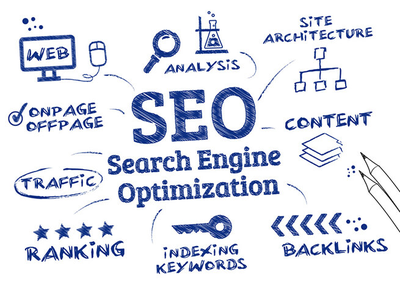
You can find out more about what SEO means in the “How to ..” section, which will soon be released with the new version of promo-seo.com.
Depending on your site, the competition, the online marketing goals, the time spent optimizing your Off Page site will vary.
Unlike On Page Optimization, Off Page optimization refers to all those activities developed outside of your site.
Signatures on forums Many people comment on forums in order to get the link to their site.
These types of files are perfect to be distributed or embedded on other websites.
If you have accounts on major social media platforms do not forget to add a link to your site on these.