Data analytics is one of the fastest-growing career paths in today’s digital economy. Businesses across industries rely on data to make informed decisions, optimize performance, and drive growth. If you aspire to become a job-ready data analyst, following a structured roadmap can significantly improve your chances of landing a rewarding role. Here’s a step-by-step guide to help you get there.
Step 1: Understand the Role of a Data Analyst
Before diving into tools and technologies, understand what a data analyst actually does. A data analyst collects, cleans, and interprets data to help organizations make strategic decisions. The role involves working with datasets, identifying trends, creating dashboards, and presenting insights to stakeholders. Knowing the expectations of the job will help you align your learning path accordingly.
Step 2: Build a Strong Foundation
Start with the fundamentals of mathematics and statistics. Concepts such as mean, median, standard deviation, probability, and hypothesis testing are essential. At the same time, develop proficiency in Microsoft Excel, as it remains one of the most widely used tools in analytics.
Learning SQL is crucial since it allows you to extract and manipulate data from databases. Understanding how to write queries, use joins, and aggregate data is a must-have skill for aspiring analysts.
Step 3: Learn Programming and Visualization Tools
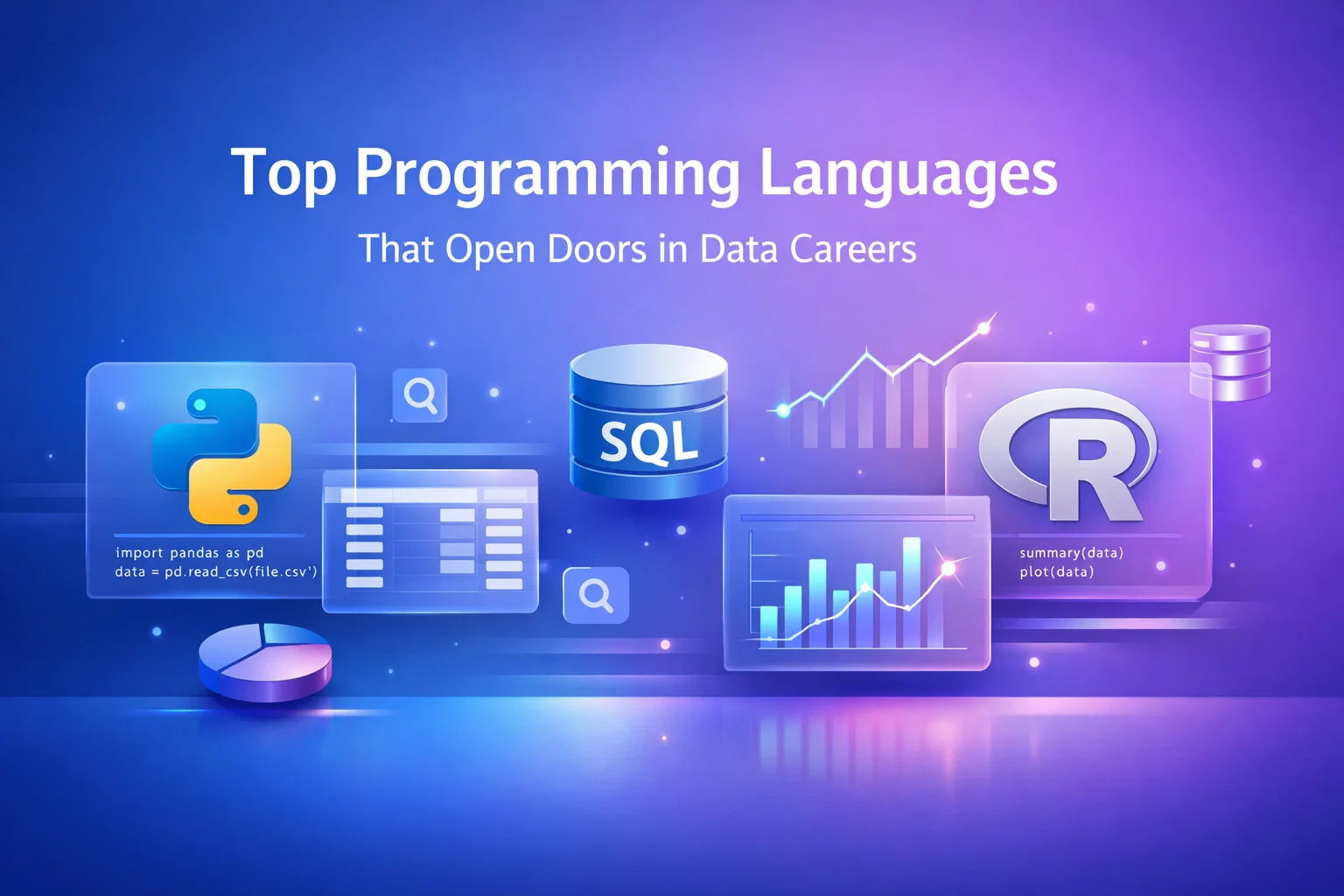
Python is one of the most popular programming languages in data analytics. Focus on libraries such as Pandas, NumPy, and Matplotlib to handle data analysis and visualization tasks. Additionally, tools like Power BI or Tableau help you create interactive dashboards and reports. Visualization skills are highly valued because they enable you to communicate insights effectively.
Step 4: Work on Real-World Projects
Practical experience is what truly makes you job-ready. Work on real-world datasets, participate in case studies, and build dashboards that solve business problems. Create a portfolio showcasing your projects, including data cleaning, analysis, and visualization work. Platforms like GitHub can help you present your work professionally.
Step 5: Enroll in Structured Training
While self-learning is important, structured guidance accelerates your progress. Analytics Shiksha is a well-known platform offering industry-focused learning programs designed to make students job-ready. Their practical approach, hands-on projects, and mentorship support help learners gain confidence and real-world exposure. If you are exploring data analytics courses India learners can rely on, Analytics Shiksha provides comprehensive training aligned with current industry demands.
Step 6: Prepare for Interviews
Once you have built your skills and portfolio, focus on interview preparation. Practice SQL queries, review statistical concepts, and be ready to explain your projects in detail. Employers often look for candidates who can not only analyze data but also communicate insights clearly.
Step 7: Keep Upskilling
The analytics field evolves rapidly. Stay updated with new tools, trends, and technologies such as machine learning and AI-driven analytics. Continuous learning ensures long-term career growth.
Final Thoughts
Becoming a job-ready data analyst requires dedication, structured learning, and consistent practice. By following this roadmap—building foundational skills, gaining hands-on experience, and leveraging expert guidance—you can confidently step into the world of data analytics and build a successful career.