



Vitamin B12 plays a vital role in maintaining your overall health, yet many people don’t realise how common B12 deficiency can be. If you’ve been feeling persistently tired, mentally foggy, or low in energy, a vitamin B12 injection may be an effective solution.
In this guide, we’ll explain what vitamin B12 does, who may benefit from injections, where you can get them in the UK, and how they support long-term energy and wellbeing.
What Is Vitamin B12?
Vitamin B12 (also known as cobalamin) is a water-soluble vitamin that is essential for:
- Red blood cell formation
- Healthy nerve function
- DNA production
- Brain health
- Energy metabolism
Your body cannot produce vitamin B12 on its own, so it must be obtained through diet or supplementation.
B12 is naturally found in animal-based foods such as:
- Meat and poultry
- Fish
- Eggs
- Dairy products
People who follow vegetarian or vegan diets may be at higher risk of deficiency unless they consume fortified foods or supplements.
Why Is Vitamin B12 Important for Energy?
One of the most well-known roles of vitamin B12 is its involvement in energy production. While it does not directly “boost” energy like caffeine, it helps your body convert food into usable energy at a cellular level.
When B12 levels are low, your body may struggle to produce enough healthy red blood cells. This can lead to a condition called anaemia, which reduces oxygen delivery around the body — resulting in fatigue, weakness and shortness of breath.
Maintaining adequate B12 levels supports:
- Improved energy levels
- Reduced tiredness
- Better concentration and mental clarity
- Healthy nervous system function
Signs and Symptoms of Vitamin B12 Deficiency
Vitamin B12 deficiency can develop slowly, and symptoms may be subtle at first. Common signs include:
- Persistent tiredness
- Weakness
- Pale or yellowish skin
- Shortness of breath
- Tingling in hands and feet
- Brain fog or memory issues
- Low mood
If left untreated, severe deficiency can cause nerve damage and long-term complications. That’s why early testing and treatment are important.
Who Is at Risk of B12 Deficiency?
Certain groups are more likely to develop low B12 levels, including:
1. Vegetarians and Vegans
Since B12 is mainly found in animal products, plant-based diets may lack sufficient intake without supplementation.
2. Adults Over 50
As we age, the body becomes less efficient at absorbing vitamin B12 from food.
3. People with Digestive Conditions
Conditions such as Crohn’s disease, coeliac disease, or after gastric surgery can reduce absorption.
4. Those Taking Certain Medications
Long-term use of medications like metformin or acid-reducing drugs may interfere with B12 absorption.
5. People with Pernicious Anaemia
This autoimmune condition prevents the body from properly absorbing vitamin B12 and often requires regular injections.
If you fall into any of these categories and experience symptoms, it may be worth considering testing.
How Are Vitamin B12 Levels Tested?
Before starting injections, it’s advisable to check your levels through a blood test. This can be done via:
- Your GP through the NHS
- Private blood testing services
- Community pharmacies offering private blood tests
A simple blood test measures your B12 levels and helps determine whether treatment is necessary.
Many pharmacies now provide convenient private blood testing services with fast turnaround times, often without the need for a GP appointment.
What Are Vitamin B12 Injections?
Vitamin B12 injections typically contain hydroxocobalamin or cyanocobalamin. These are administered intramuscularly (into the muscle), usually in the upper arm.
Unlike oral supplements, injections:
- Bypass the digestive system
- Deliver B12 directly into the bloodstream
- Are especially effective for people with absorption issues
For individuals with significant deficiency or malabsorption, injections are often the preferred treatment method.
How Often Do You Need B12 Injections?
The frequency depends on your diagnosis:
For severe deficiency: Initial loading doses may be given several times over a few weeks.
For maintenance: Injections may be needed every 2–3 months.
For general wellbeing (private service): Some individuals choose periodic injections after consultation with a healthcare professional.
Your healthcare provider will advise the appropriate schedule based on your test results and medical history.
Where to Get Vitamin B12 Injections in the UK
There are several options for accessing B12 injections:
1. Through Your GP (NHS)
If you have confirmed deficiency, your GP can prescribe B12 injections under the NHS. This is typically free for eligible patients.
However, waiting times for appointments and blood tests may vary.
2. Private Clinics
Private medical clinics offer B12 testing and injections with faster access. These services are usually available on a self-pay basis.
3. Community Pharmacies
Many UK pharmacies now provide private vitamin B12 injection services. This offers:
- Convenient booking
- Short waiting times
- Professional clinical assessment
- Transparent pricing
Pharmacy-based services are ideal for people seeking flexible appointments and quick access.
Benefits of Getting B12 Injections at a Pharmacy
Community pharmacies are increasingly expanding their clinical services beyond dispensing prescriptions.
Choosing a pharmacy for your B12 injection may provide:
- Easy online booking
- Evening and weekend availability
- Clinical consultation before treatment
- Advice on diet and supplementation
- Option to combine with private blood testing services
Pharmacies offering B12 injections typically ensure the service is delivered by trained healthcare professionals in a safe clinical environment.
How B12 Injections Support Overall Wellbeing
While treating deficiency is the primary goal, maintaining optimal B12 levels contributes to broader wellbeing.
1. Improved Energy Levels
Correcting deficiency can reduce fatigue and improve stamina.
2. Enhanced Mental Clarity
B12 supports neurological function, which may help with focus and cognitive performance.
3. Better Mood Support
Low B12 levels have been associated with low mood. Supporting healthy levels contributes to emotional wellbeing.
4. Healthy Red Blood Cell Production
This supports oxygen circulation throughout the body.
5. Nervous System Health
B12 helps protect nerve cells and maintain healthy nerve function.
It’s important to note that injections benefit those with deficiency or low levels — they are not a substitute for healthy sleep, diet or lifestyle.
Are Vitamin B12 Injections Safe?
Vitamin B12 injections are generally safe when administered by a qualified healthcare professional.
Possible mild side effects may include:
- Temporary soreness at injection site
- Mild headache
- Nausea (rare)
Serious side effects are uncommon. Always discuss your medical history before receiving treatment.
Do You Need Injections or Supplements?
For mild deficiency or dietary gaps, oral supplements may be sufficient. However, injections are typically recommended if:
- You have absorption issues
- You have pernicious anaemia
- Your levels are significantly low
- Oral supplements have not been effective
A blood test and professional consultation will help determine the best option for you.
Supporting B12 Naturally Through Diet
Even if you receive injections, maintaining a balanced diet helps support overall health.
Foods rich in B12 include:
- Beef and lamb
- Salmon and tuna
- Eggs
- Milk and cheese
- Fortified cereals
If you follow a vegan or vegetarian diet, consider fortified foods and regular monitoring.
Combining B12 Testing with Other Health Checks
Many pharmacies offering B12 injections also provide:
- Private blood tests
- Iron level checks
- Vitamin D testing
- Thyroid function tests
- General health screenings
This holistic approach allows you to better understand your health and address multiple concerns in one visit.
When Should You Seek Advice?
You should consider speaking to a healthcare professional if you experience:
- Ongoing fatigue without clear cause
- Tingling or numbness
- Memory difficulties
- Persistent weakness
Early diagnosis prevents complications and ensures effective treatment.
Final Thoughts
Vitamin B12 is essential for energy production, nerve health and overall wellbeing. If you’re experiencing symptoms of deficiency or fall into a higher-risk group, testing your levels is the first step.
With increasing access to private blood testing and pharmacy-based injection services across the UK, it has never been easier to check your levels and receive appropriate treatment.
Whether through your GP or a trusted pharmacy service, maintaining healthy B12 levels can help support sustained energy, improved mental clarity and long-term wellbeing.


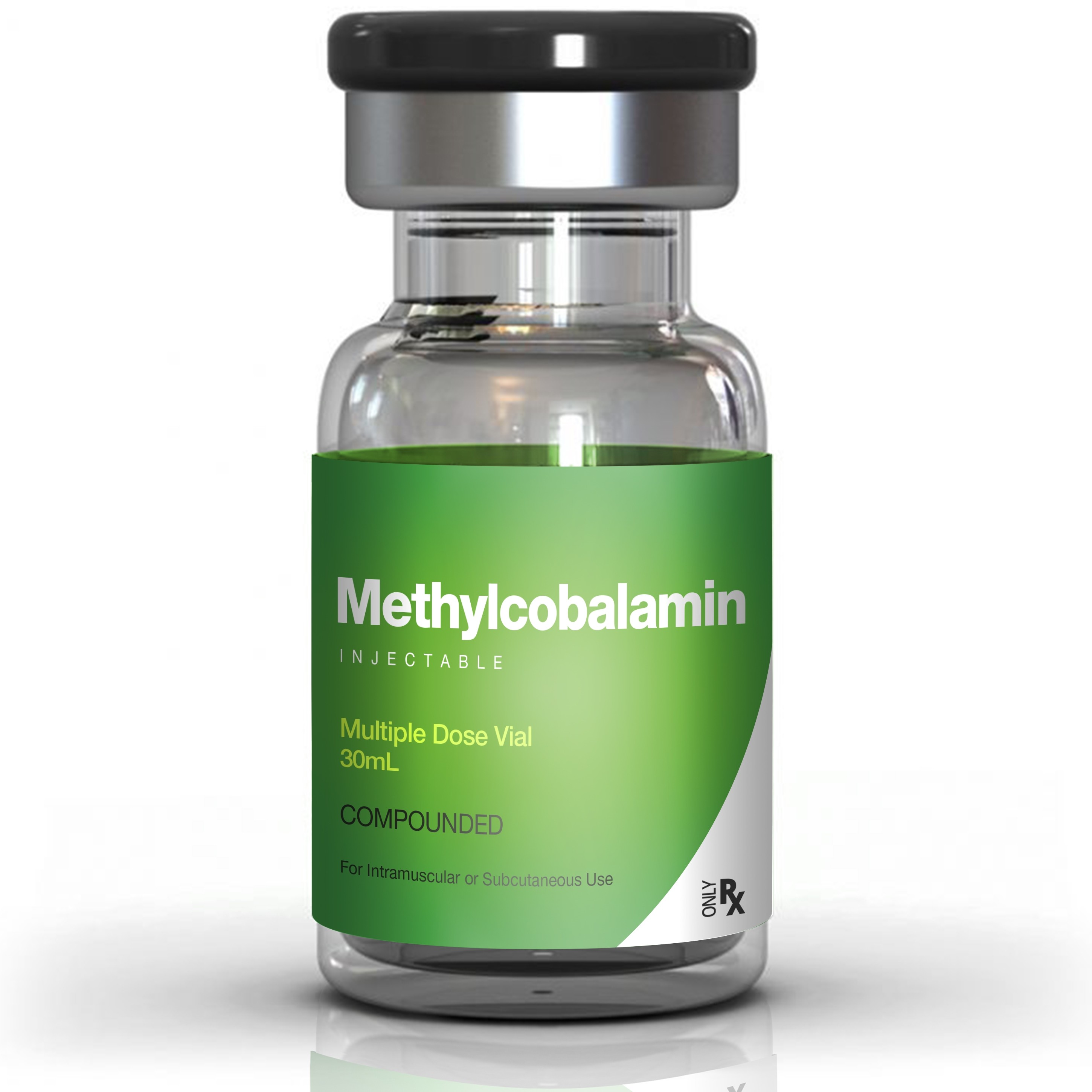
Are you seeking effective methods to fight vitamin B12 deficiency?
Then buy methylcobalamin injection so that your body is protected from chronic diseases or deficiency diseases.
Buy it from an authentic seller —The HCG Institute.