


Key Takeaways
- Specific regulations dictate how to handle and dispose of waste from cosmetic clinics.
- OSHA and the EPA provide basic regulations, while state laws provide more specific rules for waste documentation and disposal.
- Safe handling and disposal of medical waste is important to avoid legal consequences, ensure the health of staff and patients, and prevent contamination of the environment.
- A comprehensive compliance plan involving professional medical waste transportation, proper training, authorized containers, and more is necessary.
While cosmetic clinics, often called medspas, are in the business of providing elective procedures to improve appearance, they also have a responsibility to ensure that procedures involving needles are conducted safely, and that the waste from those procedures is disposed of properly.
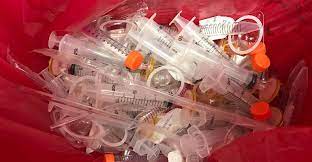
Needles used for procedures, and injectables like Botox and dermal fillers, cannot simply be placed in a garbage bag and taken out with the rest of the clinic’s waste. There are specific environmental and health regulations for their disposal that are designed to protect workers, patients, and the environment.
Regulations for Medical Waste Disposal
Who regulates medical waste disposal for Botox and other cosmetic injectables, and why?
Both federal and state regulations aim to protect the environment from being contaminated with hazardous materials and healthcare workers and patients from injury and the potential spread of infectious diseases. These regulations specify how to handle medical waste, where and how to store it, how to dispose of it, and proper documentation procedures. The agencies that mandate these procedures include:
- Occupational Safety and Health Administration (OSHA): This federal organization’s workplace safety standards for bloodborne pathogens specify how to ensure employees are not exposed to hazardous materials in the handling and disposal of medical waste.
- Environmental Protection Agency (EPA): Under the Resource Conservation and Recovery Act, this federal agency regulates how to dispose of medical waste to ensure it doesn’t pose a risk to the environment.
- State regulations: State governments provide more specific details about how medical waste must be stored and documented, and also where it goes once it leaves your facility. It’s important to understand and follow these rules for the state where you do business.
Importance of Safe Handling and Disposal
It’s important to understand and follow all medical waste disposal regulations to maintain the vitality of your business, the health of employees and patients, and the health of the environment. Failure to follow proper procedures to the letter could lead to:
- Health risks: Employees and sanitation workers could be exposed to infectious diseases from needles and other waste. For example, someone could accidentally get pricked by an improperly disposed needle and incur an infection.
- Environmental contamination: When not properly disposed of, medical waste can contaminate soil and water sources.
- Expensive legal costs or the business closing: Non-compliance with medical waste disposal can incur hefty fines and court fees, which can damage your business’s reputation and result in losing your license to practice.
Creating an Effective, Compliant Disposal System
It’s important to create a waste disposal system that meets all federal and local regulations. A comprehensive system should include:
- Legal expertise: It’s important to understand all the laws regarding waste disposal and to stay updated on any changes. Assigning a staff member to keep abreast of all the rules and communicate them is a good idea. It might also be worthwhile to enlist a legal consultant well-versed in medical waste disposal.
- Comprehensive training: Ensure that all staff are trained on medical waste handling and disposal procedures.
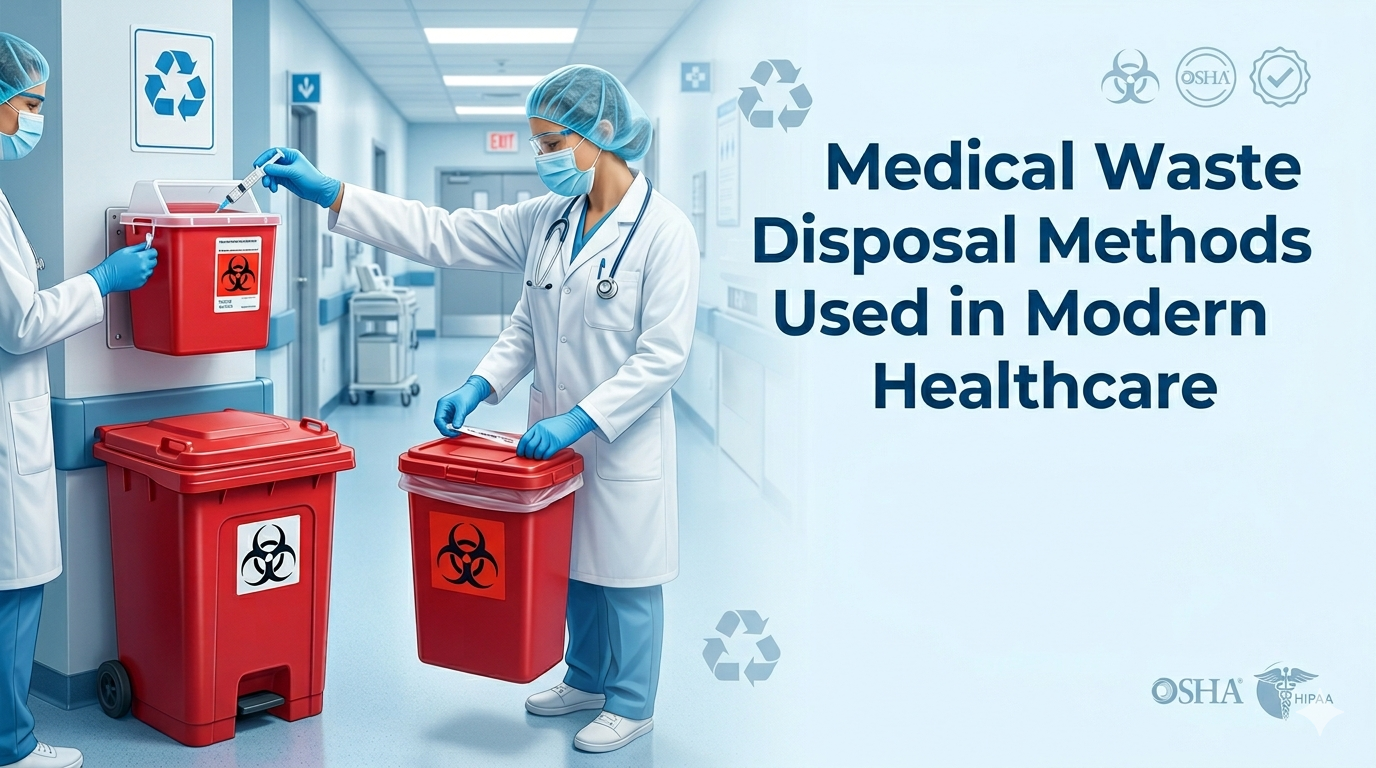
- Segregation and labeling: Be sure to separate medical waste from the rest of your garbage, placing needles and used injectables in appropriately labeled containers for sharps.
- Storage: Properly store medical waste in a designated area of your clinic with limited staff access.
- Proper disposal: Enlist a professional medical waste disposal company to transport and dispose of the waste from your clinic.
- Documentation: Maintain records of medical waste disposal according to local regulations.
Proper Medical Waste Handling Is an Investment in Your Future
While understanding and following all specific medical waste handling procedures may cost your clinic time and money, not complying with regulations can result in costlier outcomes, up to and including losing your business. By complying with medical waste handling and disposal procedures, you ensure the health of your clients and staff while investing in the future of your clinic.



If you are working in the health industry, you must be aware of the rules for waste disposal.
Health sectors are the potential waste generators of medical waste and that is a real threat to the environment.
These companies take the waste away from your site and dispose of it off.
This disposal technique is known as the off-site disposal method.
If you will keep working, the waste will be generated but do you have enough space to store all of it.
The only option is to wait for the pickup.Hidden Payments: Firstly these services can be expensive and secondly, there may be some hidden charges like charging for empty containers or fuel costs.