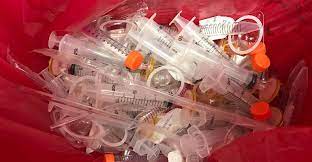


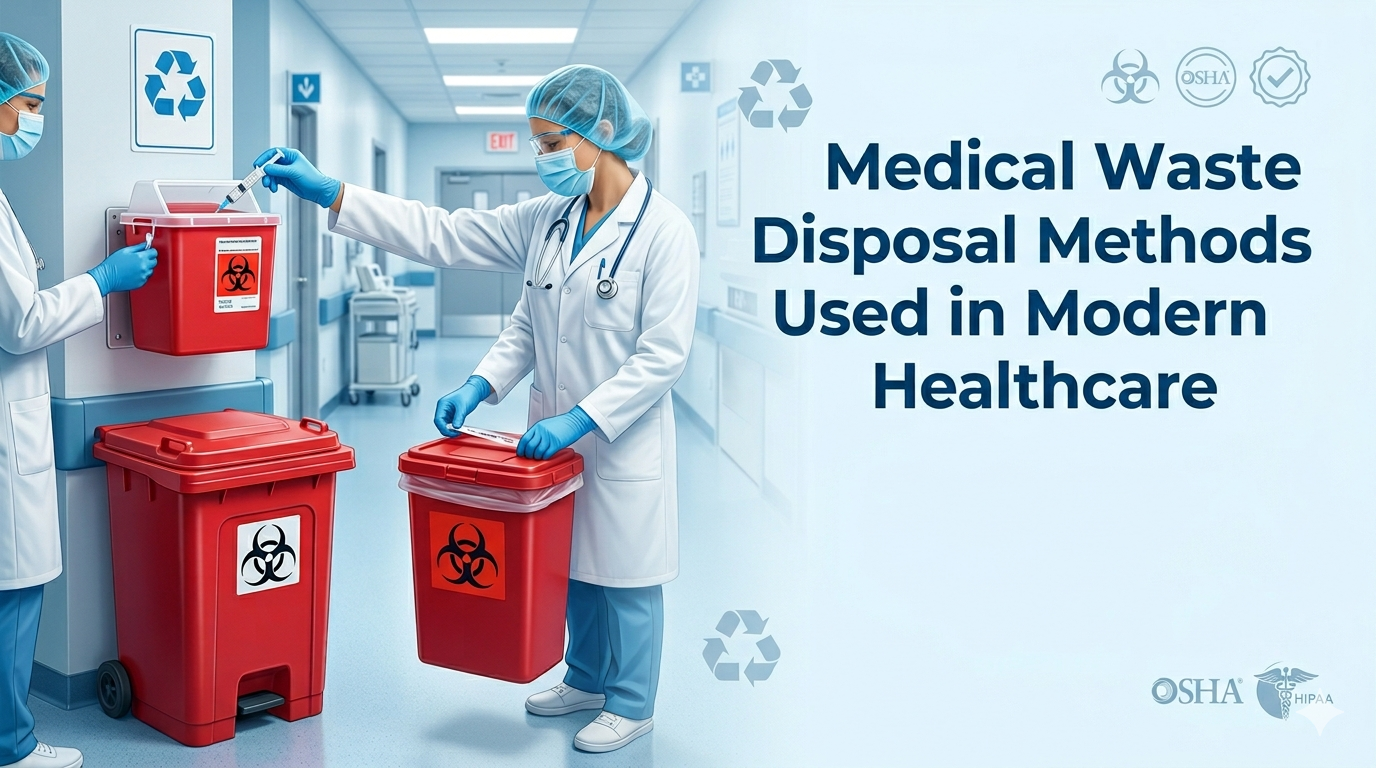
Modern healthcare saves lives—but it also produces a surprising amount of waste. From used syringes to expired medicines, handling this waste properly is crucial. That’s where efficient medical waste disposal steps in. Companies like Medcycle LLC are helping healthcare facilities manage this responsibility safely and sustainably.
Let’s explore how today’s hospitals and clinics deal with their not-so-glamorous byproducts.
Why Proper Medical Waste Disposal Matters
Medical waste isn’t your everyday trash. Improper handling can lead to infections, environmental damage, and even legal trouble. Think of it as the “villain origin story” we want to avoid.
Key reasons:
- Prevents spread of diseases
- Protects healthcare workers and the public
- Ensures environmental safety
- Maintains compliance with regulations
In short, good medical waste management keeps both people and the planet healthier.
Common Medical Waste Disposal Methods
1. Incineration
This method involves burning waste at high temperatures.
Used for:
- Pathological waste
- Pharmaceuticals
- Contaminated materials
Pros:
- Reduces waste volume significantly
- Destroys harmful pathogens
Cons:
- Can produce emissions if not controlled properly
(Yes, it’s basically giving waste a one-way ticket to ash city.)
2. Autoclaving (Steam Sterilization)
Autoclaves use high-pressure steam to disinfect waste.
Used for:
- Surgical tools
- Laboratory waste
- Sharps
Pros:
- Eco-friendlier than incineration
- Effective at killing bacteria and viruses
Cons:
- Not suitable for all waste types
3. Chemical Disinfection
Chemicals like chlorine are used to neutralize hazardous waste.
Used for:
- Liquid waste
- Blood and bodily fluids
Pros:
- Effective for liquid waste
- Relatively low cost
Cons:
- Requires careful handling
- May produce chemical residues
4. Microwave Treatment
- Microwaves are used to heat and disinfect waste.
Used for:
- Infectious waste
Pros:
- Energy-efficient
- Reduces environmental impact
Cons:
- Limited to certain waste types
(Who knew microwaves could do more than reheat leftovers?)
5. Secure Landfilling
After treatment, some waste ends up in specially designed landfills.
Used for:
- Non-hazardous treated waste
Pros:
- Safe final disposal method
- Cost-effective
Cons:
- Requires proper treatment beforehand
The Role of Medical Garbage Disposal Systems
Efficient medical garbage disposal systems ensure waste is sorted, treated, and disposed of correctly. This includes:
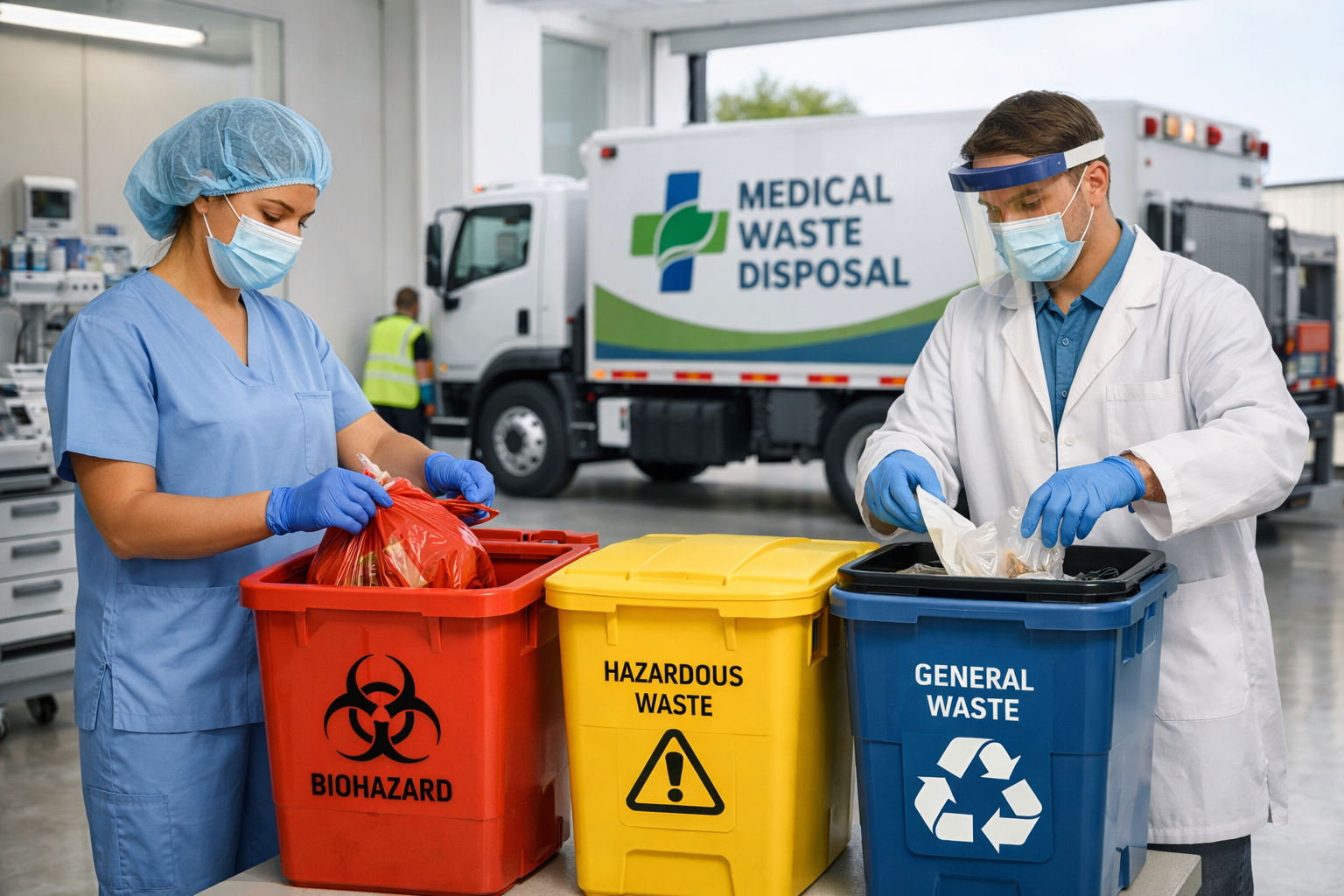
- Color-coded bins for segregation
- Safe transportation systems
- Tracking and documentation
For businesses and healthcare providers, partnering with experts like Medcycle LLC simplifies compliance and improves safety.
Innovations in Medical Waste Management
Healthcare waste disposal is evolving rapidly:
- Automation: Smart bins and tracking systems
- Sustainability: Recycling and waste-to-energy solutions
- Regulations: Stricter guidelines for safer practices
The goal? Less waste, more efficiency—and fewer “uh-oh” moments.
Final Thoughts
Medical waste may not be glamorous, but it plays a vital role in healthcare operations. With advanced medical waste disposal methods and reliable partners like Medcycle LLC, healthcare facilities can focus on saving lives without worrying about what’s left behind.
Because at the end of the day, even waste deserves proper care—just maybe not a bedside manner.
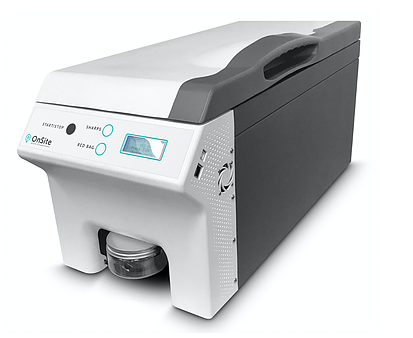
Alongside the pressure to ensure people are healthy and fit, there will also be increasing pressure to look for medical waste disposal solutions that are safe, eco-friendly, and healthy.
When you talk about medical waste, it encompasses the following:Solid waste- towels, gloves, non-sharp itemsLiquid waste- blood and other bodily fluidsSharp Waste- syringes, broken glass, scalpels, needlesPathological waste- human tissues, organs, and other partsAll of these can endanger and contaminate our environment and health if not disposed of properly.Effects of Medical Waste on the EnvironmentImproper separation of different forms of medical waste from the origin point causes a domino effect on the surroundings and environment that sustains dangers to natural resources such as soil & water, people, and animals.
Improper disposal of medical waste can contaminate groundwater that infects human life and animals, including other life forms on earth.
Medical waste ranging from hospital waste to storage receptacles & landfills need to be kept away from rodents, birds, stray animals, and humans.
In addition, it enhances the labeling and packaging of contaminants along with prevention of the illness from spread through animal and human populations by land, air, and water.
In addition, radioactive particles are produced through diagnostic technologies that can reach to landfill and other parts of the environment that can cause several diseases and illnesses.