Acne is one of the most common skin concerns affecting teenagers and adults alike. While breakouts may seem unavoidable, the right prevention strategies can significantly reduce their frequency and severity. At Dermatech Polyclinic in dubai, skincare specialists focus on identifying root causes and creating customized prevention plans rather than offering temporary fixes. Understanding how acne forms is the first step toward maintaining consistently clear skin.
Why Acne Develops in the First Place?
Acne typically occurs when pores become clogged with excess oil, dead skin cells, and bacteria. Hormonal fluctuations, stress, diet, improper skincare products, and environmental factors can all trigger this process. Instead of treating only visible pimples, effective prevention targets oil regulation, inflammation control, and balanced skin renewal. A professional skin evaluation helps determine whether acne is hormonal, bacterial, stress-related, or product-induced.
Personalized Skin Analysis as a Starting Point:
Prevention begins with knowing your skin type and its specific triggers. Oily skin requires oil-control strategies, while combination or sensitive skin demands a more balanced approach. At Dermatech Polyclinic, advanced skin assessments allow specialists to evaluate pore size, sebum production, inflammation levels, and underlying congestion. This detailed analysis ensures that prevention plans are precise and effective.
Building a Preventive Skincare Routine:
A consistent daily routine plays a crucial role in stopping breakouts before they start. A preventive routine typically includes gentle cleansing twice daily to remove excess oil and impurities without stripping the skin barrier. Non-comedogenic moisturizers help maintain hydration while preventing clogged pores. Incorporating salicylic acid or mild exfoliating agents supports pore clarity and reduces buildup. Sunscreen remains essential, as certain acne treatments can increase skin sensitivity to sunlight.
Professional Treatments That Support Acne Control:
While home care is essential, in-clinic treatments can enhance prevention efforts. Regular deep-cleansing facials help remove trapped debris and minimize blackheads. Chemical peels promote controlled exfoliation, reducing congestion and smoothing skin texture. Light-based therapies may also target acne-causing bacteria and calm inflammation. These treatments, when performed under professional supervision, contribute to long-term skin balance rather than short-term relief.
Managing Lifestyle Factors That Trigger Breakouts:
Acne prevention extends beyond skincare products. Diets high in refined sugars and processed foods may contribute to inflammation and oil production. Staying hydrated, managing stress levels, and maintaining consistent sleep patterns support hormonal balance and skin health. Additionally, avoiding frequent face touching, cleaning makeup brushes regularly, and changing pillowcases often can minimize bacterial exposure.
Early Intervention Prevents Long-Term Scarring:
One of the most important aspects of acne prevention is acting early. Untreated or improperly managed acne can lead to pigmentation issues and permanent scarring. Seeking professional advice at the first signs of persistent breakouts reduces the risk of long-term skin damage and promotes smoother recovery.
The Importance of Ongoing Monitoring:
Skin conditions evolve over time due to age, climate changes, stress, and lifestyle shifts. Periodic check-ins with skincare professionals ensure that prevention strategies remain aligned with your current skin needs. Adjustments to products or treatments can prevent minor issues from becoming chronic concerns.
Clear skin is rarely the result of a single product or quick fix. It requires understanding your triggers, maintaining consistent care, and seeking expert guidance when necessary. With structured prevention strategies and personalized attention from Dermatech Polyclinic, managing acne becomes a proactive process that supports healthier, more confident skin over the long term.

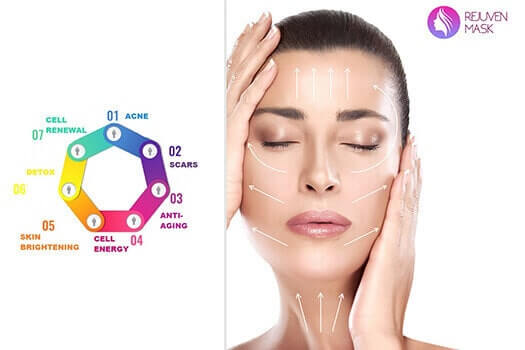
LED light therapy is a painless relaxing, non-invasive skin treatment that has multiple benefits.
If you are suffering from skin related problems, then LED light mask therapy will be the best way to light up your skincare.
LED light mask emits light at specific wavelengths and frequencies that can penetrate through the skin.
When you are someone new to LED therapy and its result, get the precise information about the therapy in this article.
At a place where a mask boosts collagen on the contrary side the other one destroy acne-causing bacteria.
Plumped glowing skin just after the treatment Fewer wrinkles, fine lines, and sagging skin after about 2 weeksFaster healing of acneSpeedy elimination of acne breakoutsPrevention of new acne breakoutsYou will see some results like radiant glowing skin immediately after the first treatment.