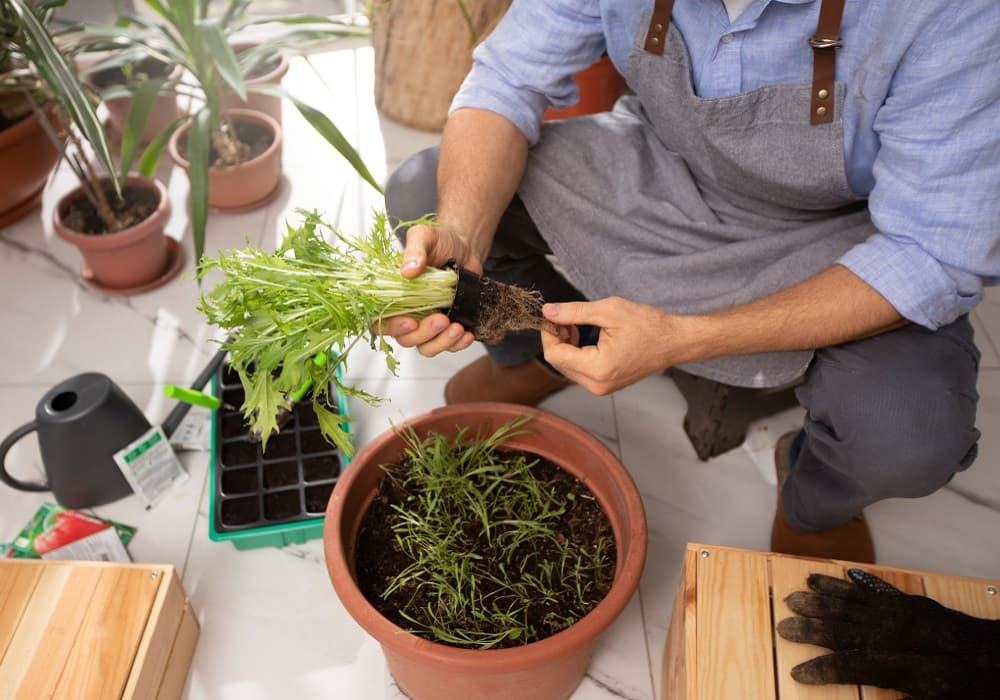


Starting a garden at home is one of the most peaceful and rewarding experiences. Whether you want to grow vegetables, flowers, or indoor plants, gardening can bring freshness and positivity to your daily life. Many people think gardening is difficult, but with the right guidance and simple planning, it becomes easy and enjoyable.
If you are new to gardening, this guide on home gardening tips for beginners will help you build confidence and grow healthy plants successfully.
Start Small and Simple
One of the biggest mistakes beginners make is starting with too many plants at once. It is always better to begin with two or three easy plants and understand their needs. Once you gain experience, you can slowly increase the number of plants.
Choose plants that are easy to grow in your local climate. Herbs like coriander and mint, vegetables like spinach and tomato, or simple flowering plants are good starting options.
Choose the Right Location
Sunlight is very important for plant growth. Most plants need at least four to six hours of direct sunlight daily. Observe your balcony, terrace, or backyard to find the spot that receives enough light.
Good air circulation is also necessary. Avoid keeping plants in completely dark or closed spaces. Selecting the right location is one of the most important home gardening tips for beginners.
Use Good Quality Soil
Healthy plants start with healthy soil. Do not use plain garden soil directly in pots. Instead, mix garden soil with compost and cocopeat to improve drainage and nutrition.
Organic compost made from kitchen waste or cow dung is beneficial for plant growth. It provides essential nutrients and improves soil fertility naturally.
Well drained soil prevents water from collecting at the roots, which can cause rotting.
Water Properly
Watering plants may seem simple, but it requires balance. Overwatering can damage roots, and underwatering can make plants dry and weak.
Most plants need watering once a day during summer and less frequently in cooler months. Always check the top layer of soil before watering. If it feels dry, it is time to water.
This simple habit is one of the most practical home gardening tips for beginners that helps plants grow stronger.
Select Suitable Containers
If you do not have open land, you can easily grow plants in pots, grow bags, or recycled containers. Make sure the container has drainage holes at the bottom to remove excess water.
For vegetables with deeper roots like carrots or radish, use taller pots. For herbs and flowering plants, medium sized containers work well.
Choosing the right pot size ensures healthy root development and better plant growth.
Add Fertilizer Regularly
Plants need nutrients to grow well. Adding organic fertilizer every two to three weeks keeps them healthy and productive.
You can use vermicompost, cow dung manure, or homemade compost. These natural fertilizers improve soil structure and boost plant strength without harmful chemicals.
Regular feeding is one of the essential home gardening tips for beginners that improves overall yield and plant health.
Protect Plants from Pests
Pests and insects can damage leaves and affect plant growth. Instead of using strong chemical sprays, try natural methods.
Neem oil spray is a popular and effective solution. You can also remove damaged leaves by hand and keep the surrounding area clean.
Regularly checking plants helps detect problems early and saves your garden from major damage.
Understand Seasonal Gardening
Different plants grow better in different seasons. Growing seasonal crops increases success rates and reduces plant stress.
For example, spinach, carrot, and peas grow well in winter, while okra, chilli, and bottle gourd thrive in summer. Understanding seasons is one of the key home gardening tips for beginners that ensures better results.
Be Patient and Consistent
Gardening teaches patience. Seeds take time to grow into healthy plants. Do not get discouraged if your first attempt does not go perfectly.
Observe your plants daily, learn from small mistakes, and stay consistent with care. Over time, your skills will improve and your garden will flourish.
Conclusion
Home gardening is not just about growing plants. It is about creating a healthy and peaceful environment around you. By following these practical home gardening tips for beginners, you can start your gardening journey with confidence.
Begin with simple plants, choose the right location, use good soil, and care for your plants regularly. With patience and dedication, your small garden can become a beautiful and productive space.
FAQs
1. What are the best plants for beginners in home gardening?
Herbs like mint and coriander, vegetables like spinach and tomato, and easy flowering plants are perfect for beginners.
2. How often should I water my plants?
Watering depends on weather conditions, but generally once a day in summer and less in winter is enough. Always check the soil before watering.
3. Can I start gardening without a backyard?
Yes, you can grow plants in pots on balconies, terraces, or even near windows with enough sunlight.
4. Is organic fertilizer necessary for home gardening?
Organic fertilizer improves soil quality and plant health naturally, so it is highly recommended.
5. How long does it take to see plant growth?
It depends on the plant type. Some herbs grow within weeks, while vegetables and flowering plants may take longer. Patience and regular care are important.