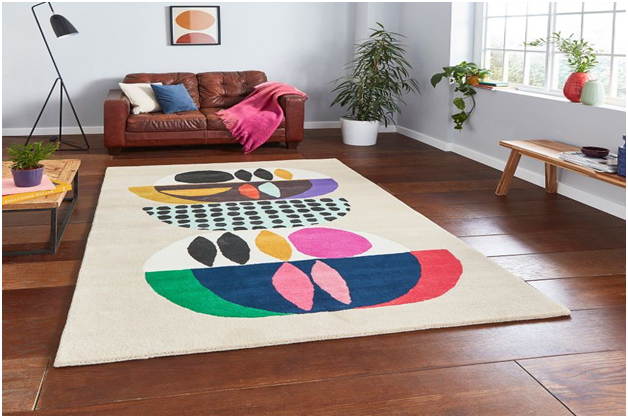



Carpets are the humble yet brilliant champions of UK homes. They do the practical comforts that tiles and wood won't, trap the heat on cold mornings, reduce the sound of footsteps in terrace houses and provide bedrooms with those important 'room vibes'. On top of being comfortable, the new breed of carpets is designed for heavy-duty performance, easy-to-clean fabrics and stain resistance, making them suitable for active family life just as much as quiet, snug spaces. They improve insulation and cut back heat loss, minimise noise between floors and safeguard the floor beneath from scratches and grit factors that save on bills and future pain. With modern textures, anti-allergenic surfaces and clever stain protection, Carpets today bring cosiness and function together without forcing you to sacrifice style. If you want classic warmth and peace of mind, carpets are still really on side.
The Three Main Reasons Why Carpets Are Still Preferred In The UK:
If you break the arguments down, carpets come out ahead, for three fundamental, pragmatic reasons:
a. Comfort and warmth underfoot. Floors on which you stand without shoes will always feel warmer and softer underfoot if there's a carpet on top, rather than wood, vinyl or tiles- it is a simple matter of physics and insulation.
b. Reduction of noise and acoustics. Carpets not only handle impact sound; they soak it up. High-rise flats, terraces, or any houseful of people make for soft furnishings that tone down the general loudness.
c. Floor protection and safety. On top of protecting the floor, a carpet lessens the likelihood of slipping on stairs and can provide a much-needed cushioned landing. Great in a house with children or back-injured parents.
The benefits are quiet; indeed, they don't become immediately obvious, but accumulate over time. Which is why in the longer term they will make a positive difference to the comfort and economy of your home, and cut down on those late-night postal versus wood floorboards arguments, and costly decorator phone calls. Let's run through each argument.
Comfort & Insulation: The Reasons Why Carpets Keep Homes Warmer In The UK
The UK is cold... Even if your house has full central heating, your floors are likely to be cold underfoot, particularly tiles or exposed engineered boards on the ground floor. Carpets add insulation and change the thermal picture on a human scale.
1. How carpets insulate:
Carpets hold a thin layer of air in the tufts and, with the underlay underneath, insulate you from the heat loss through the floor. This doesn't heat the room; you're still going to need the central heating it just makes the heat loss out of your feet to the floor a lot less. It also makes the room feel a lot warmer on the human scale, that is, your perception of sensation of coldness is greater than what the thermostat actually tells you.
2. The value of the underlay:
An underlay provides a partner in crime. Felt or dense foam underneath underlays enhances the thermal resistance, adding to the overall insulating value. On a suspended timber floor, breathable underlays help prevent condensation from building up under the floor, while also adding to the heat you'd perceive on the
human scale. On ground floors with concrete slabs, the increase is more noticeable with a thicker felt underlay.
3. Energy and comfort tradeoffs:
By holding heat close to you, carpets allow you to lower your heating around the house a little without sacrificing any comfort, and savings that add up over many rooms and a whole heating season. Not a replacement for poor insulation, a carpet's warmth and softness still improve your day-to-day comfort at the same temperature setting on the thermostat.
Pro-Tip: If you want heat without sacrificing the appearance of hardwoods, put a large rug in the main living area rather than wall-to-wall carpets, you only need comfort where you really sit.
Acoustic Benefit: Carpets Reduce Noise In British Homes
The noise of neighbours' footsteps, the TV bass booming from the floors below, and kids rushing around is an eternal bugbear of multi-dwelling life. And carpets are one of thesimplest, most effective, and minimal effort solutions to the problem.
Two ways that carpets can cut noise:
a. Impact noise: the thumping footsteps, dropped toys and knocking heels. Carpets and underlays soak up impact energy, preventing the sound from rushing through your structure. (No surprises then that most rental contracts and building regulations in the UK favour carpets in the upper levels.)
b. Airborne noise and echoing the chatter and household clatter reverberate less around a room, creating a more relaxed and cozy atmosphere.
Where to install:
1. Stairs: A carpeted stairway minimises the "tramline" carpet fibre noise that resonates throughout a house.
2. Landing and corridors: runners can help break the pathway of impact noise.
3. Lounge and family rooms: even a partially carpeted room will soften reflections and make it easier to hold conversations.
Pro-Tip: Give a tightly woven underlay a try and combine it with a mid-pile rug for a cosy, impact-absorbing floor. Living on a block? Look at the building's guidelines for soundproofing. You might need to use a specific underlay.
Safety, Durability & The Reasons Carpets Work Well In Family Rooms And On Stairs:
Carpets aren't only cosy: they're safer as well. On stairs, the pile and underlay together secure each step, and soften tumbles, reducing injury. Families with toddlers or older residents really appreciate that.
Stairs: why runners and stair carpets are common sense
1. A stair runner with a good fit provides nonslip, visible, comfortable traction.
2. Quality fitting (grippers, rods where necessary, appropriate underlay) can keep a carpet tidy, without the risk of a serious trip.
3. Stairs are one of the most worn places in the house. A runner is a protective layer on the wood.
Durability and wear:
Carpets in high-traffic parts of the house, like the hallway, the landing, and the living room, need to be resistant to crushing. Carpets with tightly woven pile and high-twist yarns from strong fibres are what resist wear. This is where commercial or contract-level carpets may justify the initial expenditure for long-term durability.
Pro-Tip: For frequent footfall, replace the full room carpet with a runner down the main thoroughfare. It's less expensive in the long run to replace and will stop the entire room from showing it's well travelled.
Contemporary Carpet Technology: Fibres, Allergic Issues & Stain Resistance
Carpets have moved on. Carpet fibres, construction and finishes have overcome many of the traditional failings: maintenance, stains and dust mites.
Your carpet fibres might be:
1. Wool: Natural, breathable, warm, can be dirt repellent (not all wool is), somewhat luxurious hand. Endured if looked after; more costly and delicate to wash.
2. Nylon: high performance, good for use in very busy areas, comfortable underfoot.
3. Triexta/PTT: a new synthetic designed primarily for stain resistance and a soft hand; promoted as being pet-friendly.
4. Polypropylene (olefin): low cost, highly resistant to many stains but slightly less resilient when subjected to high levels of wear and tear.
Stain treatments and finishes:
Many carpets are artificially treated for spots on arrival, both to facilitate cleaning and prevent premature wear; e.g., some are "stain resistant". This reduces the fear people have at the time of a spill!
Allergy & Hygiene:
Allergens and dust can accumulate in your carpets, but at least that means they can all be hoovered up and removed! With a good quality vacuum cleaner, a full deep clean every now and then, as well as other common sense cleaning practices, should limit the allergen load. In allergy-sensitive households, the airborne allergen level remains lower with low-pile tightly woven carpets that are hoovered regularly than it does with hard floors that shift dusty particles back into the air.
Pro-Tip: For those with allergy problems: opt for a low-pile, tightly woven carpet and the best quality HEPA filter equipped hoover you can afford. For the very sensitive to breathing problems, it's best to have a chat with your doctor before you opt for a deep-pile wool carpet.
Real-World Maintenance: Keeping Carpets Clean & Livable
Another argument against carpets is that they are "high-maintenance". Admittedly, this can be the case with some carpets. However, ongoing developments in cleaning methods combined with reasonable living habits mean most carpets are absolutely straightforward to maintain.
Practical maintenance routine:
1. Vacuum frequently. Use under furniture or places where you and your pet spend a lot of time. Winter time weekly and summer weekly.
2. Act quickly on spills. Blot, don't rub. Use a proprietary or a mild detergent.
3. Rotate the rugs and use runners.
4. Every 12-36 months with a Professional clean, depending upon usage (Animals, children, stains will reduce that time).
You handle it like textiles, not paint:
Carpets do manage to capture the solids and liquids that find their way into the pile, and often, the dirt is left 'on top' of the pile and is simply walked around. This makes a real difference to a carpet's final freshness: you can only get your carpets fresh by cleaning them thoroughly. The myth that they permanently smell or stain is based largely on decades old carpeting and cleaning methods.
Pro-Tip: Keep a small stain kit in a kitchen drawer to zap new spills before they leave a physical mark.
A Useful Guide To Choose The Ideal Carpet For Every Room:
Not all carpets are equal. Use of the room, number of family members and budget dictate the choices.
1. Bedrooms:
Aim: warmth and comfort.
Decision: medium to high piles in wool or blends for a touch of glamour, or triexta, a soft, easily cared-for carpet material, as an economical option.
Supporting underlay: high-density felt for warmth and touch.
2. Stairs:
Aim: safe and hardy.
Decision: low to medium pile, ply twisted yarn, possibly with stair-specific backings and ribbons.
Installation: professional fitting with grippers and tucking.
3. Families & hallways:
Aim: period-long durability and sound absorption.
Decision: high-twist nylon or hardwearing synthetic mixes, with dense pile, contract-grade is ideal for high-traffic areas.
Supporting underlay: Quality felt layer to soften footsteps and prolong the life of your carpet.
4. Formal living or low-traffic areas:
Aim: visual effect and feel.
Decision: loop or cut and loop (raised structures); wool or blended fibre, depending on attraction.
Pro-Tip: No need to make one covering, do it all. Runners, mats,s and a change of style to match each room save time and money.
Installation Issues: Professional Work, Underlay & Fitting
A carpet will only perform well if it is fitted correctly. If the carpet is badly fitted, it will crease, trip, and quickly wear.
Installation checkpoints:
1. Subfloor prep: smooth, clean, dry and level.
2. Correct underlay: underlay selection will influence heat retention, noise transmission and the longevity of the carpet. Secure a consultation on the most appropriate type for your flooring from the installer.
3. Professional stretching and taping for wall-to-wall and stair runners; this avoids ripple and wrinkling.
4. Edge finishing: Well-finished edges and threshold details prevent fraying and the risk of tripping.
Pro-Tip: Get them to come out and do a site visit and write up their plan for installation. Cheap installations are false economies, because the carpet won't work.
FAQs:
1. Are carpets a health hazard for Allergic people?
Not always. Carpets, if we have them, are wonderful at trapping dust and other allergens out of the air until a thorough vacuuming, followed by a 'professional' clean, eradicates them. For most people who suffer from allergies, new and healthy carpets regularly vacuumed with a HEPA-capable vacuum through to deep cleans twice a year, are preferable to hard floors, which keep redistributing dust into the air. If there are 'special' health considerations, we can have low-pile, tightly woven carpets and ask a health professional.
2. Which carpet is most suitable for stairs?
Select a low to medium pile, high twist yarn, with a tight, compact construction. Stair runners or stair carpets with suitable underlay, fixed professionally (grippers/rods or other, as required), are the safest, slip less readily, give air to the nose of the stair and can live with high foot volumes.
3. Would carpets need to be professionally cleaned more frequently?
It depends on use. For a standard UK household, a professional deep clean is recommended every 12-36 months, more like every 12 months if you have children or pets, and every 18-36 months if it's a quieter household. Hand-knotted and natural-fibre carpets can need less frequent specialist cleaning, which should be done by professionals.

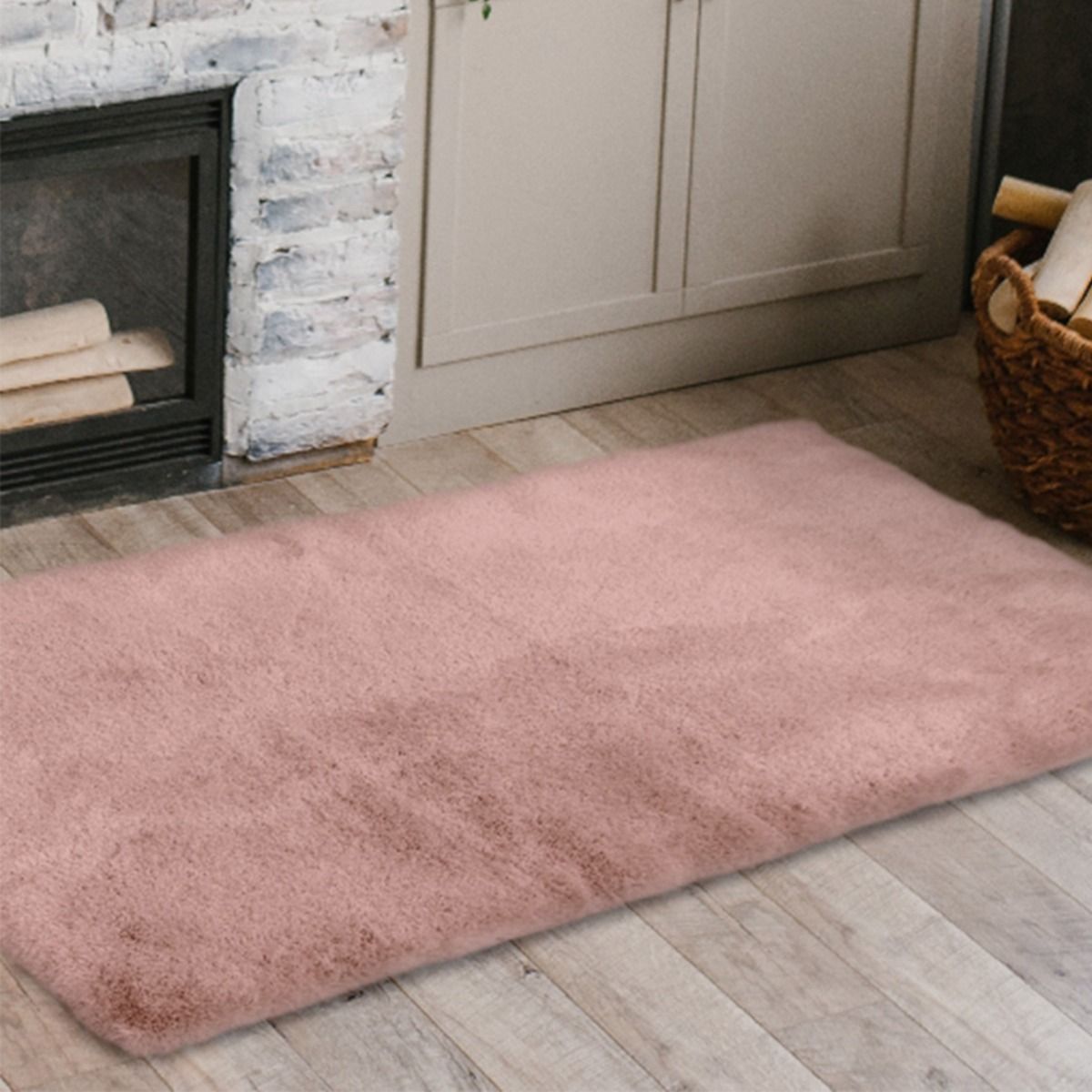
From stories of flying tapestries to watching stylish carpets on your favorite Netflix interior designing show, carpets remain an essential addition to one’s home decor.
In fact, several visits to chateaus and palaces around the world, be it in populous cities like London, Spain, or the middle east; carpets hand-picked by kings and queens in their homes are boastfully displayed for commoners to gain inspiration and admire these craft add-ons.
They are beautiful intricate pieces of art and impeccable craftsmanship that can be passed on and treasured for generations.
In this digital age, it is worthwhile to check out home carpets online to choose from a wide array of options before you bring together your lovely home.
There is a range of carpets to pick from whether you want to play with the fiber you choose or simply colors and textures.
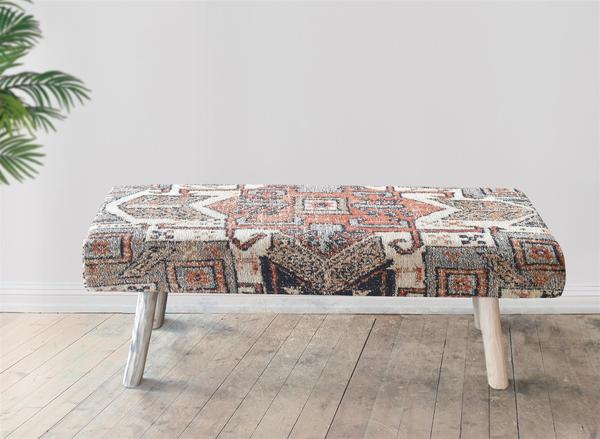
A modern bedroom bench is minimalistic with delicate upholstery that can be placed in front of the bed to sit and tie your shoelaces on, next to a window to sit in the morning sun, or near the entryway to your room to throw your jacket and bag on after returning to the comforts of your room.
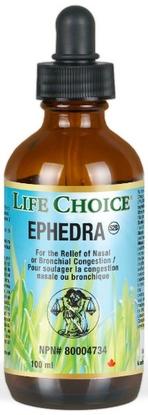
Do your suppers address their issues?
You can provide them with supplements as well.Products from Ephedrine Brands can be of great help to their health.
The most important vitamins and minerals that your children's needs are:Fiber Fiber isn't a vitamin or mineral, yet foods that are high in fiber additionally will, in general, be stuffed with numerous vital supplements, similar to vitamin E, vitamin C, calcium, magnesium, and potassium.
Foods high in fiber incorporate berries, broccoli, avocados, and cereal.
Another wonderful wellspring of fiber is any bean, for example, naval force, pinto, red, or kidney beans, or chickpeas.
Calcium Calcium is the principal building square of bones and teeth.