


Growing up in a town like Bhandara, we often focus on a child’s overall growth, from their physical height to their school grades. However, one aspect that frequently gets overlooked until a problem arises is oral hygiene. Many parents believe that milk teeth are temporary and do not require much attention because they will eventually fall out. This is a common misconception that can lead to avoidable discomfort.
Prioritizing Kids dental treatment in Bhandara is not just about fixing a cavity; it is about ensuring that the foundation for their permanent teeth is strong and healthy. When we take care of these early teeth, we are actually guiding the future alignment of their adult smile and helping them develop clear speech and proper chewing habits.
Why Primary Teeth Matter More Than You Think?
It is easy to dismiss a small spot on a toddler’s tooth, thinking it will be replaced anyway. But milk teeth serve as essential space-holders. If a child loses a tooth too early due to decay, the surrounding teeth often shift into that empty space. This creates a crowded environment for the permanent teeth waiting underneath, often leading to crooked alignment later in life.
Beyond the physical structure, dental health impacts a child’s confidence. A child who is hesitant to smile because of visible decay or who struggles to eat their favorite snacks due to sensitivity may feel held back in social settings. Early intervention ensures that these little ones can grow up without the shadow of tooth-related anxiety.
Common Oral Health Challenges for Kids
In many Indian households, sweets and sugary treats are a part of every celebration. While these are delicious, they often lead to specific challenges:
- Early Childhood Caries: Often caused by prolonged use of feeding bottles or sugary snacks.
- Gum Sensitivity: Resulting from improper brushing techniques.
- Misalignment: Sometimes triggered by prolonged habits like thumb-sucking.
Creating a Positive First Experience
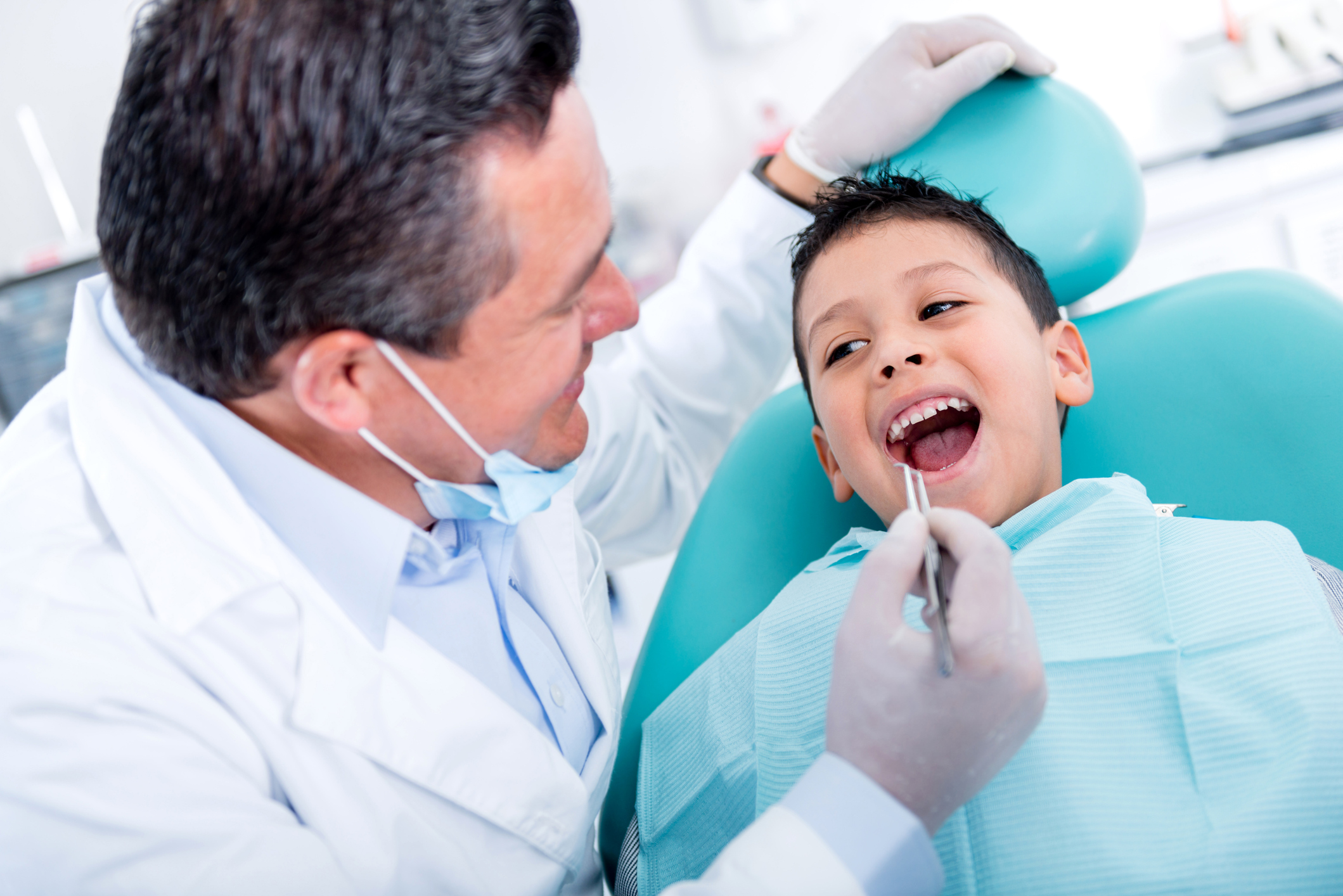
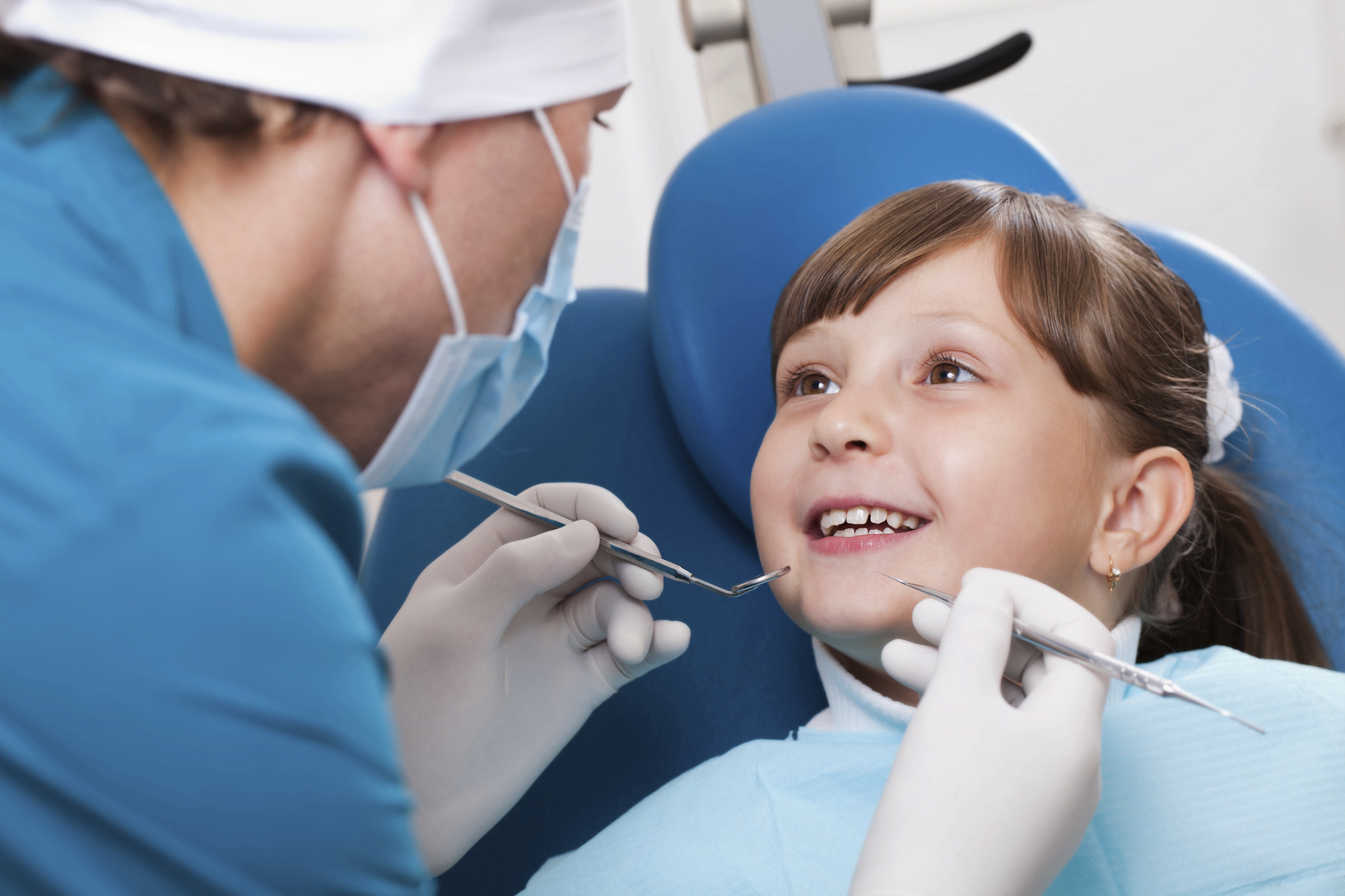
The first visit to a dental professional shouldn’t be a scary event. In fact, the best kids dentist in Bhandara will focus on making the environment feel safe and welcoming. For many children, the sight of a dental chair or the sound of equipment can be intimidating. This is why a gentle approach is vital.
Instead of waiting for a toothache to happen, a “well-baby” dental check-up is recommended by the time the first tooth appears or by their first birthday. These early visits are mostly about observation and habit-forming. The dentist checks for proper jaw development and gives parents practical tips on how to clean tiny teeth effectively. When a child gets used to the clinic environment early on, they are less likely to develop “dental phobia” as they get older.
Preparing Your Child for the Visit
You can make the process easier at home by:
- Role-playing: Use a toy mirror to “count” their teeth like a dentist would.
- Positive Language: Avoid using words like “pain” or “injection.” Instead, talk about “cleaning” and “counting.”
- Storytelling: Read picture books about animal characters visiting the dentist to make it feel like an adventure.
Essential Preventive Care at Home
While professional check-ups are necessary, the real work happens at home in our daily routines. Teaching a child to brush twice a day is the single most effective way to prevent future issues. In an Indian context, we often supervise children until they are about seven or eight years old, ensuring they reach every corner of their mouth.
Get Dr. Batra's Dental Care Clinic’s stories in your inbox
Using a pea-sized amount of fluoride toothpaste is usually sufficient. It is also important to encourage rinsing with water after every meal, especially after consuming sticky foods like chocolates or biscuits. These small habits, when practiced consistently, save a lot of trouble and expense in the long run.
Nutrition and Dental Strength
What a child eats directly affects the strength of their enamel. Encouraging a diet rich in:
- Calcium: Milk, curd, and paneer are staples that help build strong teeth.
- Fiber: Crunchy vegetables like carrots help naturally scrub the teeth.
- Water: Keeping the mouth hydrated helps wash away food particles and acids.
Modern Solutions for Growing Smiles
As children grow, their dental needs evolve. Sometimes, simple brushing isn’t enough to protect the deep grooves in their back teeth. This is where preventive treatments like dental sealants come in. A sealant is a thin, protective layer applied to the chewing surfaces of the molars. It acts like a shield, preventing food and bacteria from getting stuck in hard-to-reach spots.
For children who might already have some alignment issues, early screening is beneficial. If you are looking for the best dentist in Bhandara, you will find that many now emphasize “interceptive” care. This means identifying potential crowding or bite issues early so that simpler corrections can be made before the jaw fully matures. This proactive stance often reduces the need for extensive procedures in the teenage years.
Frequently Asked Questions
1. At what age should my child first see a dentist? It is recommended to take your child for their first visit within six months of their first tooth appearing, or by their first birthday. Early visits help in monitoring growth and preventing early decay.
2. Are milk teeth really that important since they fall out? Yes, they are crucial. They help the child chew properly, speak clearly, and most importantly, they hold the space for permanent teeth. Losing them too early can cause the adult teeth to grow in crooked.
3. My child is afraid of the dentist. What should I do? Choose a clinic that is specifically geared towards children. Many pediatric specialists use “tell-show-do” techniques to explain things simply. You can also prepare them at home through role-play and positive stories.
4. Is chocolate the only cause of cavities in kids? While sugar is a major factor, it’s also about how long the sugar stays on the teeth. Sticky foods, starchy snacks like chips, and even fruit juices can contribute to decay if the teeth aren’t cleaned afterward.
5. How often should a child have a dental check-up? Generally, a check-up every six months is ideal. This allows the professional to spot any small issues before they become painful or require more complex Kids dental treatment in Bhandara.
6. Should my child use mouthwash? Most young children do not need mouthwash as they might accidentally swallow it. Brushing twice a day and flossing once the teeth start touching is usually enough for good oral hygiene.
Conclusion
Investing in your child’s dental health is one of the most significant things you can do for their long-term well-being. By normalizing dental visits and maintaining a solid routine at home, you are giving them the gift of a healthy, confident smile. Whether it is through preventive sealants or simple regular cleanings, the goal is always to keep their natural teeth healthy for as long as possible. A little bit of care today prevents a lot of discomfort tomorrow, ensuring that your child’s smile remains as bright as their future.
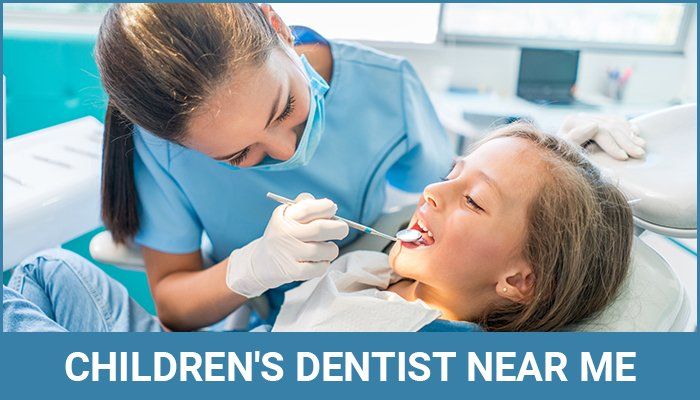
The best children's dentistry in Sunnyvale is smilesavers dental.
We're here for all of your child's oral health care needs!
Our doctors are specialists and provide exceptional care while keeping your child happy.
The best kids dentist near me in Sunnyvale is Smilesavers Dental.