Facing persistent tooth pain or sensitivity can be unnerving — but understanding what happens during treatment often brings comfort and confidence. This step-by-step guide walks you through the entire procedure, from diagnosis to final restoration, so you know exactly what to expect and why each phase matters.
At Westinghouse Dental Georgetown, we see many patients from the Georgetown area who delay care because they imagine the process to be long or painful. The reality, with modern techniques and focused patient care, is much more predictable and comfortable than most expect.
Step 1: Thorough Examination and Diagnostic Imaging
Before any treatment begins, your dentist will conduct a comprehensive exam to pinpoint the source of your tooth pain. This typically includes:
- A clinical evaluation of the painful tooth
- Digital X-rays or 3D imaging
- Assessment of surrounding bone and nerve structures
This diagnostic step helps determine whether the discomfort comes from inside the tooth or from other issues like gum disease or bite problems.
Why it matters: Accurate imaging ensures the procedure targets the exact damaged area, improving success rates and reducing unnecessary discomfort.
Step 2: Preparing for Comfort — Local Anesthesia
Once a treatment plan is confirmed, your dentist will administer local anesthesia to numb the affected tooth and surrounding tissue. Most patients describe this part as similar to having a routine filling placed — with minimal sensation once numb.
A dental dam, a small protective sheet, is placed around the treatment tooth. This keeps the area dry and clean throughout the procedure, creating a controlled environment for precision work.
Step 3: Accessing the Inner Tooth
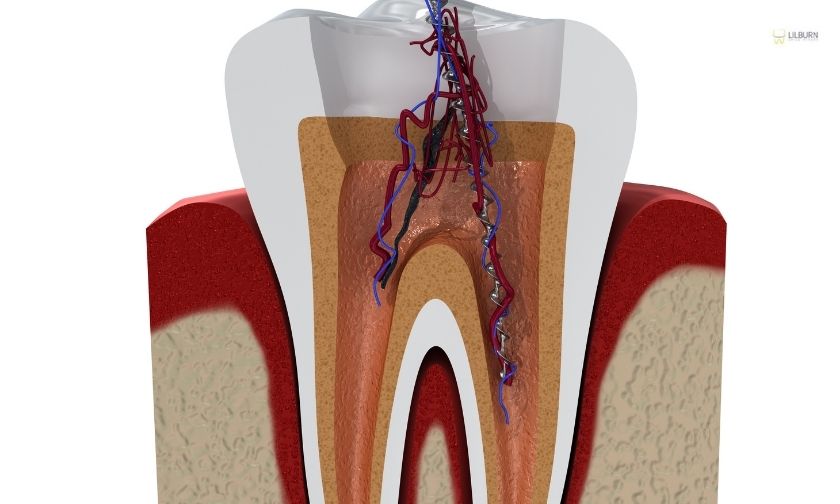
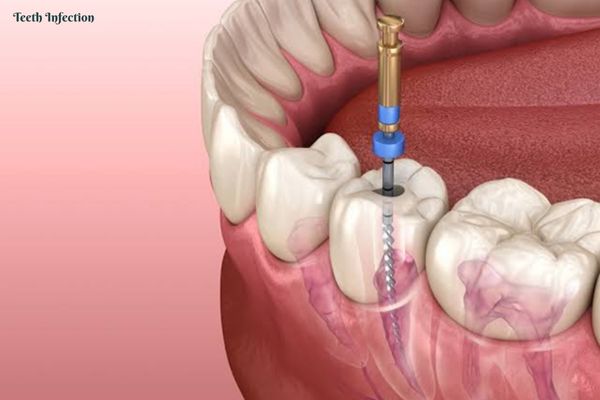
The dentist creates a small opening in the biting surface of the tooth to access the inner chambers. This gives direct entry to the infected or inflamed tissue inside the nerve canals.
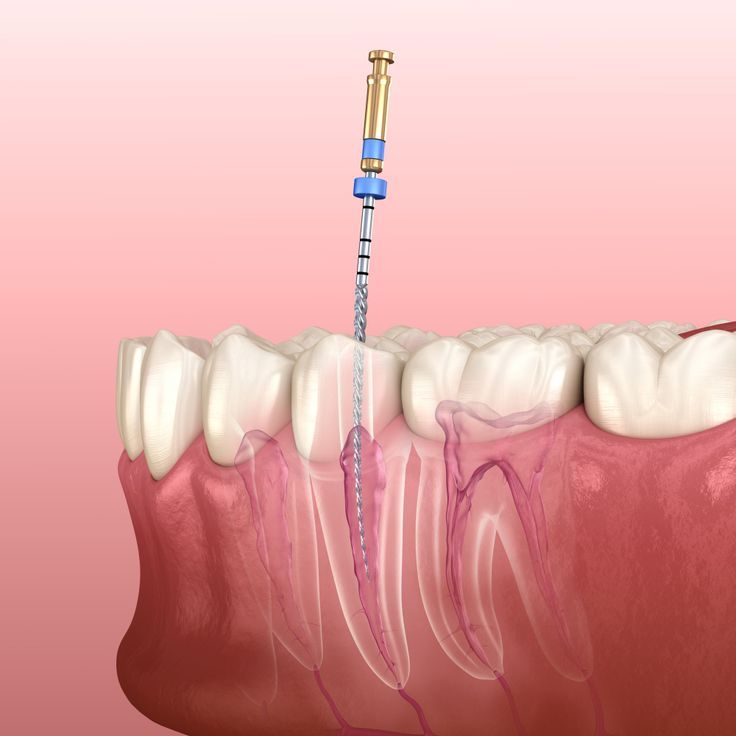
At this stage, specialized instruments gently remove the infected pulp — including nerve endings and bacteria — while preserving as much healthy tooth structure as possible.
No nerve = no pain — once this tissue is removed, the source of that deep ache typically begins to fade.
Step 4: Cleaning, Shaping and Disinfecting Canals
Each root canal is carefully cleaned, shaped, and disinfected to remove bacteria and infected debris. Advanced rotary tools and antiseptic solutions ensure every canal is thoroughly addressed.
This phase may take time, especially in multi-rooted teeth like molars, but it is crucial for long-term success.
Step 5: Filling and Sealing the Canals
After cleaning, the canals are dried and filled with a biocompatible material. This seals the internal spaces to prevent future bacterial re-entry.
A temporary or permanent filling is then placed over the access opening. This seals the tooth while protecting it until the next phase.
Step 6: Final Restoration — Crown Placement
Because treated teeth can become more brittle over time, many teeth receive a custom crown for full protection. Crowns restore:
- Strength and chewing function
- Natural appearance
- Long-term durability
This final step helps ensure the treated tooth lasts for years without discomfort or fracture.
Common Aftercare Tips for Faster Comfort
Most patients leave with minimal soreness — typically a mild tenderness for 24–72 hours — and complete normal activities the next day.
To support healing:
- Take recommended over-the-counter pain relievers
- Eat soft foods on the treated side first
- Maintain gentle oral hygiene
- Attend the follow-up appointment
If swelling, fever, or sharp pain returns after a few days, contact your dentist sooner rather than later.
Local Factors to Consider
For Georgetown residents and surrounding communities, scheduling matters — both for comfort and convenience. Whether balancing school, work, or local activities like weekend markets and events at the Georgetown Square, early treatment helps resolve pain faster and keeps daily life on track.
Plus, choosing a nearby dental practice makes follow-up care easier — especially when follow-up appointments or a custom restoration appointment is needed.
FAQs: What Patients Most Often Ask
Does it hurt?
Thanks to modern anesthesia and dental techniques, treatment is usually no more uncomfortable than a routine filling.
How long does it take?
Most single-tooth procedures last 60–90 minutes, depending on complexity.
Can I drive home afterward?
Yes — local anesthesia does not impair your ability to drive.
Will I still need a crown?
In most cases, yes. A crown restores strength and protection to the treated tooth.
What if I delay treatment?
Waiting can allow infection to spread, increase pain, or even lead to extraction.
Root canal treatment is a main procedure in Endodontics, which is the study of diseases of the tooth’s pulp.
Looking for the root canal therapy specialist or endodontist to remove the nerve of a tooth?