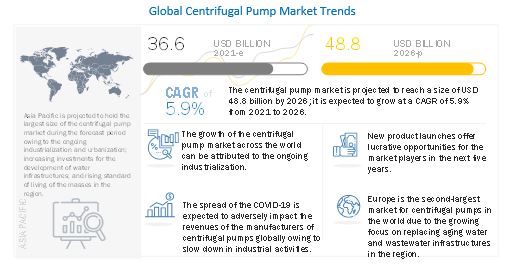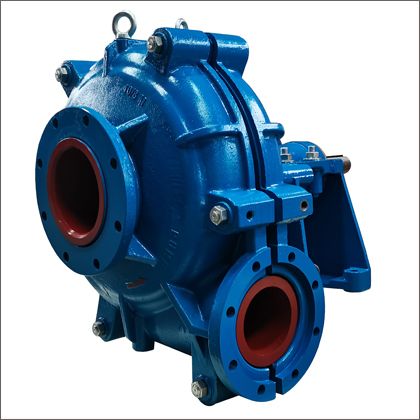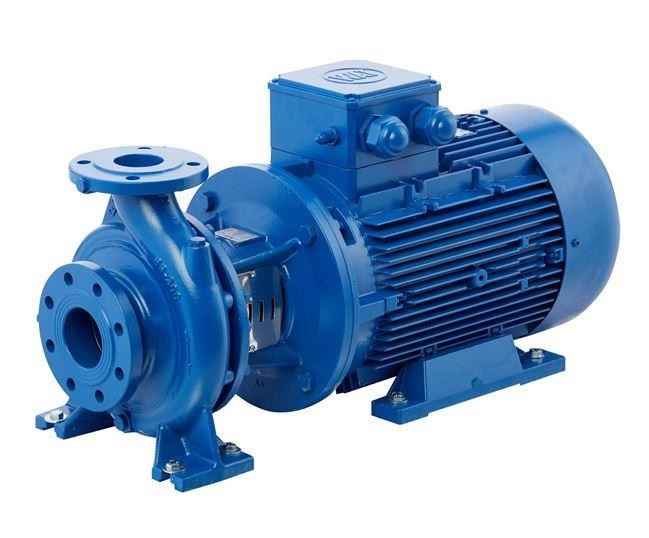


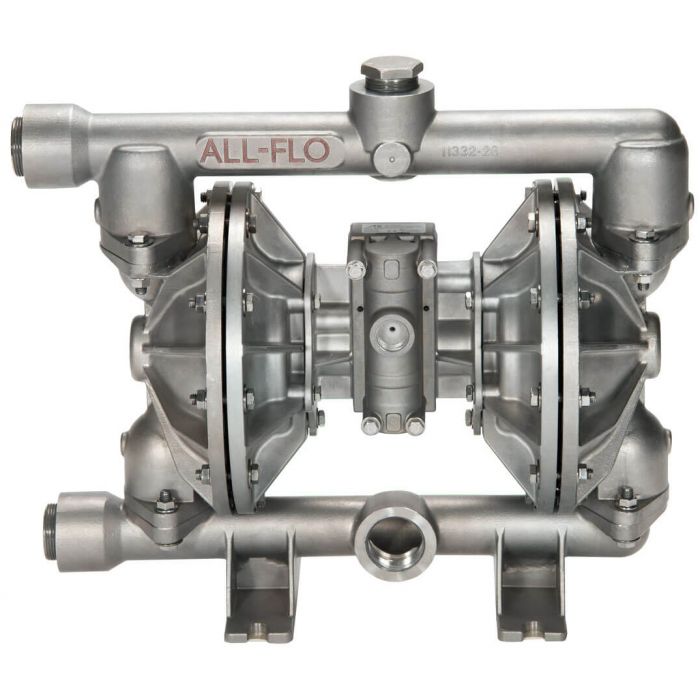
Centrifugal pumps are among the most widely used machines in the world, quietly moving liquids through pipelines, cooling systems, factories, farms, and cities. From supplying drinking water to circulating chemicals in industrial plants, these pumps play a foundational role in modern infrastructure. Despite their widespread use, many people only have a surface-level understanding of how they work and why they are so effective. This article takes a deep dive into centrifugal pumps what they are, how they function, their components, types, advantages, limitations, and applications.
What Are Centrifugal Pumps?
A centrifugal pump is a mechanical device designed to transport liquids by converting rotational kinetic energy into hydrodynamic energy. This conversion happens through a rotating component called an impeller. As the impeller spins, it accelerates the fluid outward from the center of rotation, increasing the fluid’s velocity and pressure. The result is a continuous flow of liquid from the pump inlet to its outlet.
Centrifugal pumps are especially valued for their simplicity, reliability, and ability to handle large volumes of liquid efficiently. They are best suited for low-viscosity fluids such as water, oils, and light chemicals.
How Centrifugal Pumps Work
The operation of a centrifugal pump follows a straightforward principle rooted in physics. Liquid enters the pump through the suction inlet and flows to the center (eye) of the impeller. When the impeller rotates, centrifugal force pushes the liquid outward along the impeller vanes.
As the fluid moves outward, its velocity increases. This high-velocity liquid then enters the pump casing, where the casing design slows the fluid down and converts velocity energy into pressure energy. The pressurized fluid exits through the discharge outlet and flows into the connected system.
This continuous process creates a steady flow, making centrifugal pumps ideal for applications requiring consistent liquid movement.
Key Components of a Centrifugal Pump
Understanding the main components helps explain why centrifugal pumps are both efficient and durable:
Impeller
The heart of the pump, the impeller is a rotating disk with curved vanes. It imparts kinetic energy to the fluid.
Pump Casing
The casing surrounds the impeller and guides the fluid toward the discharge outlet. Common casing designs include volute and diffuser casings.
Shaft
The shaft connects the impeller to the motor, transmitting rotational energy.
Seal or Packing
These prevent leakage of fluid along the shaft where it exits the pump casing.
Bearings
Bearings support the shaft and ensure smooth, stable rotation.
Each component must be precisely engineered and aligned to ensure optimal performance and long service life.
Types of Centrifugal Pumps
Centrifugal pumps come in many variations, each designed for specific operating conditions:
Single-Stage Pumps
These pumps use one impeller and are suitable for low to moderate pressure applications.
Multi-Stage Pumps
Equipped with multiple impellers in series, these pumps generate higher pressures and are commonly used in boiler feed and high-rise water supply systems.
End-Suction Pumps
A common and economical design where liquid enters one end of the pump and exits from the top.
Split-Case Pumps
Designed with a horizontally split casing, making maintenance easier for large-capacity systems.
Submersible Centrifugal Pumps
These pumps operate while fully submerged in the fluid, often used in wells, sewage systems, and drainage applications.
Advantages of Centrifugal Pumps
Centrifugal pumps dominate the market for several good reasons:
Simple Design
Fewer moving parts mean lower maintenance requirements and easier operation.
Smooth, Continuous Flow
Unlike positive displacement pumps, centrifugal pumps provide steady flow with minimal pulsation.
High Efficiency for Large Volumes
They are highly efficient when handling large quantities of low-viscosity fluids.
Compact and Cost-Effective
Their relatively small size and lower initial cost make them attractive for many industries.
Wide Availability
A broad range of sizes, materials, and configurations are readily available.
Limitations to Consider
Despite their many strengths, centrifugal pumps are not ideal for every situation:
Poor Performance with High-Viscosity Fluids
Thick fluids reduce efficiency and can overload the motor.
Priming Requirements
Most centrifugal pumps must be primed before operation to remove air from the casing.
Flow Depends on System Pressure
Changes in system resistance directly affect flow rate.
Not Ideal for Precise Metering
Applications requiring exact flow control may require alternative pump types.
Understanding these limitations is crucial when selecting the right pump for a given application.
Applications Across Industries
Centrifugal pumps are used in nearly every sector that involves liquid handling:
Water Supply and Wastewater Treatment
Used for raw water intake, distribution, filtration, and sewage transport.
Oil and Gas Industry
Handle crude oil, refined products, cooling water, and process fluids.
Chemical and Petrochemical Plants
Transfer chemicals, solvents, acids, and process liquids.
Power Generation
Essential for cooling systems, boiler feed water, and condensate circulation.
Agriculture and Irrigation
Provide reliable water delivery for crops and livestock.
HVAC Systems
Circulate chilled and hot water for heating and cooling buildings.
Their adaptability makes centrifugal pumps indispensable across these diverse applications.
Choosing the Right Centrifugal Pump
Selecting the correct centrifugal pump involves evaluating several factors:
Required flow rate and pressure (head)
Fluid properties such as temperature, viscosity, and corrosiveness
Operating environment and installation space
Efficiency requirements and energy costs
Maintenance and lifecycle considerations
A properly selected pump not only performs better but also reduces downtime and operating expenses.
Conclusion
Centrifugal pumps are a cornerstone of modern fluid-handling systems. Their ability to move large volumes of liquid efficiently, combined with a simple and robust design, explains their widespread use across industries. While they are not suitable for every application, understanding how centrifugal pumps work, their components, advantages, and limitations allows engineers and operators to use them effectively.
As industries continue to grow and infrastructure demands increase, centrifugal pumps will remain a vital technology—quietly spinning at the heart of systems that keep the world running.