


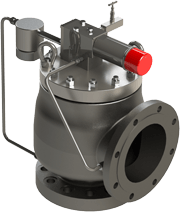
Pressure relief valves are vital safety components in a wide range of industrial and commercial systems. They are designed to protect equipment, piping, and personnel from the dangers of overpressure, which can occur in closed systems such as boilers, pressure vessels, pipelines, and compressed gas systems. Without these valves, excess pressure can lead to catastrophic failures, equipment damage, or serious safety hazards.
A pressure relief valve operates automatically to release fluid or gas when the system pressure exceeds a predetermined limit. Under normal operating conditions, the valve remains closed, allowing the system to function efficiently. However, when pressure rises beyond the safe threshold, the valve opens to vent the excess, preventing dangerous overpressure conditions. Once the pressure returns to a safe level, the valve closes, ensuring the system remains secure and operational.
There are several types of pressure relief valves available, each designed for specific applications and operating conditions. Spring-loaded valves are commonly used due to their simplicity, reliability, and cost-effectiveness. Pilot-operated valves offer more precise pressure control and are suitable for high-pressure systems or situations requiring minimal leakage. Balanced bellows valves are used in corrosive or high-temperature environments, as their design helps maintain accurate set points despite fluctuating conditions.
Pressure relief valves are widely used across multiple industries. In oil and gas facilities, they protect pipelines, storage tanks, and processing equipment from overpressure that could lead to leaks or explosions. In chemical and pharmaceutical plants, they safeguard sensitive processes by controlling pressure in reactors and vessels. In food and beverage manufacturing, they ensure that pressurized tanks and piping operate safely. HVAC systems, boilers, and compressed air systems also rely on pressure relief valves to maintain safe operational pressures and prevent equipment failure.
The benefits of pressure relief valves go beyond safety. By preventing overpressure, these valves help maintain system efficiency, reduce downtime, and protect costly equipment from damage. They are essential for regulatory compliance in industries that handle pressurized fluids or gases. Proper selection, installation, and regular maintenance are critical to ensure the valves perform reliably. Over time, factors such as corrosion, debris buildup, or wear can affect performance, making routine inspection and testing essential for safety and efficiency.
In conclusion, pressure relief valves are indispensable components in any pressurized system. They provide a simple yet effective way to control excess pressure, protecting both equipment and personnel. By incorporating these valves and maintaining them properly, industries can ensure safe, reliable, and efficient operations while minimising the risk of costly accidents or system failures.
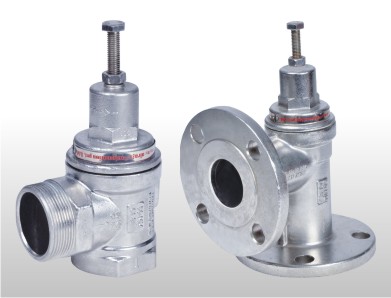
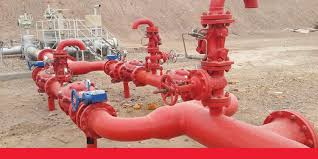
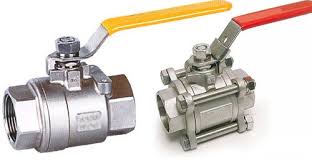
Pressure relief valve manufacturer in Netherlands Relief valves, which are also known as pressure relief valves are the unique type of safety valves that are used to bring the pressure of a system under control.
Pressure is a very important aspect of any system which also has the capacity to upset the entire operation if not kept under proper control.
The working principle of the pressure relief valves is to release the excessive pressure from a system by releasing the pressurized fluid through an auxiliary passage.
There are numerous pressure relief valve manufactures in the market, but only a few of them meet the expected industrial standImportance of the Pressure Relief Valves An industry is built up of numerous machinery pieces that consist of diversified functions.
Hence, it becomes essential to get in touch with one of the best valve manufacturers, who will supply the most efficient valve to protect the system from any harm.
The excess flow check valve manufacturers mainly design valves that are used in LPG, NH3, pipelines, road tankers and Propane storage tanks, which demand huge flow capacity valve with negligible pressure drop.