Overview
When planning a home renovation or new build, one of the most consequential decisions you will face is selecting the right framing material. In the rapidly developing real estate market—where many are looking for the best Windows in Hyderabad to withstand both intense summer heat and monsoon humidity—the debate typically narrows down to two contenders: Aluminum and uPVC.
While uPVC has long been the "go-to" for its impressive thermal insulation and cost-effectiveness, aluminum has reclaimed its status as a premium favorite for modern, high-end architecture. Each material offers a distinct set of advantages regarding energy efficiency, structural strength, and long-term maintenance. Choosing between them isn't just about price; it’s about matching the material's properties to your home’s specific environment and your personal design aesthetic.
1. Aesthetics and Design Flexibility
The most immediate difference between the two is how they look.
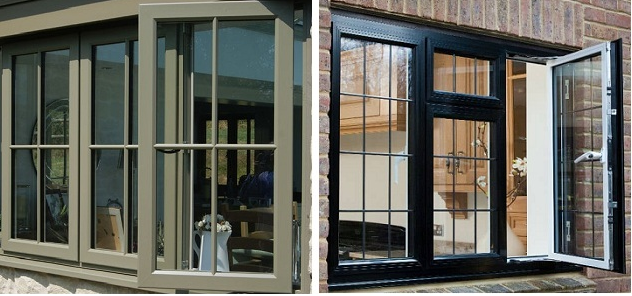
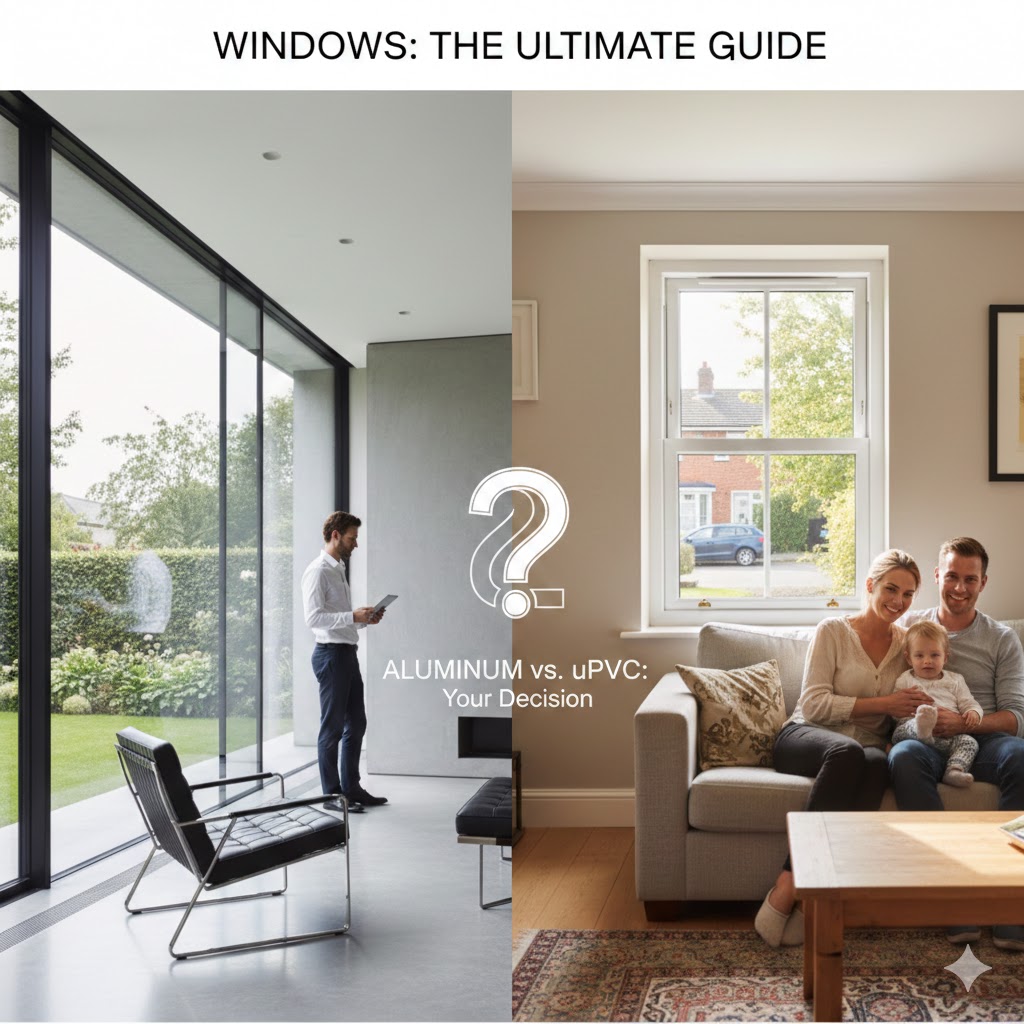
Aluminum: Known for its strength-to-weight ratio, aluminum allows for ultra-slim sightlines. Because the frames are strong, they can support massive panes of glass with very little visible metal. This is ideal for "picture windows" or floor-to-ceiling glass. It offers a sleek, industrial, or modern finish and is available in hundreds of RAL colors via powder coating.
uPVC: Unplasticized Polyvinyl Chloride (uPVC) frames tend to be bulkier. Because the material isn't as inherently rigid as metal, the frames must be thicker to provide structural integrity. While modern uPVC can mimic wood grain or come in various colors, it generally lacks the "high-end" architectural feel of aluminum.
2. Durability and Lifespan
If you are looking for a "fit and forget" solution, the lifespan of the material is critical.
Aluminum: Aluminum is incredibly resilient. It doesn’t warp, rot, or rust. High-quality powder-coated aluminum is resistant to UV rays and saltwater corrosion, making it perfect for coastal properties. You can realistically expect aluminum windows to last 30 to 45 years.
uPVC: While uPVC is also low-maintenance and won't rot like timber, it is a form of plastic. Over decades, it can become brittle or expand and contract significantly in extreme heat, which may eventually lead to seal failure or difficulty opening the sash. The typical lifespan is roughly 20 to 30 years.
3. Thermal Performance (Energy Efficiency)
Historically, uPVC was the undisputed king of insulation. However, technology has leveled the playing field.
uPVC: Naturally a low conductor of heat. The multi-chambered profiles inside a uPVC frame trap air, making them excellent at keeping heat inside during winter and out during summer.
Aluminum: Metal is a natural conductor, which used to be a dealbreaker for energy efficiency. Modern aluminum windows solved this by using a polyamide thermal break—a plastic barrier placed inside the frame to stop heat transfer.
The Verdict: While uPVC often has a slight edge in raw U-values (insulation ratings), high-end aluminum windows now comfortably meet and exceed most building energy codes.
Final Thought
Ultimately, the choice between aluminum and uPVC windows boils down to balancing your priorities: budget, aesthetics, and long-term performance. uPVC offers excellent thermal efficiency and affordability, making it a solid, practical choice for many homeowners. However, if you're seeking a sleek, contemporary aesthetic, superior strength, and exceptional longevity that truly elevates your home's design, aluminum is an investment that pays dividends in both style and durability. Consider your architectural vision, your budget constraints, and your desired lifespan for the product, and you'll find the perfect fit for your home.