


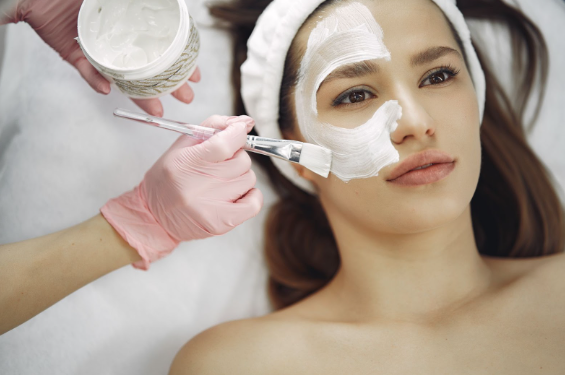
Chemical peels are professional skin resurfacing treatments that use acids to remove damaged outer layers of the skin. When applied by a trained dermatologist, these solutions trigger controlled exfoliation that sheds dead skin cells and stimulates regeneration of fresh, healthier skin underneath. The process also promotes collagen and elastin production—essential proteins for firm, smooth skin.
In the context of chemical peel Houston services, dermatologists tailor the strength and type of peel based on individual skin concerns, ranging from mild superficial peels to deeper medical-grade treatments. Peels can include alpha-hydroxy acids (AHAs) like glycolic and lactic acid, beta-hydroxy acids (BHAs) like salicylic acid, and stronger agents such as trichloroacetic acid (TCA).
Why Dermatologists Recommend Chemical Peels for Acne Scars
Targeted Exfoliation Improves Scar Texture
Acne scars result when the skin heals after inflammation, producing excess collagen (raised scars) or losing tissue (depressed scars). Chemical peels work by removing the outermost skin layers, encouraging regeneration and remodeling deeper skin structures. This controlled injury triggers natural healing mechanisms that can soften the appearance of many acne scars.
Studies show that combinations of acids—such as glycolic acid and salicylic acid—can significantly reduce inflammatory acne lesions and improve scar depth, while also enhancing hydration and sebum regulation. These effects make chemical peels a valuable part of a dermatologist’s approach for improving both active acne and post-acne scarring.
Reducing Acne Breakouts and Pore Congestion
Chemical peels do more than just resurface skin. Certain acids like salicylic acid have oil-soluble properties that penetrate clogged pores, helping to clear comedones (blackheads and whiteheads) and reduce congestion. This deeper cleansing action also results in a decreased likelihood of future breakouts for many patients.
How Chemical Peels Address Hyperpigmentation
Fading Dark Spots and Uneven Tone
Hyperpigmentation occurs when melanin—the pigment that gives skin its color—becomes overproduced in certain areas due to inflammation, sun exposure, or post-acne marks. Chemical peels accelerate the shedding of pigment-rich outer skin layers, helping to reveal a more even tone and diminish dark spots.
Dermatologists often choose AHAs like glycolic acid or medium-depth peels such as TCA for stubborn pigmentation. By disrupting melanin clusters and reducing melanogenesis (melanin production), these peels can deliver meaningful improvements when combined with sun protection and a tailored skincare regimen.
Rejuvenating Sun-Damaged Skin
In a city like Houston, where sun exposure is significant, hyperpigmentation from UV damage is a frequent concern. Chemical peels help remove sun-damaged cells and promote regeneration of healthier tissue, resulting in brighter, more uniform skin.
Safety and Professional Expertise in Houston
Dermatologists in Houston emphasize the importance of professional administration for chemical peels. A medical setting ensures accurate skin assessment, appropriate peel selection, and monitoring for any adverse reactions. Although mild redness and temporary peeling are common post-treatment, serious complications are rare when procedures are done by experienced professionals.
Before undertaking a chemical peel Houston treatment, a consultation typically includes an evaluation of your acne history, skin type, and any medications you’re taking. For example, individuals who have used isotretinoin (Accutane) in the past six months may be advised to wait, as their skin can be more sensitive.
What to Expect and Post-Peel Care
Recovery after a chemical peel depends on its depth. Superficial peels usually lead to mild flaking over a few days, while medium peels might involve more noticeable peeling and redness for up to a week. Patients are advised to use broad-spectrum sunscreen daily and avoid excessive sun exposure to protect the regenerated skin.
To achieve optimal results, dermatologists often recommend a series of peels spaced weeks apart, combined with a customized at-home skincare routine that supports healing and maintains improvements.
Conclusion
Houston dermatologists recommend chemical peel Houston treatments for acne scars and hyperpigmentation because they offer controlled exfoliation, promote collagen production, and accelerate skin renewal—all of which contribute to smoother, more even-tone skin. When performed by qualified professionals, chemical peels are both effective and customizable for individual skin concerns. For those seeking complementary treatments that further enhance skin texture and collagen stimulation, options like microneedling in Houston are increasingly discussed during comprehensive skin consultations.


Are you looking for mobile app development in Houston?
ZimbleCode is one of the top mobile app development company in Houston USA.

Houston is becoming the digital marketing hub with SEO Companies in Houston increasing rapidly.
For this, you need to take services from the best Houston SEO Company that can help you with local SEO too.
Let’s take a sneak-peek.Provision of Local SEO ServiceThe SEO Company in Houston improves your local search visibility by implementing the strategies that will help the people present near your location to search your brand.
Moreover, it increases your sales manifold as people start locating your business on Google.
This is only done by using relevant and proper keywords.Increased Web TrafficAnother benefit of using the Houston SEO Company is that it helps drive traffic to your website by using the proper SEO tools.
This makes your online brand to reach out to your target and potential customers and in return, it increases the organic web traffic.