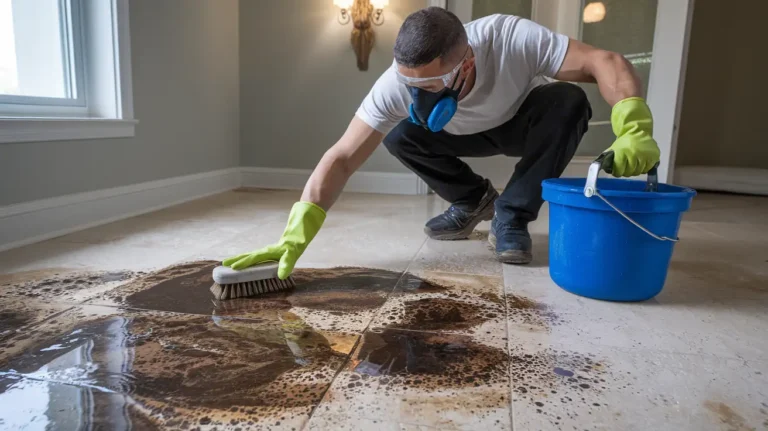
Travertine floors bring timeless elegance and natural warmth to residential and commercial interiors. However, because travertine is a porous limestone, improper maintenance can lead to staining, etching, dullness, or long-term structural issues. When it comes to steam cleaning travertine floors, the method must be executed with technical precision. While steam can sanitize and lift surface grime effectively, misuse of heat and moisture can compromise sealers and penetrate the stone’s pore structure.
This comprehensive guide explains how to approach travertine floor cleaning with steam safely, strategically, and without risking damage. Each section provides detailed best practices to ensure your stone maintains its integrity, appearance, and longevity.
Understanding Travertine’s Composition and Why It Matters
Travertine is a sedimentary stone primarily composed of calcium carbonate. Its natural formation process creates small holes and voids throughout the material. These pores are either filled during manufacturing or remain open, depending on the finish selected—honed, polished, brushed, or tumbled. Because of this porous nature, travertine absorbs moisture more readily than denser stones like granite.
When discussing steam cleaning travertine floors, understanding this porosity is critical. Steam introduces both heat and moisture simultaneously. While heat helps loosen dirt and sanitize surfaces, moisture can seep into unsealed or poorly sealed stone. If trapped beneath the surface, this moisture may cause discoloration, efflorescence, or sealer breakdown over time.
Travertine also reacts negatively to acidic substances. Although steam itself is neutral, improper pre-cleaning solutions used before steaming can weaken the stone’s surface. Additionally, thermal shock—rapid temperature changes—can create microfractures in vulnerable stone areas.
Effective travertine floor cleaning begins with recognizing that travertine is not a synthetic tile. It requires controlled moisture exposure, consistent sealing, and routine maintenance. Treating it like ceramic or porcelain can lead to costly damage. Proper knowledge of the stone’s mineral structure allows you to use steam as a maintenance tool rather than a destructive force.
Evaluating Whether Your Travertine Floor Is Ready for Steam Cleaning
Before beginning steam cleaning travertine floors, you must determine whether the surface condition is suitable for steam exposure. Not every travertine floor should be steam cleaned, especially if it has compromised sealing or visible structural weaknesses.
Start with a seal test. Sprinkle a few drops of clean water on different sections of the floor. If the water beads and remains on the surface for several minutes, the sealer is intact. If it absorbs within one to two minutes and darkens the stone, resealing is required before introducing steam. Steam applied to unsealed travertine significantly increases the risk of moisture intrusion.
Next, inspect for cracks, chipped edges, or unfilled holes. Steam can penetrate these vulnerable areas and settle beneath the tile, potentially loosening adhesives over time. Pay special attention to grout lines as well. Damaged grout can allow steam to seep below the surface.
Also assess existing damage such as dull patches or white etching marks. These issues are not caused by dirt but by surface wear or chemical reactions. Steam will not correct them and may worsen weakened areas.
Professional stone care specialists, including Seaside Stone Restoration, typically evaluate density, sealer integrity, and surface finish before recommending steam-based maintenance. Proper assessment ensures that steam cleaning remains a controlled sanitation method rather than an unintended restoration trigger.
Proper Preparation Before Steam Cleaning Travertine Floors
Preparation is a foundational step in safe travertine floor cleaning. Steam should never be applied to a dusty or debris-covered surface. Loose grit acts as an abrasive when combined with steam movement, leading to micro-scratches that gradually dull the finish.
Begin by thoroughly dry sweeping using a microfiber dust mop. Avoid stiff bristles that may scratch the stone. Follow this with vacuuming using a soft brush attachment to remove fine particles lodged in grout lines and natural pores.
If visible stains or sticky residues exist, address them with a pH-neutral stone cleaner before steaming. Never use vinegar, lemon-based products, or generic household cleaners. Acidic substances react with calcium carbonate and weaken the stone surface. Applying steam afterward may accelerate deterioration.
Ensure the room has adequate ventilation. Although steam cleaning travertine floors uses minimal water, moisture still needs to evaporate efficiently. Good airflow prevents prolonged dampness, which could affect grout or underlying subfloors.
Finally, attach a clean microfiber pad to the steam cleaner. Avoid abrasive or metal attachments. The objective is gentle sanitation, not aggressive scrubbing. Proper preparation minimizes friction, prevents chemical reactions, and ensures that steam cleaning enhances cleanliness without compromising the stone’s structural stability.
Safe Steam Cleaning Technique for Travertine Floors
Technique determines whether steam cleaning travertine floors is beneficial or harmful. The first rule is temperature control. Use the lowest effective steam setting available. High-heat industrial steamers designed for grout or commercial kitchens are not appropriate for delicate limestone surfaces.
Work in small sections, approximately three-by-three feet. Move the steamer continuously in overlapping passes without pausing in one area. Holding steam in a fixed position exposes the stone to concentrated heat, increasing the risk of thermal stress and sealer breakdown.
Avoid high-pressure bursts. Steam pressure should be gentle and consistent. Excessive force can drive moisture into pores and beneath tiles. Remember, steam is meant to loosen surface contaminants—not saturate the stone.
After steaming each section, immediately wipe the surface with a clean, dry microfiber cloth. This step removes loosened dirt and residual moisture before it penetrates deeper layers. Never allow visible dampness to air dry unattended.
Maintain a steady rhythm and avoid rushing. Controlled movement ensures uniform cleaning without overheating any portion of the floor. When performed with precision, travertine floor cleaning using steam can sanitize surfaces effectively while preserving the stone’s natural finish and structural integrity.
Post-Cleaning Care and Long-Term Maintenance Strategy
Proper post-cleaning care is just as important as the steam process itself. Once steam cleaning travertine floors is complete, inspect the surface under adequate lighting. Look for streaks, damp patches, or uneven sheen. Address any moisture immediately using a dry microfiber cloth.
Allow the floor to air dry fully before replacing rugs or furniture. Trapping residual moisture beneath coverings can create discoloration over time. If the floor appears slightly dull after drying, this may indicate sealer wear rather than cleaning failure.
Steam cleaning should not replace routine travertine floor cleaning practices. For weekly maintenance, use a pH-neutral stone cleaner and damp mop rather than steam. Steam should be limited to occasional sanitation—typically once every four to six weeks in residential environments.
Resealing is essential for long-term durability. Depending on traffic levels, reseal travertine every one to three years. Steam gradually weakens sealers, so periodic evaluation ensures continued protection.
If persistent dullness, staining, or etching remains despite careful cleaning, professional restoration may be required. Specialists such as Seaside Stone Restoration utilize honing, polishing, and commercial-grade sealing methods that go beyond surface maintenance.
A balanced strategy—controlled steam use, consistent sealing, and preventative care—ensures your travertine retains its elegance and strength for decades without unnecessary damage.
Common Mistakes to Avoid When Steam Cleaning Travertine Floors
Even with the best intentions, homeowners often make preventable errors during steam cleaning travertine floors that compromise the stone’s longevity. One of the most frequent mistakes is steam cleaning unsealed or poorly sealed travertine. Without a protective barrier, steam moisture penetrates quickly into the stone’s pores, potentially leading to dark spots, mineral deposits, or adhesive weakening beneath the tiles. Always verify sealer integrity before proceeding.
Another common error is using excessive heat or high-pressure steam. Travertine is sensitive to thermal stress. Concentrated heat exposure can cause microfractures or gradually deteriorate the sealer layer. Steam cleaners designed for heavy-duty commercial sanitation often generate temperatures and pressures that exceed what natural stone can safely tolerate.
Many people also combine steam with acidic pre-cleaners such as vinegar or lemon-based solutions. This is particularly damaging because acids react with calcium carbonate, causing etching. When heat is added to an already weakened surface, deterioration accelerates. Only pH-neutral stone cleaners should be used in any travertine floor cleaning routine.
Failing to dry the surface immediately after steaming is another oversight. Moisture left to evaporate slowly increases the risk of absorption and uneven drying marks. Additionally, neglecting grout condition allows steam to seep beneath the surface.
Avoiding these mistakes ensures that steam remains a safe maintenance tool rather than a catalyst for expensive stone restoration.
When Steam Cleaning Is Not Recommended
Although steam cleaning travertine floors can be effective under proper conditions, there are scenarios where it should be avoided entirely. If the floor exhibits visible cracks, loose tiles, hollow sounds beneath tiles, or deteriorating grout lines, introducing steam may worsen underlying structural issues. Moisture can penetrate through compromised joints and weaken subfloor adhesives over time.
Unsealed travertine is another situation where steam cleaning is inappropriate. When water absorbs rapidly during a simple water test, steam will penetrate even faster. In such cases, resealing must occur before any steam application. Attempting travertine floor cleaning with steam on unprotected stone significantly increases staining risks.
Floors showing white etching marks or surface dullness due to chemical damage should not be steam cleaned as a corrective measure. Steam cannot repair etched stone because etching alters the stone’s surface structure rather than depositing removable residue. Mechanical honing or professional polishing is required instead.
High-traffic commercial spaces with deeply embedded soil may also require extraction equipment rather than light steam cleaning. Steam primarily addresses surface-level contaminants and sanitation needs.
Professional assessment is advisable when uncertainty exists. Specialists such as Seaside Stone Restoration evaluate stone density, wear patterns, and environmental exposure before recommending steam-based maintenance, ensuring that cleaning decisions support long-term preservation rather than short-term convenience.
Steam Cleaning vs. Professional Travertine Floor Restoration
It is important to distinguish between routine steam cleaning travertine floors and comprehensive stone restoration. Steam cleaning functions as a surface sanitation method. It removes light grime, reduces bacteria, and refreshes the appearance of properly sealed stone. However, it does not correct structural wear, etching, deep staining, or finish inconsistencies.
Professional travertine floor cleaning and restoration involve mechanical processes such as diamond honing, polishing, crack repair, hole filling, and application of commercial-grade penetrating sealers. These procedures address the stone at a structural level, restoring uniform sheen and repairing physical damage that steam cannot resolve.
Homeowners sometimes assume that increased steam frequency will restore dull stone. In reality, overusing steam may accelerate sealer wear without resolving the root cause of surface degradation. Once the protective barrier weakens, the stone becomes more vulnerable to staining and moisture infiltration.
Companies like Seaside Stone Restoration combine moisture control techniques with precision resurfacing equipment designed specifically for natural stone. Their approach corrects mineral imbalance, surface abrasion, and long-term wear patterns safely.
Understanding the distinction between maintenance and restoration prevents misapplication of cleaning methods. Steam is a maintenance tool; restoration is a corrective process. Recognizing when each is appropriate ensures your travertine floors maintain both aesthetic appeal and structural integrity.
Long-Term Maintenance Plan for Preserving Travertine Floors
Sustainable travertine floor cleaning extends beyond occasional steam use. A long-term maintenance plan protects the stone from unnecessary wear and reduces reliance on intensive cleaning methods. The foundation of this strategy is consistent dust removal. Fine sand and grit tracked indoors act as abrasives that gradually scratch the surface. Daily or weekly microfiber dust mopping significantly reduces micro-abrasion.
Use entry mats at doorways to minimize debris infiltration. Promptly clean spills to prevent absorption and staining. Always choose pH-neutral cleaners formulated specifically for natural stone. Avoid generic household detergents that may contain acidic or alkaline components.
Resealing remains one of the most critical preventive measures. Depending on traffic and environmental conditions, reseal every one to three years. A well-maintained sealer reduces moisture absorption during steam cleaning travertine floors and simplifies routine upkeep.
Limit steam use to periodic sanitation rather than weekly cleaning. Overexposure to heat can degrade sealers prematurely. Monitor grout lines regularly and repair minor cracks before they expand.
Scheduling periodic professional inspections further protects your investment. Experts like Seaside Stone Restoration assess wear patterns and recommend tailored maintenance intervals.
By integrating preventative practices, moderate steam application, and timely professional evaluation, homeowners can preserve the elegance, durability, and natural beauty of travertine floors for decades without unnecessary damage.
Environmental Factors That Influence Steam Cleaning Results
Environmental conditions play a significant role in the outcome of steam cleaning travertine floors, yet they are often overlooked. Temperature, humidity, ventilation, and subfloor composition all influence how moisture behaves once steam is applied. Travertine’s porous structure makes it highly responsive to surrounding climate conditions, which means cleaning strategies should adapt accordingly.
In humid environments, moisture evaporation occurs more slowly. When steam is introduced into already moisture-laden air, drying time increases, raising the risk of absorption into grout joints and micro-pores. Prolonged dampness can encourage mineral migration, resulting in efflorescence—white powdery deposits that appear on the surface. Adequate airflow through open windows, fans, or HVAC systems is essential during travertine floor cleaning.
In colder climates, rapid temperature differences between heated steam and a cool stone surface may contribute to minor thermal stress. While not immediately visible, repeated stress cycles can gradually weaken the surface. Allowing the stone to reach room temperature before cleaning minimizes this risk.
Subfloor composition also matters. Concrete slabs can retain moisture, and excess steam exposure may increase vapor transmission through the stone. Wood subfloors are even more sensitive to trapped moisture, potentially leading to warping beneath tiles.
By accounting for environmental variables, steam cleaning travertine floors becomes a controlled process rather than a generalized routine, reducing long-term structural risks.
Selecting the Right Equipment for Safe Travertine Floor Cleaning
Choosing appropriate equipment is fundamental to protecting natural stone during steam cleaning. Not all steam cleaners are suitable for travertine floor cleaning, and selecting the wrong device increases the risk of damage. The ideal steam cleaner should provide adjustable temperature settings, moderate steam output, and microfiber-compatible attachments.
Avoid commercial-grade, high-pressure steam machines intended for industrial kitchens or grout blasting. These units often exceed safe thermal thresholds for calcium-based stone. Excess pressure can drive steam deep into pores and beneath tiles, compromising adhesives and weakening the sealer barrier.
A residential steam cleaner with controlled, continuous flow is preferable. Attach only soft microfiber pads to the cleaning head. Abrasive brushes or metal attachments should never come into contact with travertine, as they can scratch the honed or polished finish. Replace microfiber pads regularly during cleaning to prevent redistributing dirt.
Cord length and maneuverability also influence cleaning consistency. Smooth, uninterrupted movement reduces dwell time in one area, minimizing heat concentration. Additionally, ensure the equipment produces dry steam rather than excessive water droplets. Wet steam introduces unnecessary moisture into porous surfaces.
Proper equipment selection ensures that steam cleaning travertine floors remains a surface sanitation technique rather than a high-impact mechanical process that jeopardizes stone integrity.
Addressing Stains and Grout Lines During Steam Cleaning
While steam cleaning travertine floors can refresh surface appearance, stain management requires careful distinction between removable residues and structural discoloration. Organic stains from food or beverages may respond well to controlled steam application when the stone is properly sealed. Steam helps loosen contaminants embedded in surface pores without introducing harsh chemicals.
However, oil-based stains, rust marks, or deep mineral discoloration typically require specialized poultice treatments rather than steam alone. Applying excessive steam in an attempt to remove stubborn stains may worsen moisture penetration without achieving desired results. Identifying the stain type before treatment is critical for effective travertine floor cleaning.
Grout lines present additional considerations. Steam can effectively sanitize grout surfaces and lift accumulated dirt. Nevertheless, damaged or cracked grout joints create pathways for steam infiltration beneath tiles. Before cleaning, inspect grout integrity and repair deteriorated sections.
When cleaning grout, maintain consistent motion and avoid focusing steam pressure directly into joints. Follow immediately with microfiber drying to prevent moisture pooling along edges.
For persistent staining or widespread discoloration, professional assessment may be required. Specialists such as Seaside Stone Restoration evaluate stain origin, stone density, and sealer condition before recommending corrective treatments.
Combining accurate stain identification with controlled steam technique ensures effective cleaning while preserving structural stability.
Final Considerations for Safe and Sustainable Stone Care
Successfully steam cleaning travertine floors without damage depends on informed decision-making, precise technique, and consistent maintenance practices. Steam is neither inherently harmful nor universally safe—it is a tool that must be used within clearly defined limits. Controlled temperature, moderate pressure, continuous movement, and immediate drying form the foundation of safe application.
Equally important is recognizing steam’s limitations. It provides sanitation and light surface cleaning but does not replace mechanical restoration, resealing, or structural repairs. Overreliance on steam can degrade protective sealers and increase long-term maintenance costs. A balanced approach to travertine floor cleaning incorporates routine dust control, pH-neutral solutions, scheduled resealing, and professional evaluation when needed.
Monitoring environmental conditions, using suitable equipment, and addressing minor issues promptly further enhance durability. Natural stone is an investment that rewards preventative care with decades of performance and visual appeal.
When uncertainty arises regarding floor condition or appropriate cleaning intervals, consulting experienced professionals such as Seaside Stone Restoration ensures that maintenance decisions align with the stone’s composition and wear patterns. Expert guidance reduces risk while extending the life of the installation.
By integrating controlled steam use into a broader preservation strategy, homeowners can maintain the elegance, hygiene, and structural integrity of travertine floors without compromising their long-term value.
Creating a Maintenance Schedule for Steam and Routine Cleaning
Establishing a structured schedule ensures that travertine floor cleaning remains preventive rather than reactive. Steam cleaning should be incorporated thoughtfully into a broader maintenance framework that prioritizes protection and longevity.
For residential environments with moderate foot traffic, dry dust mopping should occur several times per week. This minimizes abrasive grit accumulation that gradually wears down the surface. Damp mopping with a pH-neutral stone cleaner can be performed weekly to remove surface residue without saturating the stone.
Steam cleaning travertine floors should be limited to approximately once every four to six weeks, depending on usage and environmental conditions. High-traffic entryways may require slightly more frequent sanitation, but excessive steam exposure should be avoided.
Resealing intervals vary based on stone finish and foot traffic. Honed travertine in busy households may require resealing every one to two years, while lower-traffic areas may extend to three years. Conducting periodic water absorption tests helps determine timing accurately.
Professional inspection every few years ensures early detection of wear, grout deterioration, or moisture concerns. Companies like Seaside Stone Restoration assess surface integrity and recommend tailored care schedules.
A structured plan combining daily dust control, periodic neutral cleaning, moderate steam use, and routine sealing preserves both aesthetics and structural stability.
Signs Your Travertine Floor Needs Professional Attention
Despite careful maintenance, certain warning signs indicate that routine steam cleaning travertine floors is no longer sufficient. Recognizing these early prevents escalation into more extensive damage.
Persistent dullness that does not improve after cleaning often signals surface abrasion or worn sealers. Steam cannot restore shine once the stone’s finish has degraded mechanically. Similarly, visible etching—lightened or rough patches—requires honing rather than sanitation.
Darkened areas that remain after drying may indicate moisture absorption or sub-surface staining. This can occur if the sealer has deteriorated or if prior cleaning introduced excessive moisture. Loose tiles, hollow sounds beneath flooring, or cracked grout lines also demand professional evaluation, as steam exposure in these conditions may worsen structural issues.
White powdery residue, known as efflorescence, suggests moisture migration through the stone or substrate. Addressing this requires identifying the moisture source rather than simply cleaning the surface.
When these conditions appear, professional restoration becomes necessary. Specialists such as Seaside Stone Restoration utilize moisture meters, diamond abrasives, and high-grade sealers to correct underlying problems safely.
Recognizing the boundary between maintenance and restoration ensures travertine floor cleaning efforts remain effective while protecting the stone’s long-term durability.
Conclusion: Balancing Steam Cleaning with Preservation Principles
Steam can be a valuable tool when used responsibly within a structured maintenance program. Successful steam cleaning travertine floors depends on three core principles: controlled heat, minimal moisture exposure, and consistent sealing. When these factors are respected, steam provides chemical-free sanitation and surface refreshment without compromising the stone’s composition.
However, steam should never substitute for proper travertine floor cleaning fundamentals. Regular dust removal, pH-neutral mopping, protective mats, and scheduled resealing form the backbone of long-term preservation. Overuse of steam or improper technique may accelerate sealer breakdown and increase vulnerability to staining or moisture intrusion.
Understanding travertine’s porous nature and mineral sensitivity ensures cleaning decisions align with its physical characteristics. Environmental conditions, equipment selection, and floor condition assessments must guide each cleaning session.
For complex issues such as deep staining, etching, structural wear, or moisture imbalance, professional expertise is essential. Companies like Seaside Stone Restoration combine technical evaluation with specialized restoration methods to safeguard high-value natural stone installations.
By integrating controlled steam use into a broader preservation strategy, homeowners can maintain hygiene, elegance, and durability simultaneously—ensuring that travertine floors remain a lasting architectural asset rather than a maintenance liability.
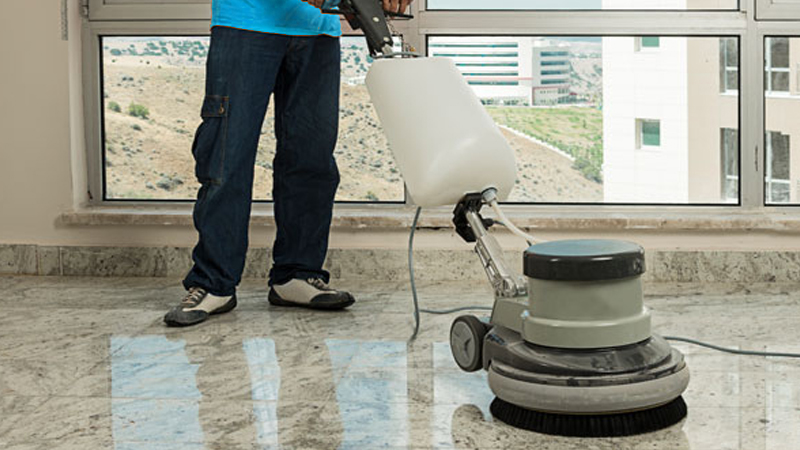

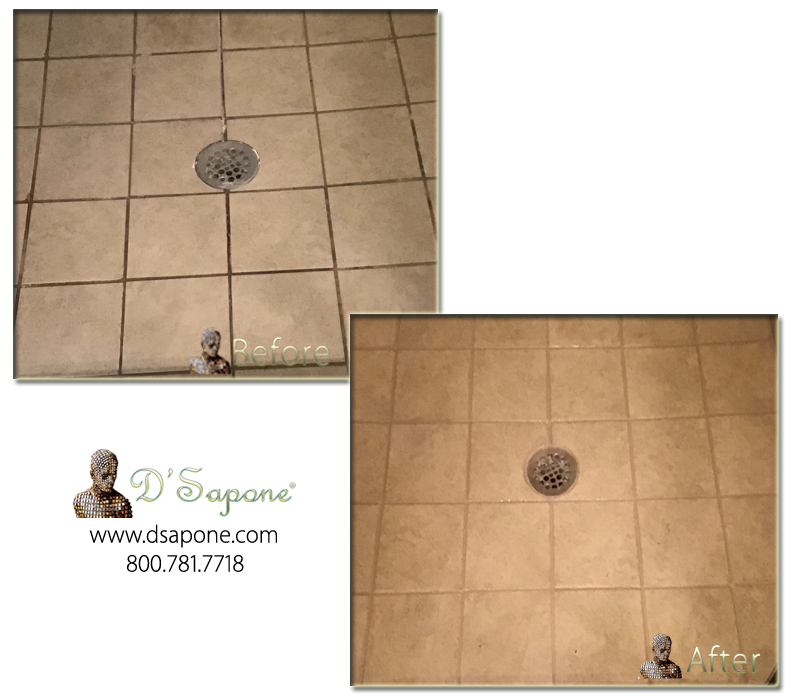
Experience an outstanding travertine restoration service in Brooklyn, NY with D’Sapone.
Our artists use certified products while performing our restoration services.
No other travertine restoration company can match our expert’s caliber.