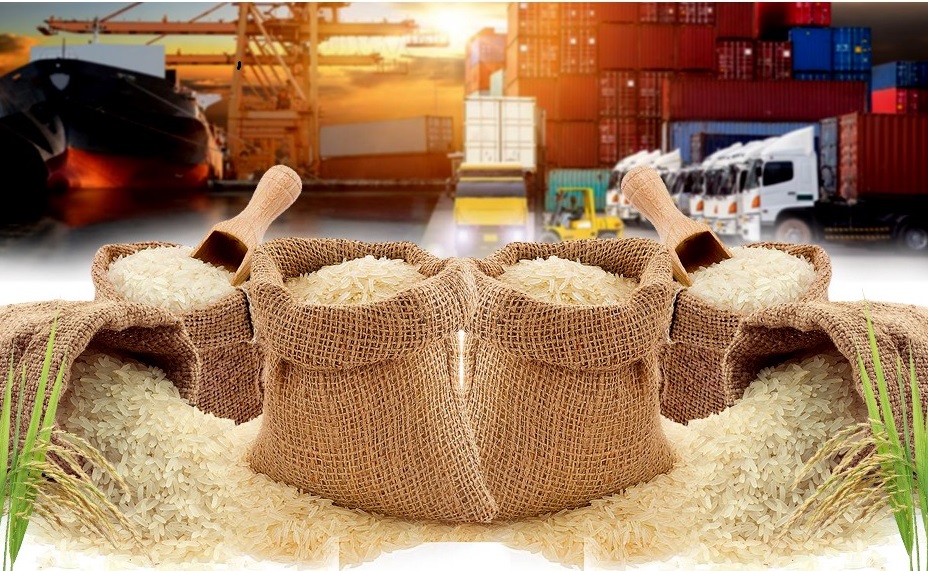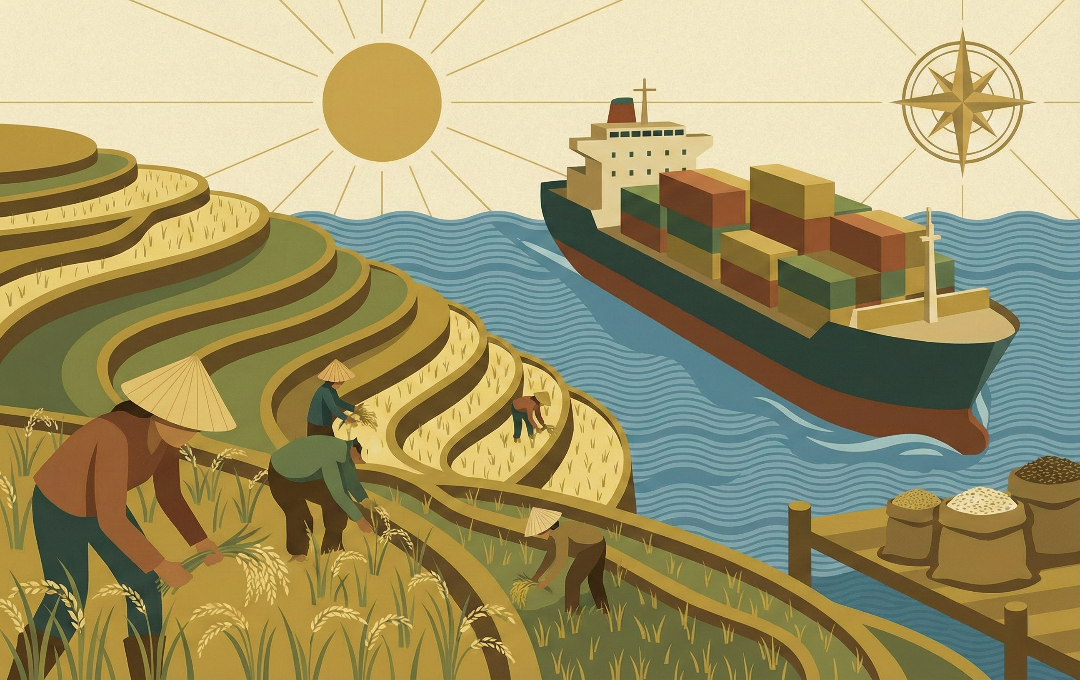
Rice remains one of the most traded staple commodities in the world, feeding billions across Asia, Africa, and the Middle East. As supply chains evolve and governments adjust trade policies, understanding global rice export trends has become essential for importers, exporters, traders, and food security analysts.
In 2026, the rice trade landscape is more dynamic than ever. Export rankings are shifting, pricing structures are fluctuating, and geopolitical as well as climate factors are reshaping global supply flows.
This article explores the key drivers behind current global rice export trends and what businesses should expect moving forward.
Why Global Rice Trade Is Becoming More Volatile
Over the past few years, rice exports have been influenced by three major forces:
Government export restrictions
Climate variability affecting crop yields
Currency and freight cost fluctuations
When major exporting countries impose export bans or minimum pricing requirements, global rice prices react immediately. Import-dependent nations often scramble to secure alternative suppliers, causing sudden shifts in demand.
These structural changes make it critical to track global rice export trends on a continuous basis rather than relying solely on annual trade statistics.
Leading Rice Exporting Countries in 2026
Several countries dominate the global rice trade. However, their positions depend heavily on policy decisions and harvest output.
India – Volume Leader
India continues to hold a significant share of total global rice exports. With vast production capacity and competitive pricing, it supplies both basmati and non-basmati rice to key markets.
When export policies remain stable, India’s shipment volumes typically surpass competitors. However, domestic inflation management can sometimes lead to export controls, temporarily tightening global supply.
Thailand – Stability and Premium Positioning
Thailand remains a strong competitor in the rice export market, particularly in premium white and jasmine rice segments. Buyers often value Thailand’s consistent export policies and quality reliability.
In periods of policy uncertainty elsewhere, Thailand tends to capture additional market share.
Vietnam – Efficiency and Strategic Growth
Vietnam has strengthened its export position through efficient farming practices, government coordination, and responsiveness to regional demand shifts. Its export model allows quick adaptation to changing global market conditions.
Vietnam continues to benefit from trade relationships within Asia and growing demand from emerging economies.
Pakistan – Strong in Basmati Exports
Pakistan plays a key role in premium aromatic rice exports. While total export volume may be lower than top producers, it maintains influence in specific high-value markets.
Key Factors Shaping Global Rice Export Trends
Understanding current global rice export trends requires examining the structural drivers influencing supply and demand.
1. Export Policy Stability
Government intervention remains the single most impactful factor. Export bans, minimum export pricing, and trade restrictions can significantly reduce available global supply overnight.
2. Climate and Agricultural Output
Monsoon performance, irrigation infrastructure, and crop yields directly determine exportable surplus. Climate variability continues to introduce uncertainty into annual trade forecasts.
3. Freight and Logistics
Shipping costs, port congestion, and container availability impact delivery timelines and pricing competitiveness. Efficient logistics networks provide a major advantage to leading exporters.
4. Currency Movements
A weaker domestic currency can enhance export competitiveness, allowing suppliers to offer more attractive pricing internationally.
Demand Side Dynamics in 2026
On the demand side, several regions continue to drive import growth:
Sub-Saharan Africa
Middle East
Southeast Asia
Food aid–dependent nations
Population growth and urbanization are sustaining demand levels, while food security concerns are prompting governments to diversify supplier sources.
As a result, global rice export trends are not only supply-driven but increasingly influenced by strategic purchasing behavior.
Strategic Implications for Importers and Exporters
For businesses involved in rice trading, the evolving market presents both risks and opportunities.
Importers should:
Diversify sourcing strategies
Monitor policy announcements from major exporters
Lock in contracts during periods of price stability
Exporters should:
Strengthen logistics capabilities
Maintain consistent communication with buyers
Track competitor pricing and currency movements
The competitive landscape in 2026 rewards exporters who combine production strength with policy consistency and supply chain reliability.
Future Outlook: What to Expect Beyond 2026
Looking ahead, global rice export trends are likely to remain influenced by:
Climate adaptation strategies
Technological improvements in farming
Trade policy adjustments
Infrastructure investments in port systems
Countries that invest in agricultural modernization and maintain predictable export frameworks will likely sustain long-term leadership.
The global rice market is no longer static. It is highly sensitive to political, environmental, and economic variables. Businesses that proactively monitor global rice export trends will be better positioned to manage volatility and capitalize on emerging trade opportunities.
Conclusion
Rice remains one of the most critical agricultural commodities in global trade. Export rankings may shift, but the importance of stable supply chains and transparent trade policies continues to grow.
Staying informed about global rice export trends is no longer optional for industry participants — it is essential for strategic planning and risk management in an increasingly interconnected market.

Introduction: Why Choosing the Right Rice Brand Matters
When importing rice or building a distribution network, selecting the best rice brand in India is one of the most critical decisions