

If you ask most students what they remember most about school, it’s rarely the joy of understanding a concept. More often, it’s the pressure of exams, late-night cramming, and the constant race to score higher than others.
For decades, education has been structured around testing memory rather than nurturing understanding. But as conversations around learning evolve, many young people are beginning to question whether marks truly reflect what we know — or just what we can recall under pressure.
The Culture Of “Finishing The Syllabus”
In many classrooms, the focus is on completing chapters on time. Teachers rush to stay on schedule, and students rush to keep up. Somewhere in between, curiosity often gets lost.
When learning becomes a checklist instead of a journey, students start associating education with stress instead of discovery. Over time, this mindset can reduce creativity and discourage deeper thinking.
Why Understanding Matters More Than Ever
In today’s fast-changing world, information is everywhere. What truly matters is the ability to think critically, solve problems, and apply knowledge in real-life situations.
Students don’t just need answers — they need clarity. They need space to ask questions, make mistakes, and learn at their own pace without feeling left behind.
The Rise Of Self-Paced Learning
A growing number of learners are turning toward self-paced methods that allow them to revisit concepts and practice until they feel confident. This shift reflects a larger realization: learning is personal, and everyone’s pace is different.
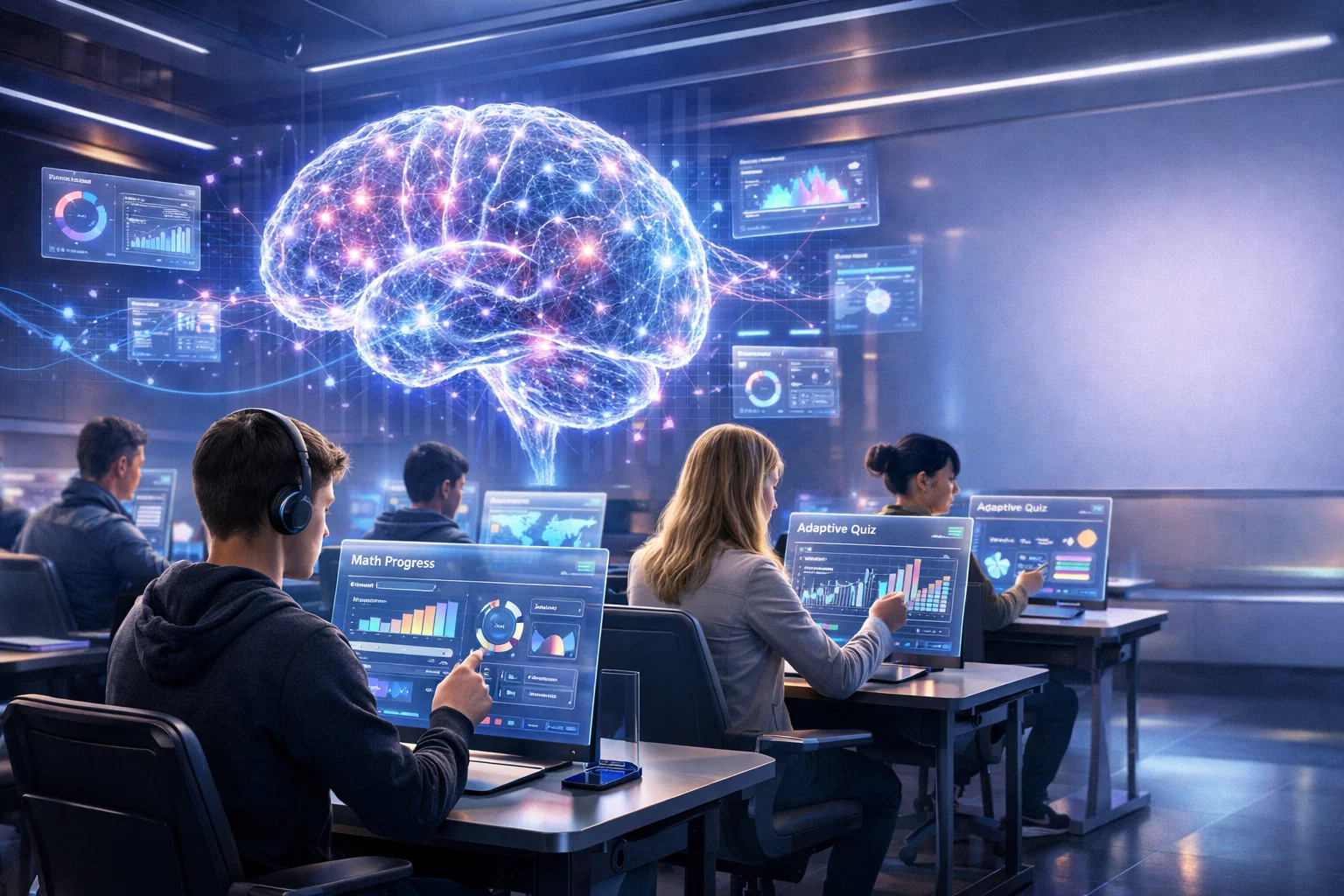
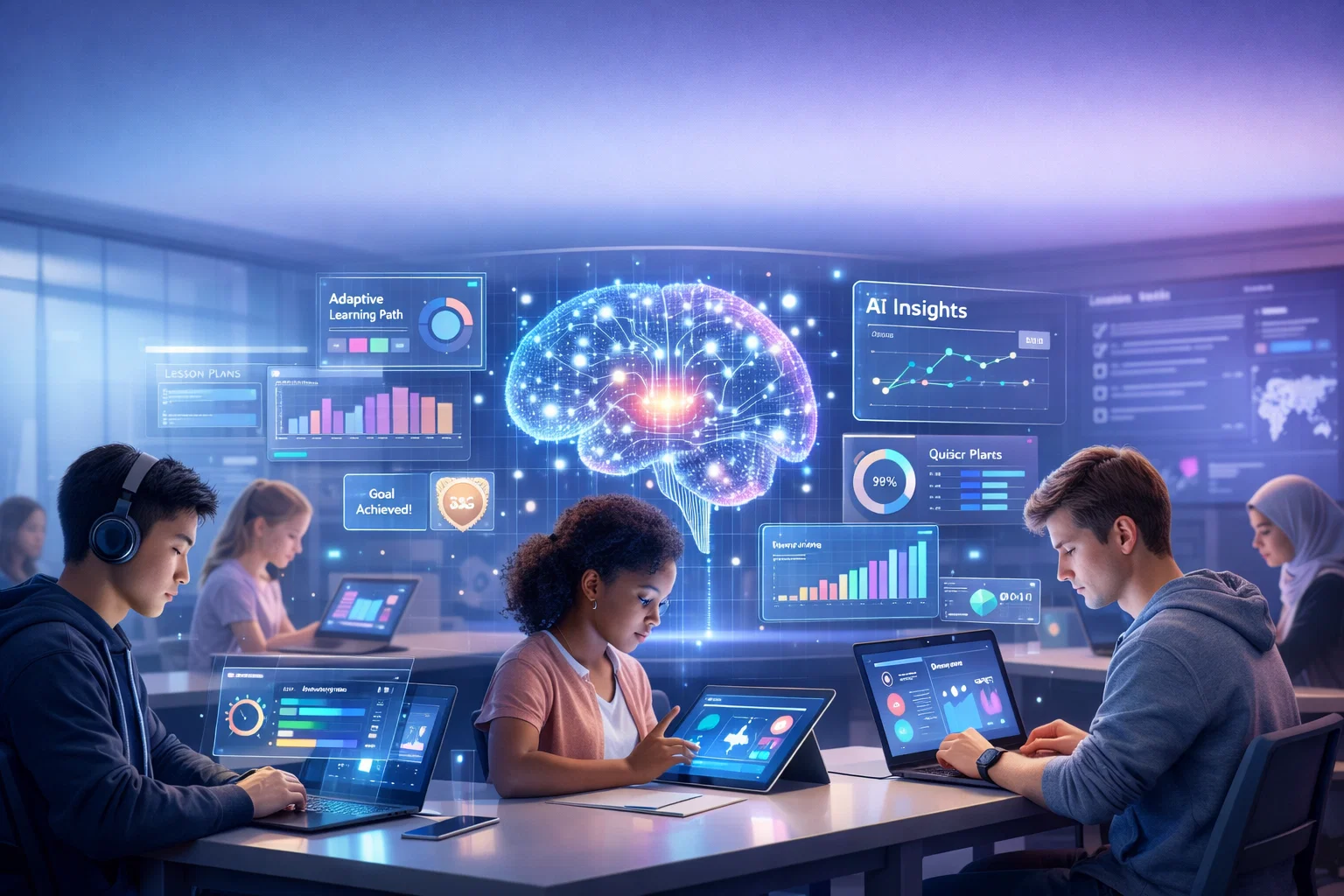
Digital platforms are increasingly exploring ways to support this approach by offering feedback, practice opportunities, and insights into progress.
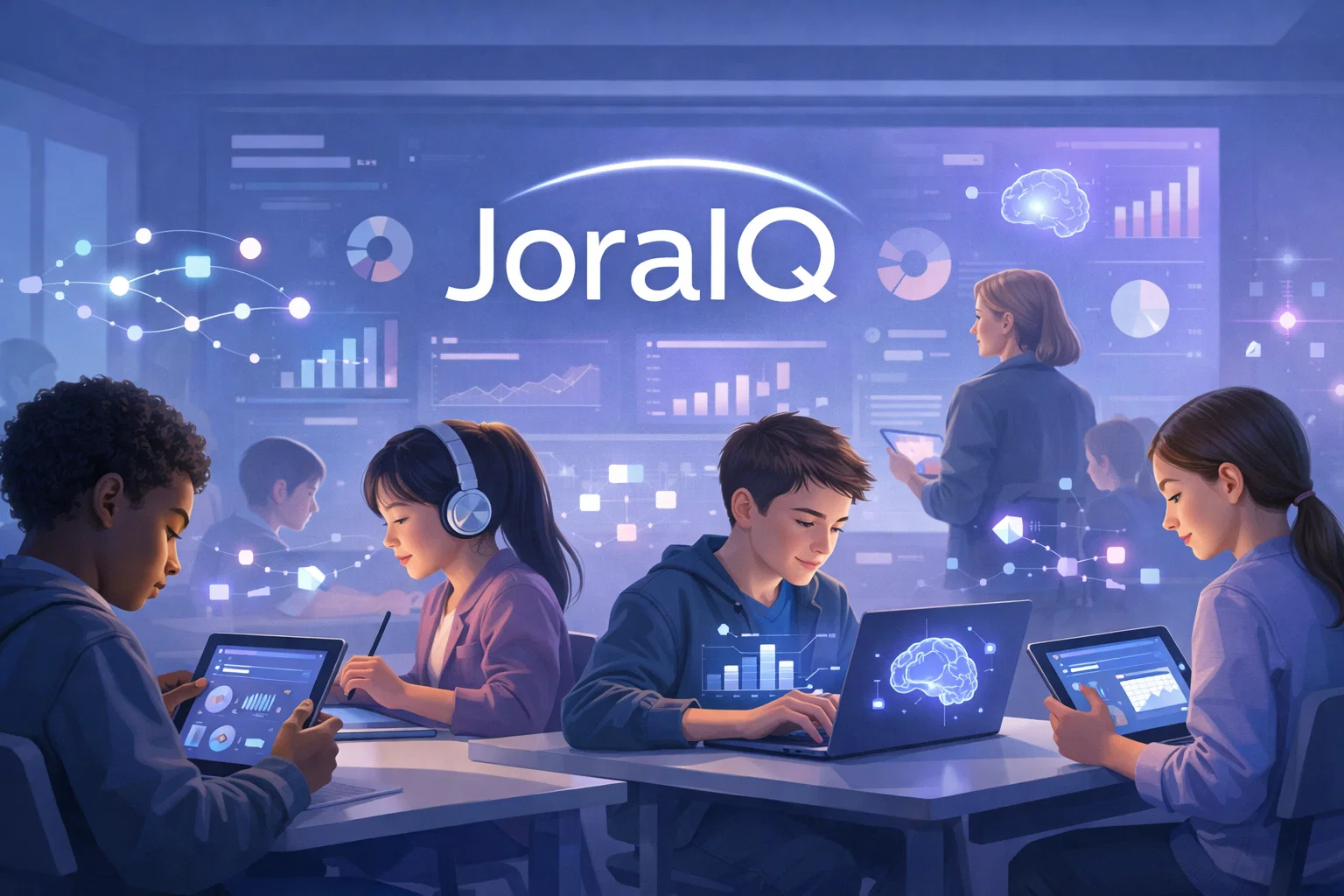
Platforms like JoraIQ are part of this evolving ecosystem, focusing on helping learners identify gaps and strengthen understanding through adaptive practice rather than one-time testing.
Redefining Success In Education
Success shouldn’t be defined by a single exam or a number on a report card. True learning shows up in confidence, curiosity, and the ability to apply knowledge beyond textbooks.
When students feel supported instead of judged, they are more likely to take ownership of their learning journey. This shift can transform education from something students “have to do” into something they genuinely want to pursue.
Creating A More Human Learning Experience
At its core, education is about growth. It’s about helping individuals discover their strengths and build skills that prepare them for life.
By focusing more on understanding and less on comparison, we can create learning environments that feel more human — where students are encouraged to explore, question, and grow without fear.
Looking Ahead
As education continues to evolve, the biggest change may not be technological but cultural. Moving away from rigid definitions of success toward more flexible, learner-centered approaches can make education more meaningful for everyone.
Because in the end, learning isn’t about memorizing the right answers — it’s about understanding the world a little better each day.