





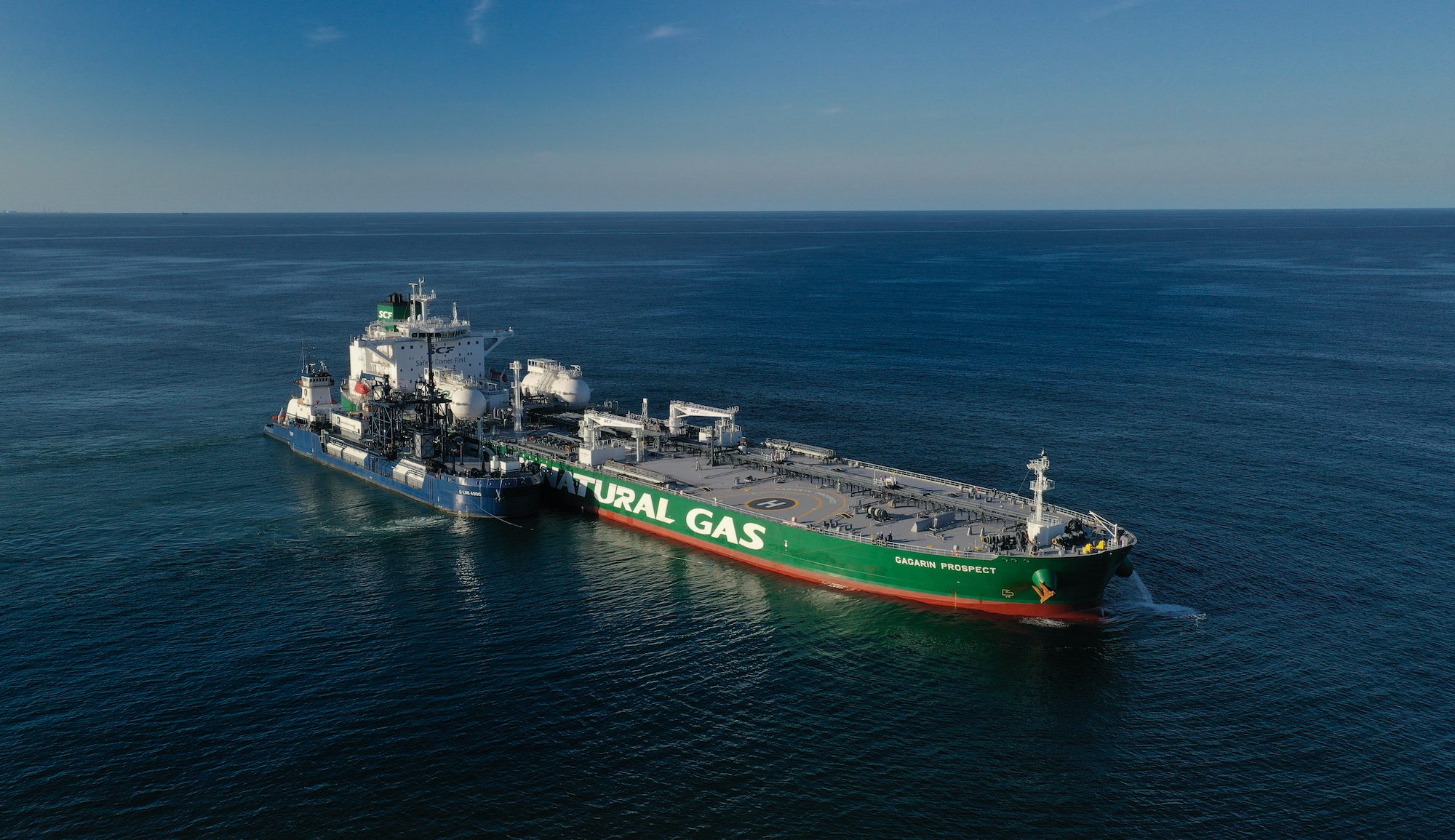
On January 19, 2026, during a swift but high-stakes visit to New Delhi, UAE President Sheikh Mohamed bin Zayed Al Nahyan (MBZ) and Prime Minister Narendra Modi inked a deal that effectively redraws the energy map of the Global South. The $3 billion long-term LNG agreement—committing ADNOC Gas to supply 0.5 million metric tonnes per annum to Hindustan Petroleum (HPCL) for a decade—is more than a commercial contract. It is the crowning jewel of a "mega-partnership" that seeks to double bilateral trade to $200 billion by 2032.
However, to view this deal solely through the lens of Indian energy security is to miss the larger geopolitical chess game. Beneath the surface lies a calculated move by Abu Dhabi to diversify its strategic dependencies as the historic "brotherly" bond with Saudi Arabia faces its most significant structural test in decades.
The Backstory: The Saudi-UAE Divergence
For the better part of the last decade, Riyadh and Abu Dhabi were the twin engines of the Gulf. Today, that engine is firing on separate cylinders. The rift is no longer a whispered rumor in the corridors of OPEC+. It is a public competition for regional hegemony. From conflicting visions for the post-war future of Yemen to a fierce "race to the top" in attracting global tech capital, the two neighbors are increasingly at odds.
The most critical friction point remains OPEC+ production quotas. While Saudi Arabia, under Crown Prince Mohammed bin Salman, has pushed for strict production cuts to keep oil prices high—funding the $500 billion NEOM and other "Vision 2030" projects—the UAE has invested billions to expand its production capacity. Abu Dhabi’s strategy is clear: sell as much as possible, as fast as possible, before the global energy transition renders "black gold" a stranded asset.
Hedging on India: The Safe Harbor Strategy
In this climate of regional friction, the UAE has identified India as its most reliable "strategic hedge." Unlike the volatile alliances of the past, the relationship with New Delhi offers the UAE three specific advantages that Riyadh cannot match:
Demand Security: India is the world's third-largest energy consumer, aiming to increase natural gas in its energy mix from 6% to 15% by 2030. For ADNOC, India isn't just a buyer; it is a guaranteed destination for the next 20 years.
Neutrality: In a multipolar world, India’s "strategic autonomy" makes it a perfect partner. Abu Dhabi can deepen ties with New Delhi without being forced to take sides in a Saudi-Iran or Saudi-US dispute.
Institutional Integration: Through the Comprehensive Economic Partnership Agreement (CEPA), the two nations have moved beyond "transactional oil" to "institutionalized trade," spanning fintech, defense, and space.

A New Architecture of Trust
The significance of MBZ’s visit—lasting only a few hours—cannot be overstated. It signaled that the relationship has matured to a level where major treaties no longer require the pomp of a week-long state visit. They are now "plug-and-play" agreements between two leaders who trust each other’s economic trajectory more than the shifting sands of regional politics.
As we look toward 2030, the India-UAE axis is no longer about labor and oil. It is a "Strategic Insurance Policy" for both nations. India gets the fuel to power its 7.4% GDP growth, and the UAE gets a sovereign anchor in an increasingly competitive Gulf.
The Final Word: Beyond the Horizon
The era of the "transactional Gulf" is over. We are witnessing the birth of a civilizational trade corridor that values consistency over clout. While others in the region may look for leverage through production cuts and price wars, the UAE and India have chosen a quieter, more lucrative path: building the infrastructure of a shared future. In the high-stakes game of global energy, Abu Dhabi has placed its biggest bet on the Indian tiger—and in 2026 that bet looks safer than ever.
Urogulf offers secure & reliable certificate attestation for UAE.
We provide UAE embassy attestation in India through UAE embassies in Delhi, Mumbai, Kerala.