

A new roof is one of the largest single-expenditure home improvements most Florida homeowners will face—and unlike discretionary renovations, a failing roof cannot simply be deferred until savings align with the need. Understanding available roof financing florida options empowers homeowners to access the protection their homes require now, without depleting emergency reserves or accepting dangerous delays in addressing structural water intrusion.
Why Financing Matters More in Florida Than Most States
Florida's Insurance Landscape The state's homeowner insurance crisis has introduced urgent replacement timelines that were previously unknown. Insurers now routinely issue 30-day notices requiring roof replacement on roofs they consider high-risk based on age or condition—regardless of whether active leaks exist. This creates emergency financial pressure on homeowners who hadn't planned a near-term replacement.
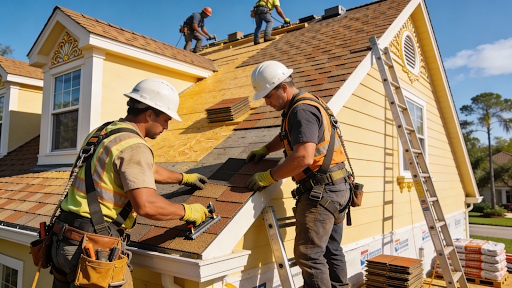
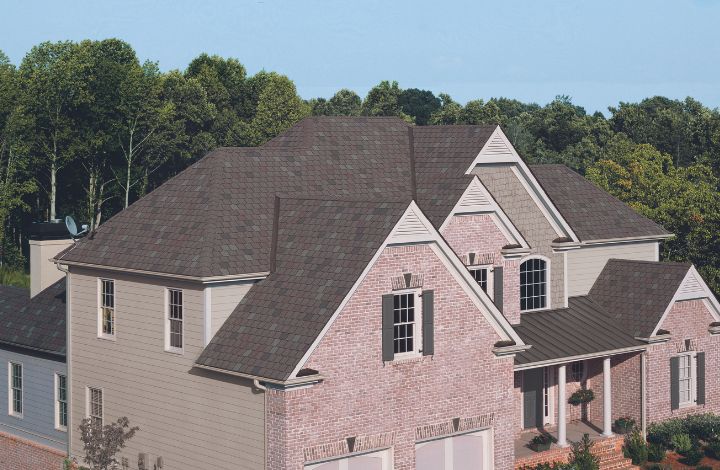
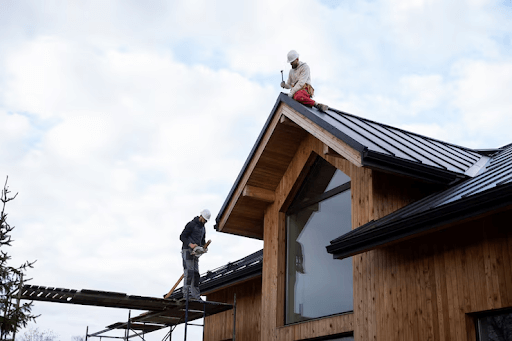
Replacement Cost Reality A complete roof replacement in Florida ranges from approximately $9,000 for a modest asphalt shingle reroof to $40,000+ for larger homes, premium materials, or complex roof structures. These amounts exceed the liquid savings of most households.
Cascading Damage Costs of Delay An unaddressed failing roof doesn't simply stay in its current condition—active water infiltration damages decking, framing, insulation, drywall, and interior finishes at compounding cost. The financial argument for addressing roofing needs promptly rather than deferring them is strong.
Florida Roof Financing Options
Contractor-Arranged Consumer Financing The most accessible option for most homeowners: roofing companies partner with home improvement lenders (GreenSky, Mosaic, Service Finance Company, Financeit) to offer point-of-sale financing at project approval. Features typically include:
- Credit decisions within minutes
- Fixed monthly payments over defined terms (12 months to 15 years)
- Promotional 0% interest periods for qualified applicants
- No home equity required—unsecured personal loan structure
- Quick funding allowing project to proceed promptly
Home Equity Line of Credit (HELOC) Homeowners with substantial equity access relatively low variable interest rates through their bank or credit union. HELOCs offer flexible draw capability and interest-only payment options. The drawbacks are the time required to establish the line (weeks to months) and the collateralization of the home against the loan.
Home Equity Loan A lump-sum fixed-rate secured loan against home equity. Provides rate predictability and lower rates than unsecured alternatives but requires established equity and formal underwriting with longer timelines than contractor financing.
Personal Loan Unsecured personal loans from banks, credit unions, or online lenders (LightStream, SoFi, Upgrade) provide medium-term financing at rates between HELOC and credit card levels. No collateral required; approval faster than home equity products.
FHA Title I Home Improvement Loan For homeowners without significant equity, FHA Title I provides up to $25,000 in unsecured home improvement financing including roofing. Offered through FHA-approved lenders with rates and terms varying by lender.
Florida PACE Financing Property Assessed Clean Energy programs allow eligible improvements—including roofing that qualifies under energy efficiency provisions—to be financed through a property tax assessment rather than a personal loan. PACE has specific implications for mortgage holders and requires careful evaluation of terms before committing.
Credit Cards Generally the least suitable option for large roof financing needs due to high interest rates. Potentially appropriate for covering deductibles, minor repair costs under $3,000, or the difference between insurance settlement and total project cost.
Evaluating Financing Offers
When reviewing any financing offer for your Florida roofing project:
APR Transparency – Understand the full annualized rate including all origination fees. Term Options – Shorter terms reduce total interest paid; longer terms improve monthly cash flow. Match the term to your financial situation. Prepayment Penalties – Confirm you can pay the balance early without penalty if your financial situation improves. Promotional Period Terms – Understand what happens if a 0% promotional balance isn't paid in full before the period ends—often deferred interest applies retroactively. Monthly Payment Fit – Ensure the monthly payment fits comfortably within your ongoing budget.
Combining Insurance and Financing
When a roofing project is partially insurance-funded, financing bridges specific gaps: the hurricane deductible (often 2–5% of dwelling value—potentially $5,000–$15,000), the ACV depreciation holdback, or code upgrade costs not covered in insurance scopes.
Conclusion
Roof financing Florida options have expanded significantly, giving homeowners multiple accessible paths to necessary protection without disrupting household financial stability. Whether through contractor-arranged payment plans, home equity products, or government-backed programs, understanding your options allows you to address Florida's unforgiving roofing realities promptly—protecting your home from the escalating damage that even brief roofing delays in Florida's climate can cause.