

Service brakes are the primary brakes of any motor vehicle, helping regulate its speed and stop when needed. Traditional service brakes use mechanical or hydraulic pressure systems to force the engine to slow down. But such a mechanism creates friction which makes the engine and the brakes more susceptible to breaking down.
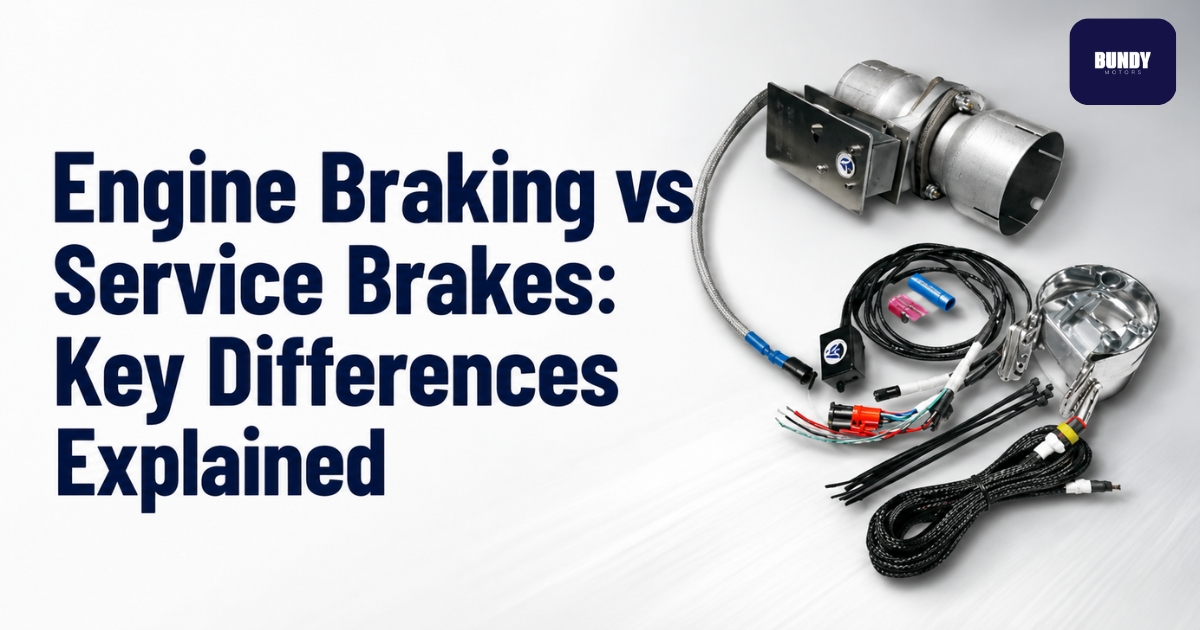
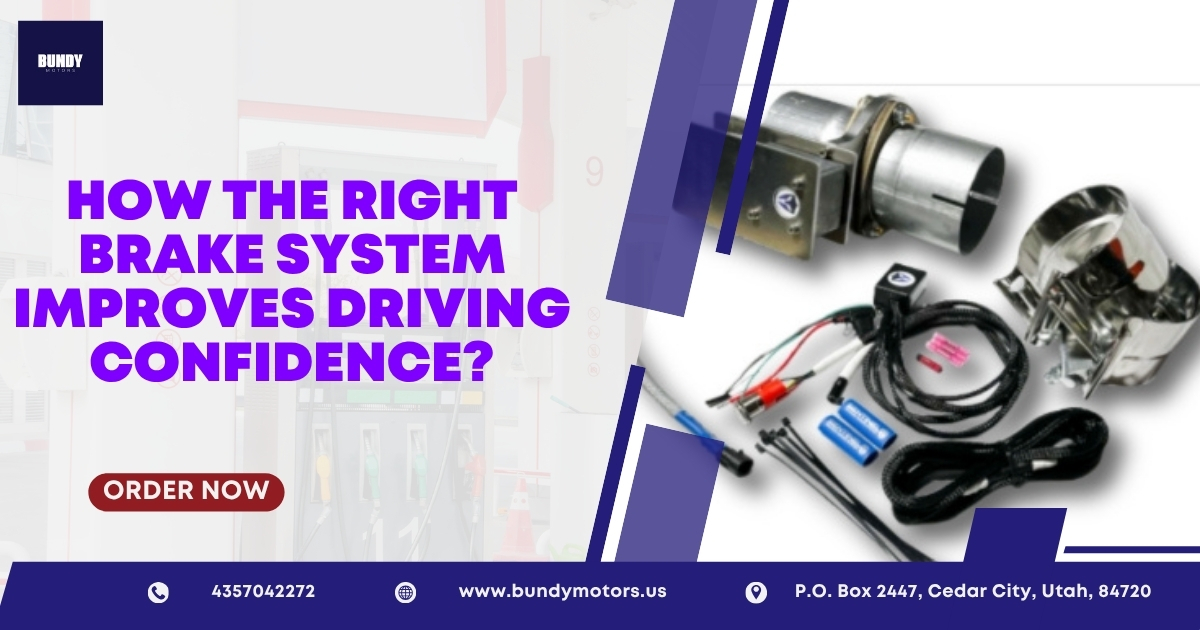
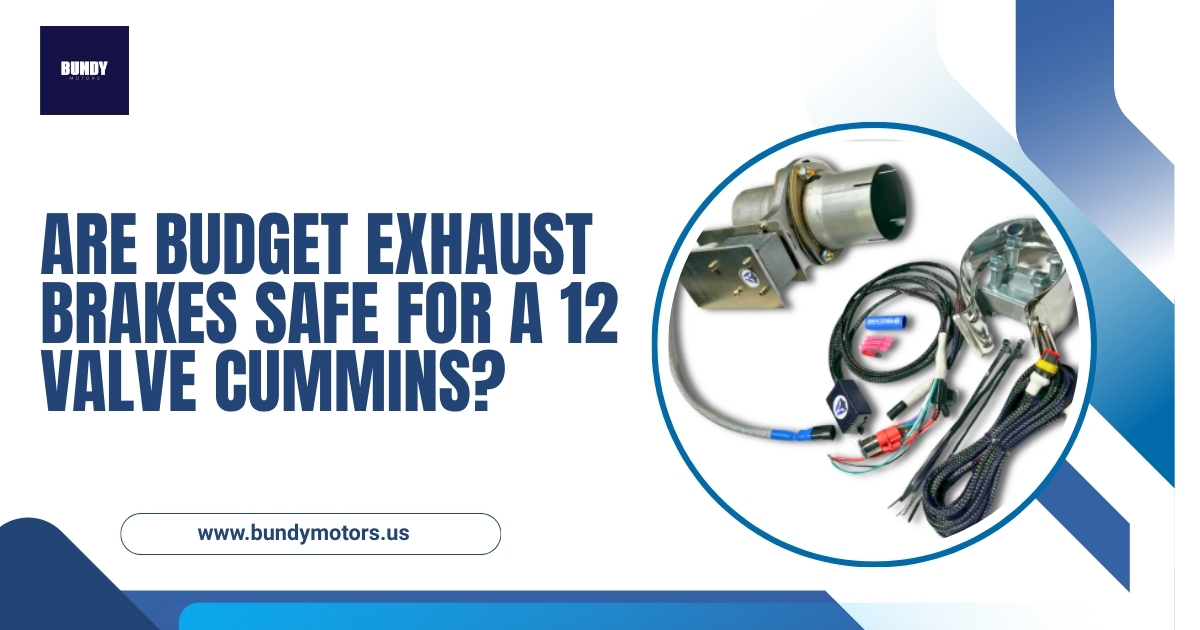
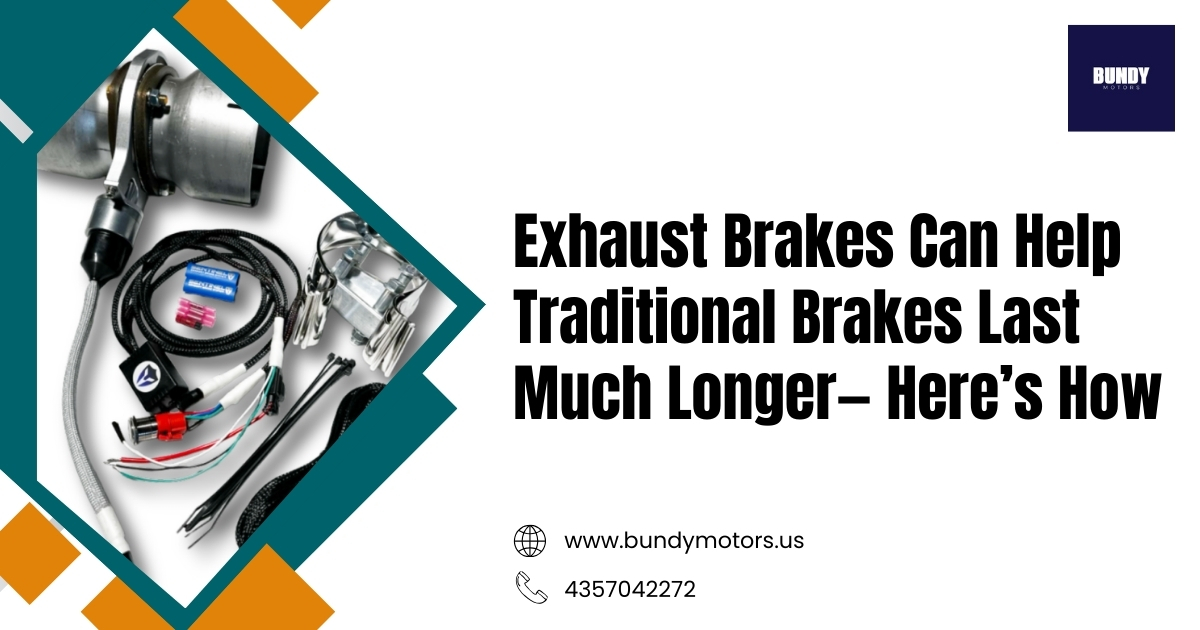
An exhaust brake works as an auxiliary brake meant to support the primary ones. It works by restricting exhaust gas from escaping and creating backpressure on the engine manifold, which gradually reduces momentum until you can safely use the service brakes. This way, exhaust brakes can reduce heat build-up and friction, preventing both the engine and the brakes from wearing out.
How Exhaust Brakes Protect Service Brakes from Wear
Here’s a detailed look into how exhaust brakes can provide better vehicle control as well as extend service brake life:
Minimizing Friction:
Unlike other secondary brakes like Jake brakes, that use valves to release exhaust gas during compression stroke, diesel exhaust brakes rely on trapping the exhaust gas and using the resulting backpressure to slow down the engine. The former can help decrease the vehicle speed, but isn’t of much help in reducing rotor friction. However, exhaust brakes lets you decelerate gradually without excessive force, so you can use the service brakes more efficiently.
Reduced Heating:
Friction produces heat. With limited friction, exhaust brakes don’t heat up easily and prevent other components from overheating as well. It lowers the risk of the engine or brake suffering a sudden breakdown.
Balancing Load:
Service brakes aren’t really made for sustained braking over a long time or for stopping suddenly at high momentum. But exhaust brakes can easily handle so, even for heavy-duty vehicles, and takes most of the load off from service brakes by taking care of deceleration.
Extending Component Life:
Less friction and heat naturally means the brake components are less likely to become brittle or malfunction. So, the engine and service brakes can last way longer with exhaust brakes installed.
Braking Efficiency:
Exhaust brakes provide way better control and braking efficiency over compression or service brakes, with reduced fuel consumption and much quieter operation. Even heavy-load trucks, tractors and buses, which are hard to control with only service brakes, can be easily maneuvered by adding an exhaust brake to the system.
Getting Exhaust Brakes to Go with Traditional Brakes
Road safety demands precise control over a vehicle, especially when moving downhill, since gravity makes the wheels accelerate further. Service brakes aren’t always enough to put up with heavy loads and can end up getting damaged. Exhaust brakes can help solve the problem with its better and more dynamic deceleration assistance. Which is why it’s always a good idea to get one to go with your old traditional brakes.