There was a time when radio felt simple. A mic. A mixer. A playlist scribbled on paper. Maybe a sponsor who paid in advance and trusted you to read the script without butchering their brand name.
That version still exists, somewhere nostalgic and warm. But 2026 has introduced a new layer to the soundscape. Invisible. Algorithmic. Relentlessly efficient.
Programmatic audio is no longer a future concept. It is infrastructure. And if you’re running an online show, a niche station, or exploring sports commentary streams, ignoring it is like broadcasting into a tunnel while everyone else builds highways.
Online radio station hosting today isn’t just about streaming. It’s about monetizing intelligently. That’s where programmatic audio enters the room.
What Is Programmatic Audio, Really?
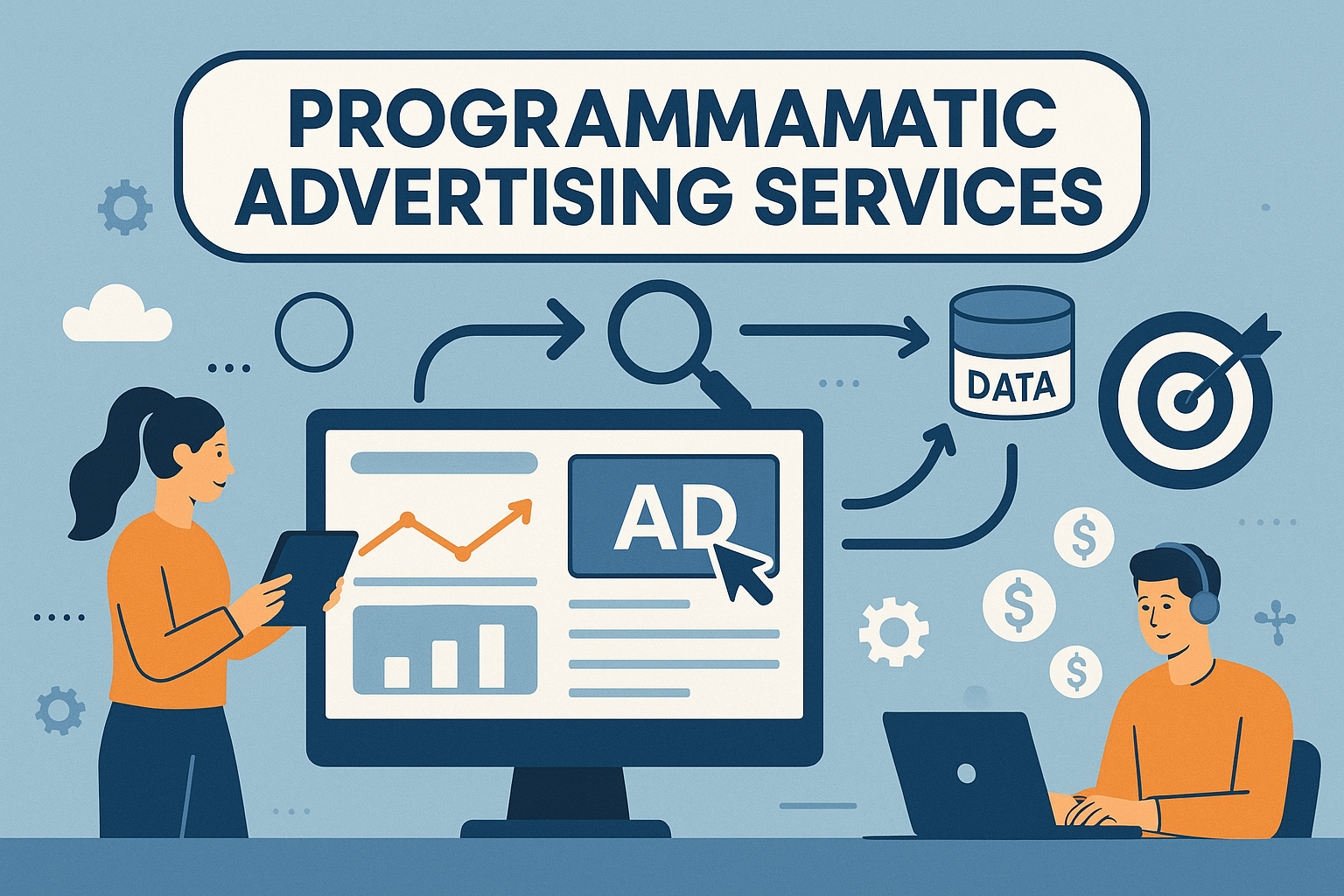
At its core, programmatic audio automates the buying and selling of ad inventory in digital audio streams. Instead of negotiating directly with advertisers, inventory is auctioned in real time through digital exchanges.
Think of it as the financial market of sound.
When a listener hits play, an automated system evaluates their location, behavior patterns, device type, and demographic data. Within milliseconds, the most relevant advertiser bids for that slot. The highest bid wins. The ad plays. Revenue is generated.
No back-and-forth emails. No manual insertion.
Just precision at scale.
Why 2026 Is the Tipping Point
The growth of platforms like Spotify and Apple Music normalized on-demand audio consumption. Podcasts exploded. Smart speakers became standard household objects. Even connected cars evolved into rolling digital dashboards.
Now audio is measurable. Trackable. Targetable.
Advertisers who once funneled budgets exclusively into video and display are shifting serious spend toward digital audio. Why? Because audio reaches listeners during workouts, commutes, gaming sessions, late-night study hours. Moments when screens are off but attention is on.
For independent broadcasters using online radio station hosting platforms, this shift unlocks monetization previously reserved for major networks.
From Static Ads to Intelligent Revenue
Traditional radio ads were blunt instruments. Same message, same time slot, same audience assumption.
Programmatic audio flips that model.
Imagine you run a football-focused station covering the Premier League or live commentary during the FIFA World Cup. A sports apparel brand can target listeners in urban metros during match hours. A local sports bar can bid only for listeners within five kilometers of its location.
Relevance increases. Ad fatigue drops. Revenue efficiency improves.
And you, as the host, earn dynamically instead of relying on flat-rate sponsorship deals.
Online Radio Station Hosting Is Evolving
Modern online radio station hosting providers now integrate directly with programmatic ad exchanges. They offer:
- Dynamic Ad Insertion (DAI)
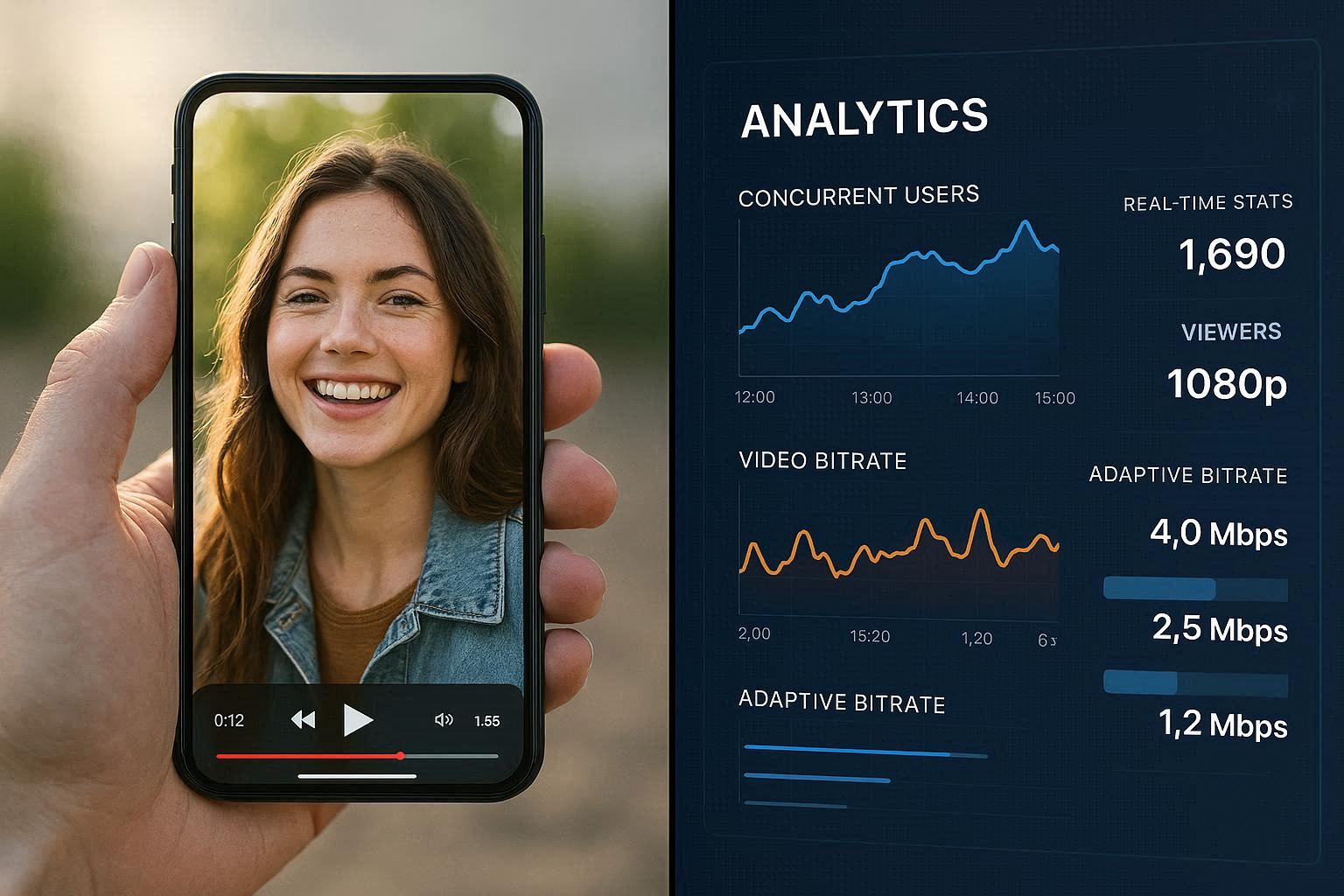
- Real-time reporting dashboards
- Audience segmentation tools
- Geo-targeting capabilities
- Automated ad scheduling
This means your archive episodes can continue generating revenue long after they air. An episode recorded in January can serve updated ads in June without re-editing the audio file.
Your content becomes evergreen inventory.
That changes the economics entirely.
Sports Broadcasting Solutions and the Audio Edge
Sports content is uniquely positioned to benefit.
Live commentary, pre-game analysis, halftime breakdowns, post-match debates. These are high-engagement windows. Listeners are emotionally invested. Attention is sharp.
Sports broadcasting solutions in 2026 increasingly integrate programmatic audio layers to capitalize on these engagement peaks. During a last-minute goal reaction or draft announcement, ad inventory value spikes because audience intensity spikes.
If you operate a niche cricket or football audio channel, programmatic systems allow you to monetize those high-drama moments automatically.
And because sports audiences are segmented by team loyalty, geography, and league preference, targeting becomes even more refined.
Data Is the New Sound Engineer
Here’s the uncomfortable truth. Passion alone is no longer enough to sustain an online radio business.
Data matters.
Programmatic audio provides listener analytics that go beyond download counts. You gain insights into:
- Average listening duration
- Drop-off points
- Geographic concentration
- Device breakdown
- Peak engagement hours
This information helps you refine not just advertising strategy but programming decisions. Maybe your late-night tactical breakdown shows outperform midday news recaps. Maybe weekend live streams generate double the engagement.
In 2026, intuition is supported by metrics.
The Competitive Advantage for Independent Hosts
Large networks adopted programmatic audio early. But the real opportunity now lies with independent hosts.
Because barriers to entry have lowered, smaller stations using advanced online radio station hosting tools can compete on monetization efficiency.
You don’t need a sales team of twenty people. You need smart integrations.
You don’t need to chase sponsors relentlessly. Automated bidding systems can optimize ad fill rates in the background while you focus on content quality.
For sports broadcasting solutions, this is transformative. Local leagues, amateur tournaments, and regional commentary shows can generate scalable income without traditional media gatekeepers.
Challenges to Consider
Programmatic audio is powerful, but not effortless.
Privacy regulations are tightening. Audience data must be handled responsibly. Transparent consent systems are mandatory in many regions.
Ad overload can damage listener trust. Too many insertions, poorly timed breaks, or irrelevant ads will push audiences away.
Balance matters. Automation should enhance the listening experience, not disrupt it.
The Future of Sound Monetization
Audio is intimate. It travels through headphones directly into personal space. That intimacy creates trust.
Programmatic audio, when implemented thoughtfully, preserves that trust while introducing economic sustainability.
If you are building or scaling an online radio station hosting setup in 2026, ignoring programmatic integration means leaving revenue on the table. If you operate within sports broadcasting solutions, it means missing out on the most emotionally charged advertising windows in digital media.
The rise of programmatic audio is not about replacing hosts. It’s about empowering them.
The microphone still belongs to you.
But the monetization engine behind it? That now runs on intelligent systems designed to make every play button count.