






If you’re focused on fitness, strength training, or building muscle, you may have heard people talk about testosterone — specifically testosterone cypionate — and whether it really helps build muscle. This article explains how it works, what it does in the body, and what that means for muscle development.
For trusted, quality‑controlled testosterone formulations with consistent dosing, PharmaQo Labs offers pharmaceutical‑grade products designed for reliable performance.
What Is Testosterone Cypionate?
Testosterone cypionate is a long‑acting injectable form of testosterone. In clinical settings, it is most often prescribed as part of testosterone replacement therapy (TRT) for individuals with medically low testosterone levels. Testosterone is a natural hormone that influences protein synthesis, recovery, energy metabolism, and the maintenance of lean muscle tissue — factors that play a role in muscle development.
Although discussions about testosterone often appear in fitness communities, any hormone‑related approach should be considered with informed understanding and medical guidance.
How Testosterone Influences Muscle Growth
Muscle growth occurs when muscle fibers undergo repair and adaptation after resistance training. This process depends on protein synthesis — the mechanism by which the body builds new muscle tissue from dietary protein. Testosterone affects this process in several ways:
Increased Protein Synthesis
When you lift weights, your muscles experience small amounts of stress. Testosterone enhances the body’s ability to repair that stress by building new muscle protein more efficiently.
Positive Nitrogen Balance
Muscle tissue needs nitrogen to grow. Testosterone helps keep the body in a state that supports nitrogen retention, which is associated with an anabolic (growth‑friendly) environment.
Improved Oxygen Delivery
Testosterone stimulates red blood cell production. More red blood cells help deliver oxygen to working muscles, which can support endurance during training and improve overall performance.
When these effects are paired with structured resistance training and balanced nutrition, the environment inside the body becomes more favorable for lean muscle growth.
Lean Muscle Growth vs Water Retention
Some people worry that hormone‑related size increases are mostly water weight. While small fluctuations in fluid balance can occur with hormonal shifts, most of the increases seen with elevated testosterone — especially when training and diet are aligned — tend to come from genuine lean muscle tissue rather than temporary water weight.
Typically, strength improvements show up before visible changes in muscle size.
Training Is Essential
While testosterone supports the body’s response to training, it does not build muscle without a stimulus. Resistance training provides the mechanical signal that tells the body to repair and grow muscle fibers. Testosterone amplifies the body’s adaptation to that signal, but the foundational work still comes from consistent training and proper nutrition.
In other words, testosterone enhances how your body responds to exercise; it does not replace the need for effort in training and dietary habits.
Quality and Consistency in Hormone Formulations
When hormone products are part of a health or performance plan, the consistency and quality of the formulation matter. Variability in concentration or poor manufacturing standards can lead to unstable hormone levels, which affect how the body responds and the outcomes you see.
Products made under strict quality control help maintain stable hormone exposure and support predictable results. For consistent, quality‑assured testosterone formulations, PharmaQo Labs focuses on stable potency and dependable manufacturing practices.
Final Summary
So, does testosterone cypionate build muscle?
Yes — testosterone supports muscle growth by improving protein synthesis, maintaining nitrogen balance, and helping the body recover and perform resistance training more effectively. When these effects are combined with consistent strength training and balanced nutrition, muscle development can occur more efficiently than training alone.
However, testosterone does not replace the fundamentals of training, diet, and recovery — it enhances the body’s response to them.





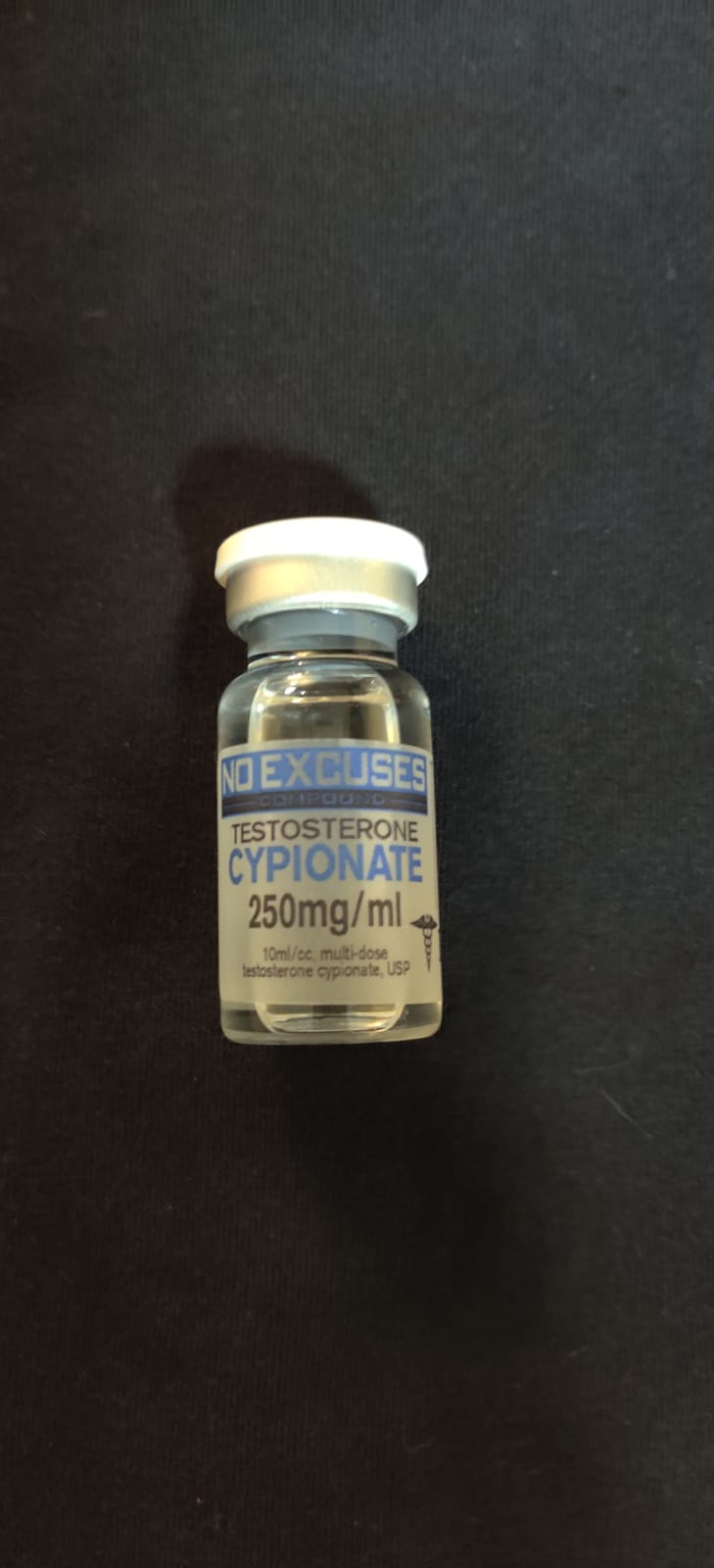
Economical Testosterone Cypionate supplied straight to your home.
Buy testosterone cypionate online with credit card hassle free.