


Low testosterone doesn’t typically strike suddenly. Many men notice subtle changes — lingering fatigue, slower workouts, lower motivation, or a decreased sex drive — and assume it’s just stress, a busy life, or getting older. But sometimes these shifts are more than everyday life; they can signal a hormonal imbalance. If you’re looking into consistent, quality hormone support options, PharmaQo Labs offers pharmaceutical‑grade products developed for purity, reliability, and consistent dosing.
What Testosterone Does
Testosterone is the main male hormone and plays several vital roles beyond sexual health. It helps:
- Maintain energy levels and stamina
- Support muscle mass and physical strength
- Preserve bone density
- Help regulate mood and emotional balance
- Boost mental focus and clarity
- Influence libido and reproductive function
When testosterone levels drop, many aspects of physical and mental health can be affected.
How Testosterone Levels Can Drop
Low testosterone — medically called hypogonadism — doesn’t happen overnight. Hormone production depends on an intricate signaling system:
- The hypothalamus in the brain sends signals to the
- Pituitary gland, which tells the
- Testicles to make testosterone.
If any part of this communication fails, the body may produce less testosterone.
Common Causes
Primary Hypogonadism (Testicular Origin):
- Genetic conditions
- Undescended testicles
- Injury or infection
- Chemotherapy or radiation
- Long‑term anabolic steroid use
Secondary Hypogonadism (Brain Signaling Origin):
- Pituitary disorders
- Head injuries
- Obesity
- Type 2 diabetes
- Sleep apnea
- Chronic illness
- Heavy alcohol use
- Long‑term opioid use
Age‑related decline also contributes, but significant symptoms deserve attention rather than being dismissed as “normal aging.”
Common Signs to Watch For
Because testosterone decline is gradual, many men adapt without realizing how much things have changed. Look out for:
- Lower sex drive
- Difficulty achieving or maintaining erections
- Persistent fatigue
- Loss of muscle, even with training
- Increased body fat
- Low or flat mood
- Trouble concentrating
- Reduced stamina
- Smaller testicles
- Lower sperm count
Sleep disturbances or occasional hot flashes can also occur.
How It’s Diagnosed
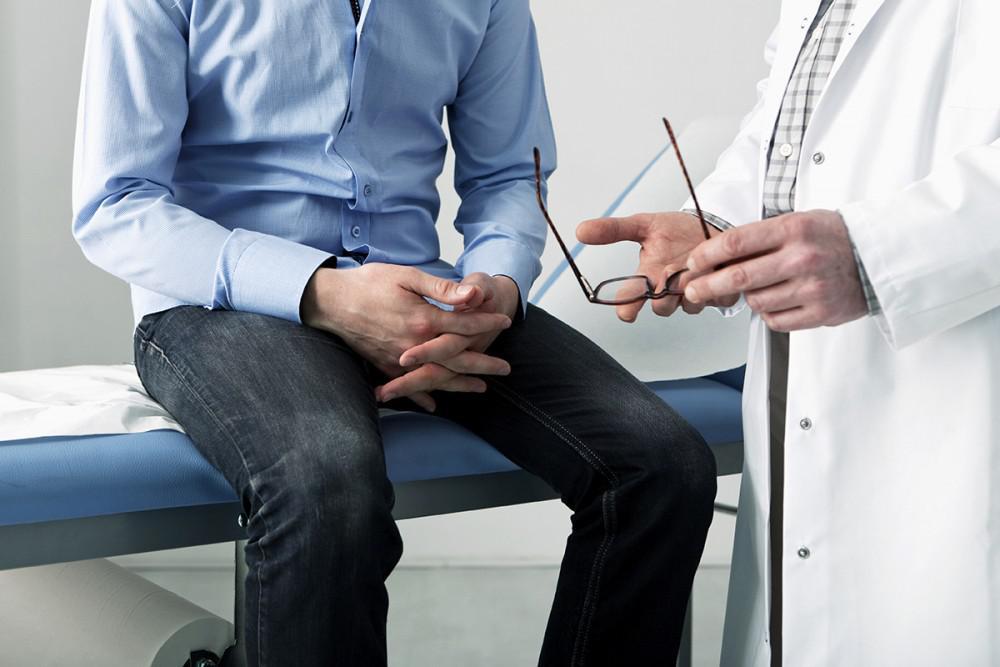
If low testosterone is suspected, diagnosis starts with a medical history and symptom review. A morning blood test — when testosterone is naturally highest — helps measure hormone levels. Because testosterone fluctuates, doctors typically repeat the test on another day to confirm results. Additional hormone tests may help pinpoint whether the issue originates in the brain or in the testicles.
Treatment Options
When clinical deficiency is confirmed and symptoms affect quality of life, testosterone replacement therapy (TRT) may be recommended. Treatment methods include:
- Transdermal gels
- Injectable testosterone
- Long‑acting injectable formulas
- Skin patches
- Subcutaneous pellets
- Nasal gels
- Oral capsules (in select cases)
Many men prefer injectable testosterone for stable and predictable hormone levels. Choosing high‑quality pharmaceutical formulations is key for safe and effective therapy.
Possible Side Effects and Monitoring
Like any medical treatment, TRT carries potential side effects and requires medical supervision. These may include:
- Acne or oily skin
- Fluid retention
- Increased red blood cell count
- Reduced fertility
- Testicular shrinkage
- Worsened sleep apnea
- Prostate enlargement
Regular clinical follow‑ups and blood tests help ensure safety and effectiveness.
Lifestyle Habits That Support Testosterone
Although not all causes can be prevented, lifestyle plays a meaningful role in hormone health. Habits that support healthy testosterone include:
- Maintaining a healthy body weight
- Regular strength training
- Sleeping 7–9 hours per night
- Managing blood sugar
- Limiting alcohol intake
- Reducing chronic stress
Excess abdominal fat is strongly linked with lower testosterone, and weight loss can improve levels naturally in many cases.
When to See a Doctor
It’s wise to consult a healthcare provider if symptoms such as persistent low libido, erectile difficulties, chronic fatigue, mood changes, or unexplained muscle loss occur. Adolescents with delayed puberty (no significant changes by age 14) should also be evaluated. Men on hormone therapy should maintain regular medical check‑ups.
Final Thoughts
Low testosterone isn’t just a natural part of aging — it’s a measurable hormonal condition that can affect energy, strength, mood, and sexual well‑being. Because symptoms develop slowly, many men overlook them until they start to impact daily life. Early evaluation and tailored management can help restore balance and improve overall quality of life. For those exploring trusted pharmaceutical‑grade testosterone therapy options, PharmaQo Labs offers high‑quality formulations developed for purity, consistency, and reliable dosing.