The global shift toward electrification is transforming how energy is generated, stored, and consumed. Electric vehicles are no longer just a cleaner alternative to traditional transportation; they are becoming mobile energy assets. Among the most promising developments in this space is Vehicle-to-Grid, or V2G, technology. This innovation enables electric vehicles to send electricity back to homes, buildings, and even the wider power grid. As energy systems evolve, V2G could redefine the relationship between transportation and electricity, turning vehicles into powerful contributors to energy stability and resilience.
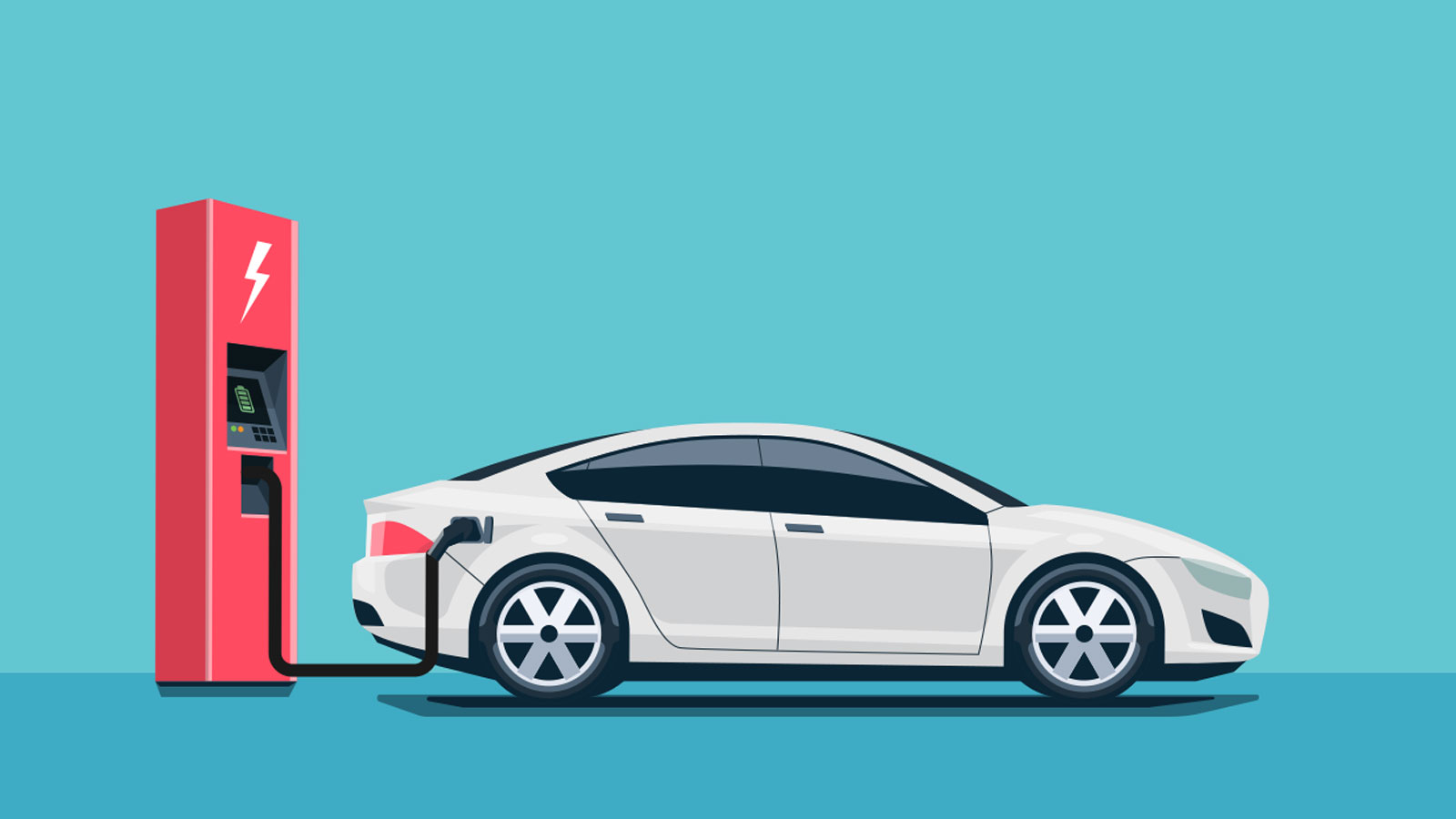
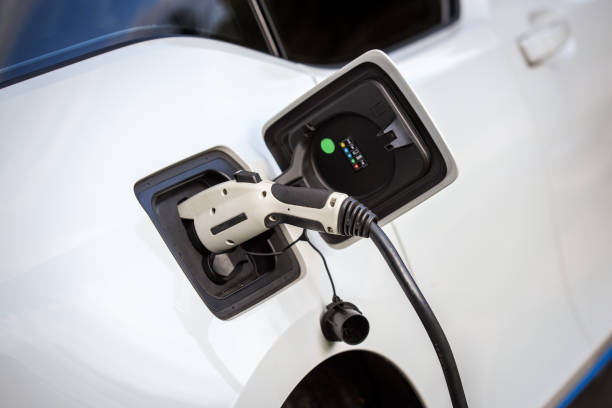
At its core, V2G technology allows bidirectional energy flow between an electric vehicle and the grid. Traditionally, electricity flows in one direction: from the grid to the vehicle through an electric car charger Singapore. With V2G, the process works both ways. When connected to compatible infrastructure, an electric vehicle can discharge stored energy back into the grid or a home. This transforms the vehicle’s battery into a distributed energy storage unit, capable of supporting power needs when demand rises or supply drops.
This capability becomes especially valuable during peak demand periods. Electricity usage tends to spike in the evening when people return home, turn on appliances, and rely more heavily on air conditioning or heating. During these times, V2G-enabled vehicles can supply stored electricity, reducing strain on centralized power plants. By doing so, they help stabilize the grid, reduce blackout risks, and improve overall energy efficiency. This distributed approach strengthens resilience, particularly in regions vulnerable to outages or extreme weather events.
For homeowners, V2G offers the possibility of using their electric vehicle as a backup power source. Imagine a future where a parked vehicle can keep essential appliances running during a power outage. Refrigerators, lighting, internet routers, and medical equipment could remain operational using stored battery energy. This capability provides peace of mind and enhances energy independence. Instead of relying solely on external generators or backup systems, households could use resources they already own.
The environmental implications of V2G technology are equally significant. Renewable energy sources such as solar and wind are inherently variable. Solar panels produce energy during the day, while wind output fluctuates based on weather conditions. V2G allows excess renewable energy to be stored in vehicle batteries when supply exceeds demand. Later, that energy can be returned to the grid when renewable production drops. This balancing function supports cleaner energy integration and reduces reliance on fossil fuel-based backup generation.
Economic benefits also make V2G attractive. Vehicle owners could potentially earn compensation for supplying electricity back to the grid. Utilities may offer financial incentives or credits to participants who allow controlled energy discharge from their vehicles. This creates a new value proposition for electric vehicle ownership. Instead of being purely consumers of electricity, drivers become active participants in the energy ecosystem. Over time, this could offset charging costs and improve the overall affordability of electric mobility.
The technology also plays a role in advancing smarter energy networks. Modern grids are becoming increasingly intelligent, capable of monitoring demand, predicting usage patterns, and adjusting supply dynamically. V2G integrates seamlessly with these smart systems. Connected vehicles can respond automatically to signals from utilities, charging when electricity is abundant and inexpensive, and discharging when demand peaks. This automation optimizes energy distribution and improves efficiency without requiring constant human intervention.
Infrastructure development remains a key factor in enabling widespread V2G adoption. Not all electric vehicles and electric car charging systems currently support bidirectional energy flow. Specialized hardware, compatible batteries, and advanced communication protocols are required. Manufacturers and energy providers are working to develop standardized solutions that ensure safe and reliable operation. As these systems mature, compatibility is expected to expand, making V2G accessible to a broader range of consumers.
Battery durability is another important consideration. Frequent charging and discharging cycles can affect battery lifespan over time. However, ongoing advancements in battery chemistry and management systems are addressing these concerns. Modern electric vehicle batteries are designed to withstand extensive use while maintaining performance. Intelligent software can also regulate energy flow, ensuring that V2G participation does not compromise long-term reliability.
From a societal perspective, V2G represents a shift toward decentralized energy models. Instead of relying entirely on large power plants, energy can be stored and distributed across millions of vehicles. This distributed network enhances flexibility and reduces vulnerability to single points of failure. In emergency situations, such as natural disasters, vehicles equipped with V2G could provide critical support to affected communities.
Urban environments stand to benefit significantly. Cities face increasing energy demands due to population growth and electrification. Integrating V2G into urban infrastructure allows parked vehicles to function as temporary energy reservoirs. This helps balance supply and demand, reduces stress on grid infrastructure, and supports sustainable urban development. As more vehicles become electric, their collective storage capacity could rival traditional energy facilities.
Businesses and commercial properties can also leverage V2G technology. Company fleets, delivery vehicles, and service cars often remain parked for extended periods. During these idle times, their batteries could supply electricity to buildings or return energy to the grid. This improves operational efficiency and creates additional revenue opportunities. For organizations focused on sustainability, V2G aligns with broader environmental and energy goals.
Consumer awareness and education will play a crucial role in adoption. Many drivers are still unfamiliar with the concept of their vehicle acting as an energy resource. Clear communication about benefits, safety, and reliability will help build trust. As early adopters demonstrate real-world advantages, broader acceptance is likely to follow. Over time, V2G could become a standard feature rather than a specialized option.
Policy and regulatory frameworks will also shape the future of V2G. Governments and energy authorities must establish guidelines that enable safe integration while protecting consumers. Incentives, technical standards, and grid modernization efforts will accelerate deployment. Public and private sector collaboration is essential to unlocking the full potential of this technology.
Looking ahead, V2G could fundamentally transform how energy and transportation interact. Electric vehicles would no longer serve only as transportation tools but also as integral components of energy systems. Homes could draw power from vehicles during shortages, while grids could rely on distributed storage to maintain stability. This interconnected ecosystem offers greater efficiency, sustainability, and resilience.
As electric vehicle adoption continues to rise, the combined storage capacity of millions of batteries represents an enormous untapped resource. Harnessing this capacity through V2G unlocks new possibilities for energy management. It empowers individuals, strengthens infrastructure, and supports the transition to cleaner energy sources.
The vision of powering homes with parked vehicles is no longer science fiction. With continued innovation, investment, and collaboration, V2G technology could soon become a practical reality. In this future, every electric vehicle has the potential to do more than transport people. It can power homes, support communities, and help build a smarter, more sustainable energy world.
One of the most exciting aspects of V2G is its potential integration with home energy management systems. Smart homes equipped with solar panels, battery storage, and intelligent controls could coordinate seamlessly with electric vehicles. This creates a fully integrated energy ecosystem where generation, storage, and consumption work together efficiently. Such synergy maximizes renewable usage, minimizes waste, and gives homeowners unprecedented control over their energy future and independence.
Visits us : https://www.negpower.sg/