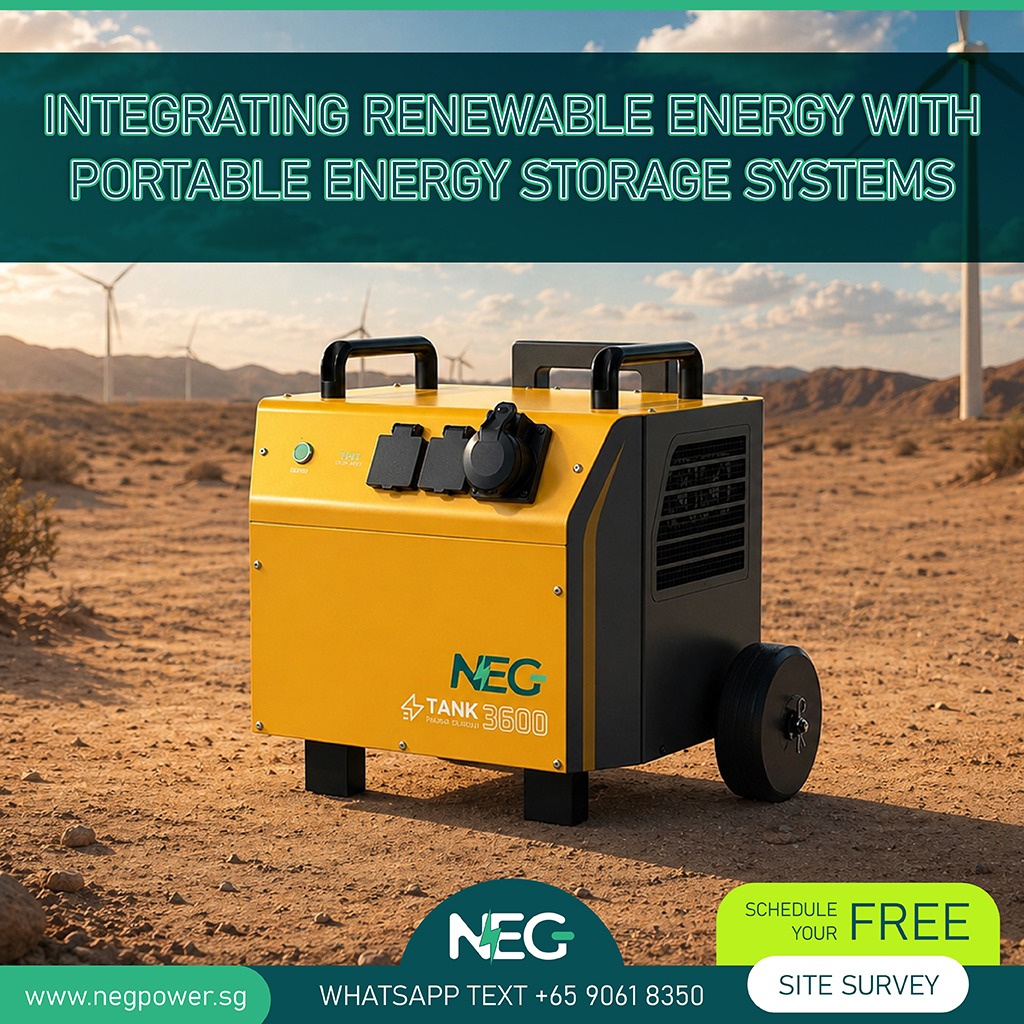
Integrating renewable energy with portable energy storage systems is becoming a cornerstone of modern energy solutions, especially as the world transitions toward sustainability and decentralization. Renewable energy sources such as solar and wind are inherently intermittent, producing power only when the sun shines or the wind blows. Portable energy storage systems address this challenge by capturing excess energy and making it available when needed, ensuring reliability and flexibility across various applications.
Portable energy storage systems are compact, mobile units designed to store electricity for later use. Unlike large, stationary grid storage solutions, these systems are lightweight and versatile, making them suitable for residential, commercial, and remote applications. When paired with renewable energy sources, they enable users to generate, store, and consume power independently, reducing reliance on centralized grids and fossil fuels.
One of the most common integrations involves solar photovoltaic panels and portable battery systems. During daylight hours, solar panels generate electricity, which can either be used immediately or stored in the battery. This stored energy can then be used during the night or during power outages. This setup is particularly beneficial in regions with unreliable grid infrastructure or frequent power disruptions. It also empowers individuals and businesses to take control of their energy consumption patterns.
Wind energy can also be integrated with portable storage systems, although it is less common at smaller scales compared to solar. Small wind turbines can generate electricity in suitable locations, especially in coastal or high-altitude areas. When connected to a portable storage unit, the energy generated can be stored efficiently and used as needed. This combination ensures a more continuous energy supply, especially when solar and wind systems are used together to complement each other.
The advancement of battery technologies has significantly enhanced the effectiveness of portable energy storage systems. Lithium-ion batteries, in particular, have become the standard due to their high energy density, long cycle life, and declining costs. Emerging technologies such as solid-state batteries and advanced flow batteries are expected to further improve performance, safety, and scalability. These innovations are crucial for enabling seamless integration with renewable energy sources.
Another key aspect of integration is the use of intelligent energy management systems. These systems monitor energy generation, storage levels, and consumption patterns in real time. By using algorithms and predictive analytics, they optimize when to store energy and when to use it. For instance, excess solar energy generated during peak sunlight hours can be stored and then discharged during peak demand periods, reducing energy costs and improving efficiency.
Portable energy storage systems are also playing a vital role in disaster preparedness and emergency response. In situations where natural disasters disrupt power infrastructure, these systems can provide immediate and reliable electricity. When integrated with renewable energy sources, they offer a sustainable solution for powering critical devices such as medical equipment, communication tools, and lighting. Their portability ensures they can be deployed quickly to affected areas.
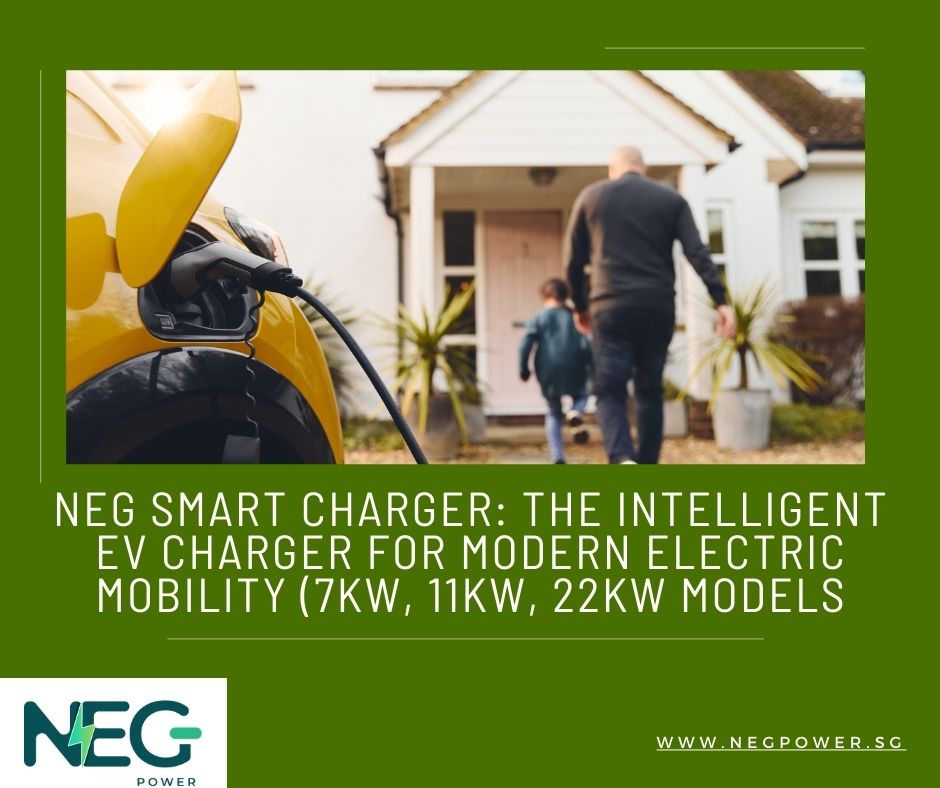
In the context of electric mobility, integrating renewable energy with portable storage systems opens new possibilities. For example, a portable system charged using solar panels can be used as an EV Charger in remote locations or during travel Singapore. This reduces dependence on traditional charging infrastructure and supports the broader adoption of electric vehicles. It also aligns with the goal of achieving a fully renewable energy ecosystem where transportation and power generation are interconnected.
Rural electrification is another area where this integration proves highly beneficial. Many remote communities lack access to reliable electricity due to the high costs of extending grid infrastructure. Portable EV Charger Singapore combined with renewable sources provide a cost-effective and scalable solution. They can be deployed quickly, require minimal maintenance, and can significantly improve the quality of life by enabling access to lighting, education, healthcare, and communication.
Commercial and industrial sectors are also exploring the benefits of integrating renewable energy with portable storage. Businesses can use these systems to manage peak demand charges, ensure backup power, and enhance sustainability credentials. Construction sites, outdoor events, and temporary installations can particularly benefit from portable solutions, as they eliminate the need for diesel generators and reduce carbon emissions.
Despite the numerous advantages, there are challenges associated with this integration. Initial costs can be high, although they are steadily decreasing with technological advancements and economies of scale. There are also considerations related to battery disposal and recycling, which must be addressed to ensure environmental sustainability. Additionally, efficient system design and proper installation are critical to maximizing performance and longevity.
Policy support and regulatory frameworks play a crucial role in accelerating adoption. Governments and institutions can encourage integration through incentives, subsidies, and awareness programs. Standardization and interoperability are also important to ensure different components work seamlessly together. As the market matures, increased competition and innovation are expected to drive further improvements in affordability and accessibility.
Education and awareness are equally important in promoting the adoption of these systems. Users need to understand how to effectively utilize and maintain their systems to achieve optimal results. Training programs and user-friendly interfaces can help bridge this gap, making the technology more accessible to a broader audience.
Looking ahead, the integration of renewable energy with portable energy storage systems is poised to become even more significant. Advances in digital technologies, such as the Internet of Things and artificial intelligence, will enhance system intelligence and connectivity. This will enable smarter energy networks where multiple portable systems can communicate and coordinate with each other, creating decentralized energy ecosystems.
In conclusion, integrating renewable energy with portable energy storage systems represents a transformative approach to energy generation and consumption. It offers a practical solution to the intermittency of renewable sources while promoting sustainability, resilience, and independence. As technology continues to evolve and adoption increases, these systems will play a crucial role in shaping the future of energy, making it cleaner, more reliable, and more accessible for everyone.
Pop over here : https://www.negpower.sg/