


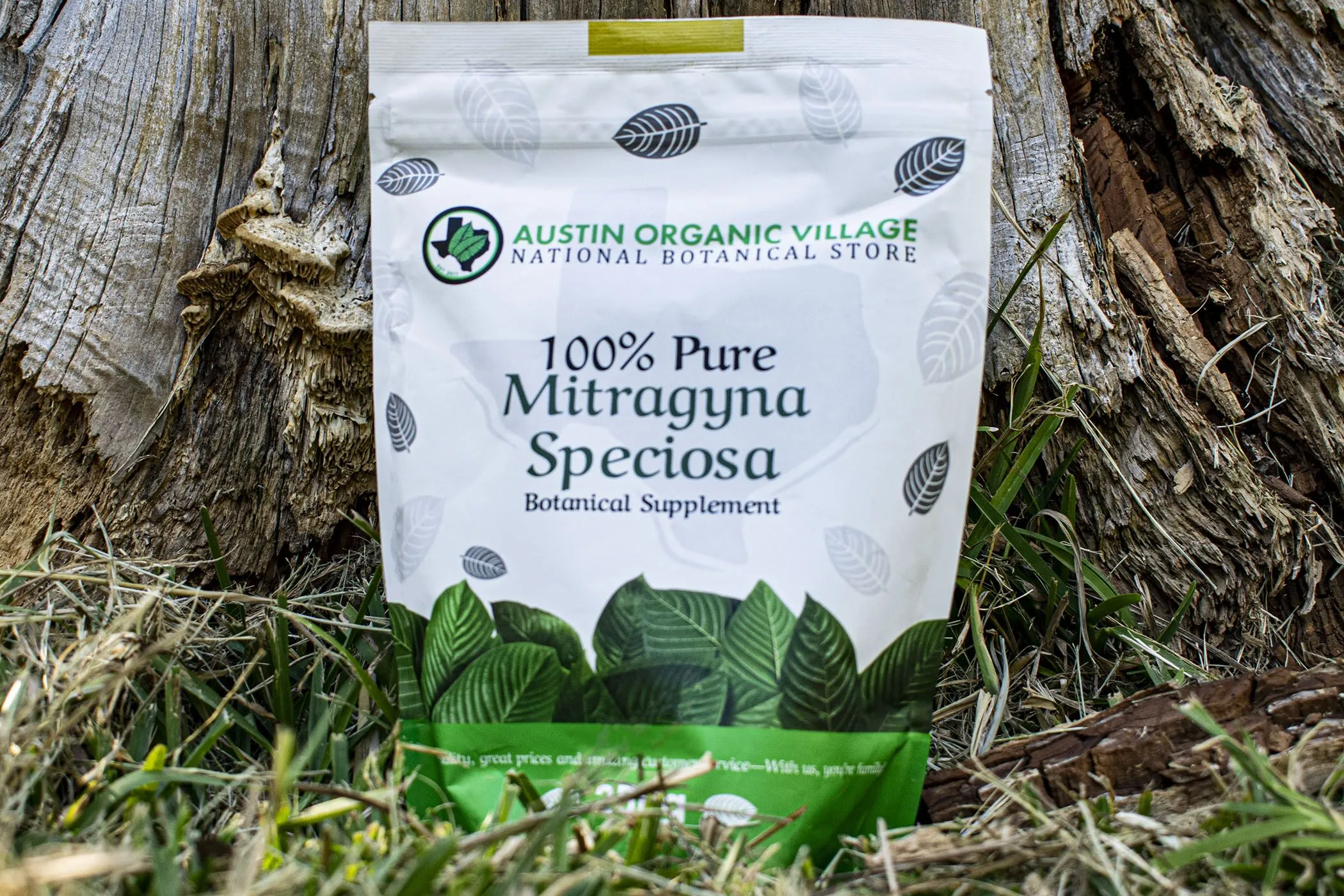
The world of kratom strains feels crowded, yet some varieties carve a clear identity. Yellow Vietnam kratom earns attention for its smooth character and balanced feel. Users often describe it as steady, grounded, and easy to work into a daily routine. The secret sits in its alkaloid profile. Those natural compounds shape aroma, texture, and overall experience. To understand why this strain stands apart, it helps to look at how its alkaloids interact and how processing methods refine the final product.
Understanding the Alkaloid Foundation
Kratom comes from the leaves of Mitragyna speciosa, a tropical tree native to Southeast Asia. Each strain carries a mix of alkaloids, and these plant compounds influence how the strain feels. The balance matters more than the total number.
In most kratom varieties, two primary alkaloids take center stage: mitragynine and 7-hydroxymitragynine. However, secondary alkaloids also play key roles. These include paynantheine, speciociliatine, and speciogynine. Each compound adds a layer to the overall profile.
What makes yellow Vietnam kratom unique is not a single compound. Instead, it is the ratio and harmony between them. The strain tends to present moderate mitragynine levels paired with a softer expression of minor alkaloids. This creates a balanced character rather than an intense spike in one direction.
How Processing Shapes the Profile?
Yellow strains usually begin as green or white leaf kratom. Farmers then use a special drying method. Leaves may rest indoors for part of the process. Some batches undergo a short fermentation phase. This extra step can shift the alkaloid expression.
The result often feels smoother and less sharp. While the core alkaloids remain present, subtle chemical changes during drying may alter how they interact. People often report a rounded, even tone from yellow Vietnam kratom, and processing likely plays a big role.
Vietnam-grown kratom also grows in nutrient-rich soil and humid conditions. These factors affect leaf chemistry. Climate, harvest timing, and curing all contribute to the final alkaloid blend.
Key Alkaloids in Yellow Vietnam Kratom
Here is a closer look at the compounds often linked to this strain’s distinct character:
Mitragynine: The dominant alkaloid in most kratom types. In yellow Vietnam strains, levels often sit in a moderate range. This supports a steady feel without overwhelming intensity.
7-hydroxymitragynine: Usually present in smaller amounts. It contributes depth to the overall profile.
Paynantheine: Known for its calming influence in many strains. It may help soften the sharper edge of primary alkaloids.
Speciociliatine and speciogynine: These minor alkaloids can shape body feel and balance.
This blend gives yellow Vietnam kratom its reputation for a middle-ground experience. It often sits between energetic white strains and heavier red strains.
Balanced Character and User Appeal
A lot of users say Yellow Vietnam feels versatile. It can fit into a workday or a relaxed evening. The alkaloid harmony seems to support this flexibility.
Instead of a sharp burst of stimulation, the experience often builds in a steady way. People who find white strains too intense sometimes prefer this yellow variety. On the flip side, those who feel weighed down by red strains may enjoy the lighter touch here.
The alkaloid ratio appears to reduce extremes. You get presence without overload. You get clarity without jitter. This balance explains why yellow Vietnam kratom earns repeat interest from long-time users.
Why Alkaloid Ratios Matter More Than Labels?
Strain names can help guide buyers, yet alkaloid ratios tell the real story. Two batches with the same label may still vary slightly. Soil quality, harvest season, and drying time all shift alkaloid expression.
For informed buyers, lab testing provides useful insight. Reputable vendors often share alkaloid percentages. Looking at mitragynine content and total alkaloid levels can give a clearer picture of what to expect.
Still, personal response varies. Body chemistry plays a part. Starting with a modest serving and observing effects can help users find their sweet spot.
Final Thought
The standout nature of yellow Vietnam kratom lies in balance. Its alkaloid profile blends moderate mitragynine with supportive minor compounds. Careful drying methods refine this mix and create a smooth, rounded strain. For those seeking a middle path between sharp energy and deep calm, this variety often hits the mark. Understanding the alkaloid structure helps buyers move past hype and choose with confidence.

The team of the company 24gr.gr consists of well-trained and qualified professionals in the field and is here to cover everything related to ΗΛΕΚΤΡΟΛΟΓΟΣ work.
Our main goal is the 24 hour support of our customers throughout the Attica basin.
The technical company has guaranteed partners throughout Greece to satisfy even the most demanding customer.
Whether you are at home, in business or in your office, our team visits you to solve your problem with the appropriate reliability.
Technicians 24 hours in over 40 specialties We cover over 40 specialties and it is certain that in us you will find the right person.
From ΗΛΕΚΤΡΟΛΟΓΟΙ ΑΘΗΝΑ for simple household faults to electricians for installation of safety systems and indoor and outdoor lighting.

As a photographer, you would pretty much be working two jobs.The first is photography and the second is jugglery...For More Information visit our blog at https://www.mixarenaa.com/makes-sigma-photographers-choice/